
La Luna Llena y Yo by Ajeet: A Listening Guide
An Intimate Turn Toward the Lunar Feminine
Released in early 2026, La Luna Llena y Yo marks a striking departure in Ajeet's devotional catalogue. While his previous work has been firmly anchored in the Kundalini yoga tradition—Sanskrit mantras, gurmukhi chants, and the meditative architecture of kirtan—this three-track single ventures into something more intimate and culturally expansive. The Spanish title itself ("The Full Moon and I") signals a shift: this is not communal ceremony but personal pilgrimage, a conversation between the artist and the celestial feminine that governs tides both oceanic and emotional. For an artist who has built his practice on elevating collective consciousness, this feels like a moonlit walk taken alone, an exhale after years of holding sacred space for others.
Sonic Character: Minimalism Meets Devotional Stillness
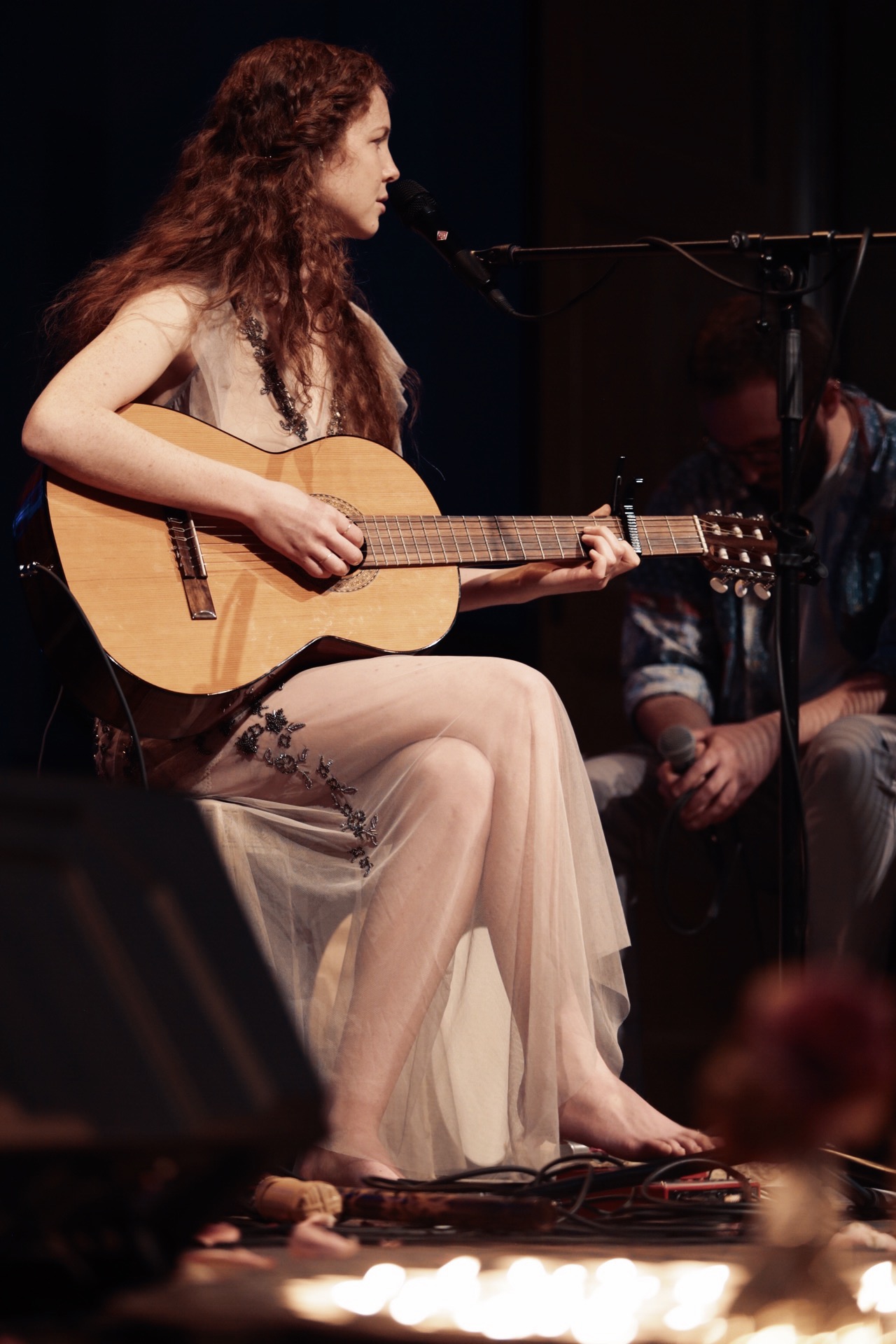
The instrumentation on La Luna Llena y Yo is spare, patient, reverent. Ajeet strips away the layers that often characterize kirtan recordings—the driving tabla, the call-and-response intensity, the gradual crescendo toward ecstatic release. What remains is gossamer-thin: fingerpicked acoustic guitar, subtle ambient washes that seem to breathe rather than play, and Ajeet's voice at its most unadorned. There's a folk simplicity here, reminiscent of late-night recordings made for no one but the moon herself.
The pacing is glacial in the best sense—each phrase given room to settle, each silence weighted with intention. The mood evokes the liminal hours between midnight and dawn, when spiritual practice becomes less about discipline and more about listening. This is not music to energize a morning sadhana but to accompany the soul's quieter reckonings. The production feels almost touchable in its intimacy, as if recorded in a single room with natural reverb and the ambient sounds of night deliberately left unedited.
Signature Moments Worth Deep Attention
With only three tracks, each piece carries significant weight in shaping the single's arc. The title track likely serves as the emotional anchor—a direct address to la luna llena, the full moon as both celestial body and archetype of receptivity, intuition, and cyclical wisdom. In Ajeet's hands, this isn't New Age abstraction but embodied relationship, the kind of devotion that acknowledges the moon as teacher and mirror.
What makes these tracks land is their refusal to perform. There's no virtuosic display, no dramatic dynamic shifts designed to impress. Instead, Ajeet offers something rarer in devotional music: genuine vulnerability. His voice doesn't soar; it confides. The melodies don't resolve neatly but linger in questioning, in longing, in the productive discomfort of not-knowing. For listeners accustomed to the certainties of traditional bhakti, this ambiguity might feel unsettling. For those dwelling in life's transitions, it will feel like companionship.
Tradition and Innovation: Beyond the Ashram Walls
La Luna Llena y Yo occupies an interesting position in the devotional landscape. It shares DNA with the ambient-devotional work of artists like Deva Premal and Mitten, but its Spanish language and folk-inflected minimalism pull from different wells—the contemplative singer-songwriter tradition, Latin American folk mysticism, even the spare beauty of Andalusian song. This is bhakti energy translated through a different cultural grammar, suggesting that devotion itself is portable, adaptable, multilingual.
By stepping outside the Sanskrit-centric frame of Kundalini kirtan, Ajeet implicitly argues for a more universal understanding of sacred sound—that the divine responds to sincerity regardless of language, that the heart's longing doesn't require traditional authorization. This won't replace his core work in the Kundalini tradition, but it expands the conversation about where devotional practice can live and who it can speak to.
Who This Album Serves
La Luna Llena y Yo lands hardest for listeners navigating transition—grief, creative drought, spiritual uncertainty, the dissolution of old identities. It's for those who've outgrown the certainties of their previous practice but haven't yet found what comes next. It's for anyone who's ever felt more companionship from moonlight than from most human company.
This is also music for women in all phases of cyclical experience, for anyone attuned to lunar rhythms and their effect on interior weather. And crucially, it's for those who find traditional kirtan too communal, too energetically demanding—the introverts who need their devotion quiet, private, and slow.
How to Listen
Wait for evening. Absolutely use headphones—this music was mixed for intimate proximity, not speakers across the room. Dim the lights or light a single candle. If you have a moon practice—tracking cycles, setting intentions by lunar phase—let this single be the soundtrack.
Don't multitask. This isn't background music for yoga asana or focused work. It's foreground music for doing nothing but feeling what arises when you finally stop. Let yourself cry if that's what comes. The full moon sees everything anyway.