
The Music of Ajeet: Sound, Sacred Texture, and Lineage
Ajeet's music occupies a peculiar crossroads—where the repetitive drone of kirtan meets the intimacy of folk songwriting, where Sanskrit mantra brushes against the vulnerable cadence of a campfire singer. His sound is quieter than most devotional music in the conscious landscape, rarely building to ecstatic crescendo. Instead, it settles into a slow, hypnotic pull, like water finding its level.
Sound and Instrumentation
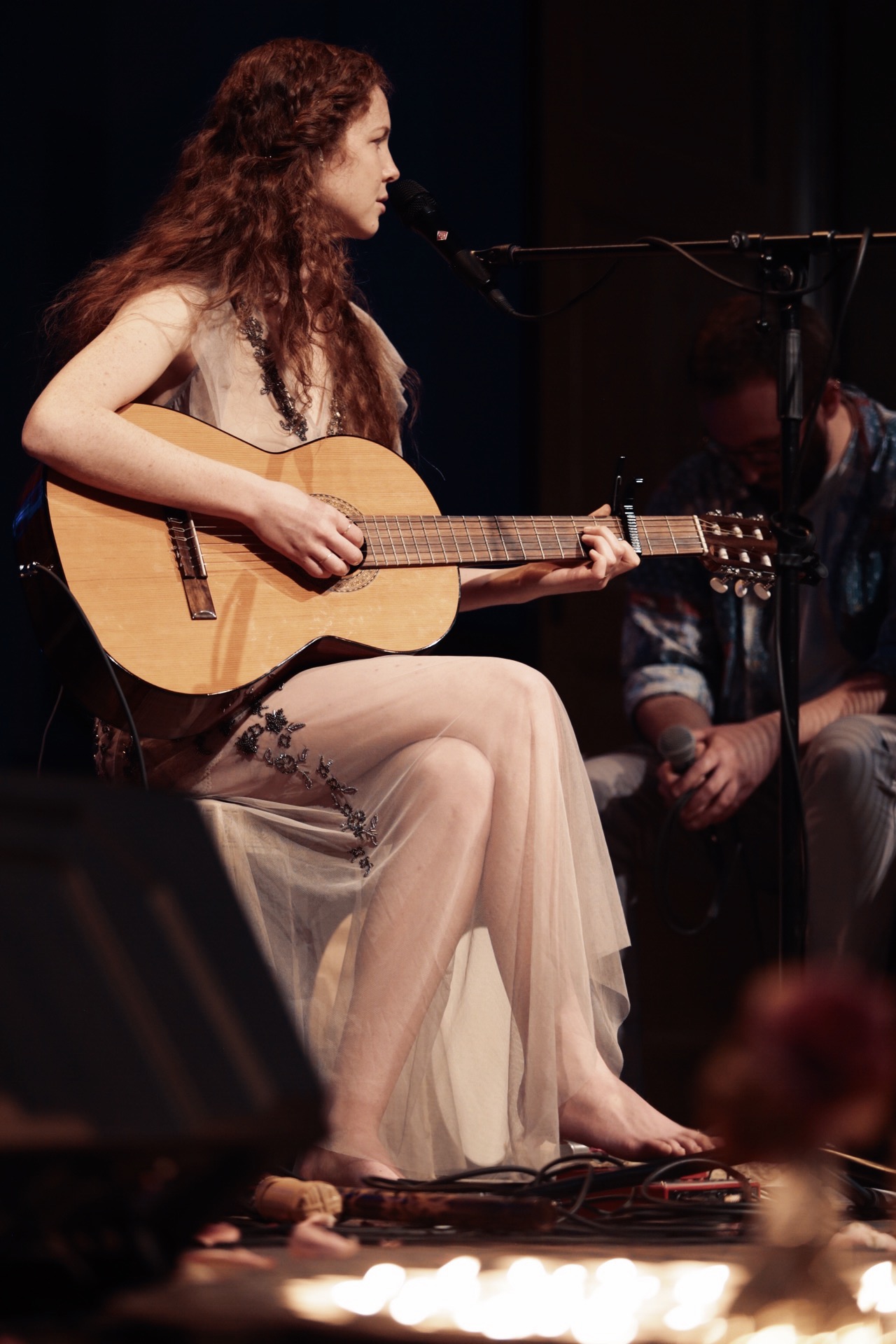
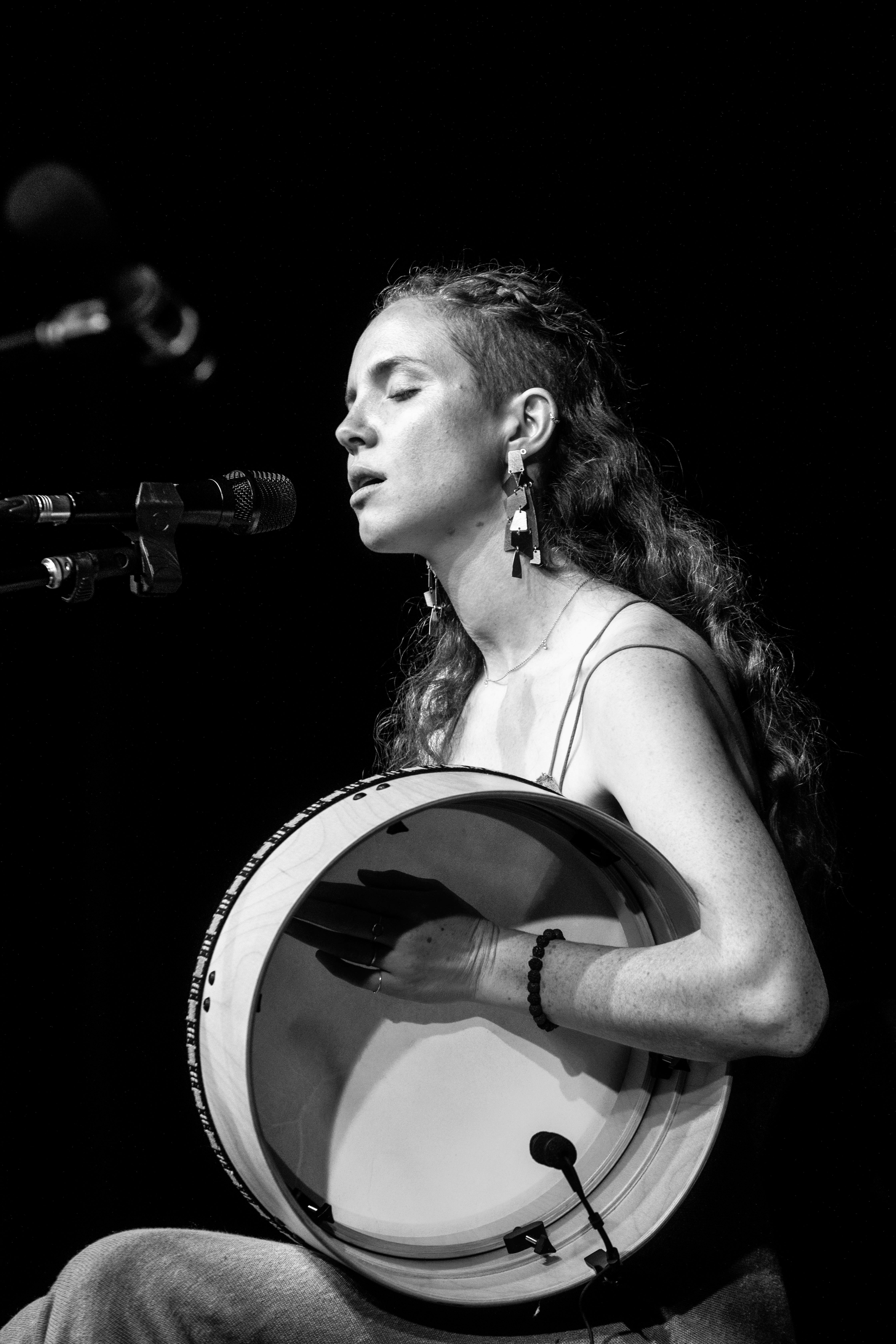
The instrumentation is sparse but carefully chosen. Acoustic guitar provides the structural backbone—fingerpicked patterns that cycle without urgency, creating space rather than filling it. Harmonium drones anchor the tonal center, offering that recognizable shimmer of Indian devotional music without dominating the mix. Percussion, when present, tends toward the minimal: frame drums, soft tablas, or even just the implied rhythm of breath between phrases.
Ajeet's voice is the defining element. It's a male tenor that hovers in a conversational register, unhurried and unadorned. There's no classical training evident in the delivery—no ornamental runs or vibrato flourishes. Instead, the vocal approach feels almost Americana in its plainness, reminiscent of folk troubadours who prize directness over display. This creates an unusual texture when paired with Sanskrit mantras: the ancient language delivered not as religious proclamation but as personal confession.
Tempos range from glacial to gently walking. Even the more rhythmically driven pieces maintain a meditative pace, resisting the accelerating energy common in traditional kirtan. The overall effect is less ceremony, more intimate vigil.
Lineage and Tradition
Ajeet works primarily within the Kundalini yoga tradition, a lineage that emphasizes the transformative power of sound current—what practitioners call naad. This places him in a devotional stream distinct from the more ecstatic bhakti kirtan popularized by artists like Krishna Das or Jai Uttal. Kundalini yoga chant tends toward precision and sustained vibration rather than emotional overflow.
The mantras themselves draw from multiple wells: Sikh banis, classical Sanskrit invocations, and Gurmukhi prayers. This reflects Kundalini yoga's syncretic nature, weaving together Sikh devotion, yogic philosophy, and tantric practice. What matters in this tradition isn't theological purity but vibrational effect—the belief that specific sounds reorganize consciousness at a subtle level.
Yet Ajeet doesn't simply transmit tradition unchanged. His folk sensibility softens the edges, making these ancient formulas accessible to Western listeners steeped in singer-songwriter culture. He translates the lineage into a vernacular that feels less like ritual and more like personal practice overheard.
Signature Contribution
Ajeet's innovation lies in this very translation. He strips Kundalini mantra of its more austere presentation, removing the gap between "sacred music" and "songs you might play while making tea." The production values are warm and organic, favoring natural room reverb over studio gloss. Vocals sit forward in the mix, prioritizing clarity and intimacy.
This approach makes the music remarkably portable. It works equally well in a yoga class, on a morning walk, or as background to introspective work. The mantras function less as objects of devotion and more as companionable presences—familiar voices speaking in an ancient tongue.
Collaborators and Context
While specific collaborator details remain understated in Ajeet's public presence, his work clearly resonates within the broader Kundalini yoga music community. The production aesthetic and thematic consistency suggest deep roots in that pedagogical world, where music serves the practice rather than the performance.
A First Encounter: What to Expect
Come to Ajeet expecting simplicity that gradually reveals depth. First-time listeners accustomed to the propulsive energy of traditional kirtan may find the music almost too gentle, wondering when it will "take off." It won't. That restraint is the point.
What may surprise is how easily these foreign syllables slip into your internal soundtrack. The mantras lodge themselves not through repetitive intensity but through quiet persistence, like learning a lullaby by osmosis rather than study.
Don't expect lyrical variety or narrative arc. These are devotional loops, designed for extended repetition. The experience resembles meditation more than listening to an album—you're meant to sit inside the sound rather than follow it somewhere.
Where This Sound Lives
In the wider conscious-music landscape, Ajeet occupies a gentle margin. He's more understated than the festival-circuit kirtan wallahs, more traditionally rooted than new-age ambient explorers, more devotionally focused than yoga-studio background music. His closest kin might be artists like Sirgun Kaur or Mirabai Ceiba—musicians who treat sacred sound as both inheritance and personal expression, who refuse to choose between authenticity and accessibility.
For those seeking devotional music that whispers rather than proclaims, that invites rather than overwhelms, Ajeet offers a particular kind of companionship: steady, unhurried, present.