
Heartbeat by Ajeet: A Listening Guide
Where This Release Sits
Heartbeat arrives in December 2025 as a compact three-track single that distills Ajeet's devotional practice into its most concentrated form. For an artist whose career has been built on creating transformative sonic experiences rooted in Kundalini yoga and sacred chant, this release represents a crystallization rather than an expansion—a focused offering that strips away excess to reveal the essential pulse beneath his larger body of work. It's the kind of release that suggests confidence: after years of building community through kirtan and devotional gatherings, Ajeet trusts that three carefully crafted pieces can carry the full weight of his spiritual and musical vision.
This isn't an album designed to showcase range or ambition in the conventional sense. Instead, it functions as a portal—a deliberate entry point or touchstone that captures the heartbeat (literally and figuratively) of what makes Ajeet's work resonate. For longtime followers, it might serve as a reminder of first principles. For newcomers, it's an invitation that doesn't demand hours of commitment but offers depths that reward repeated listening.
Sonic Character
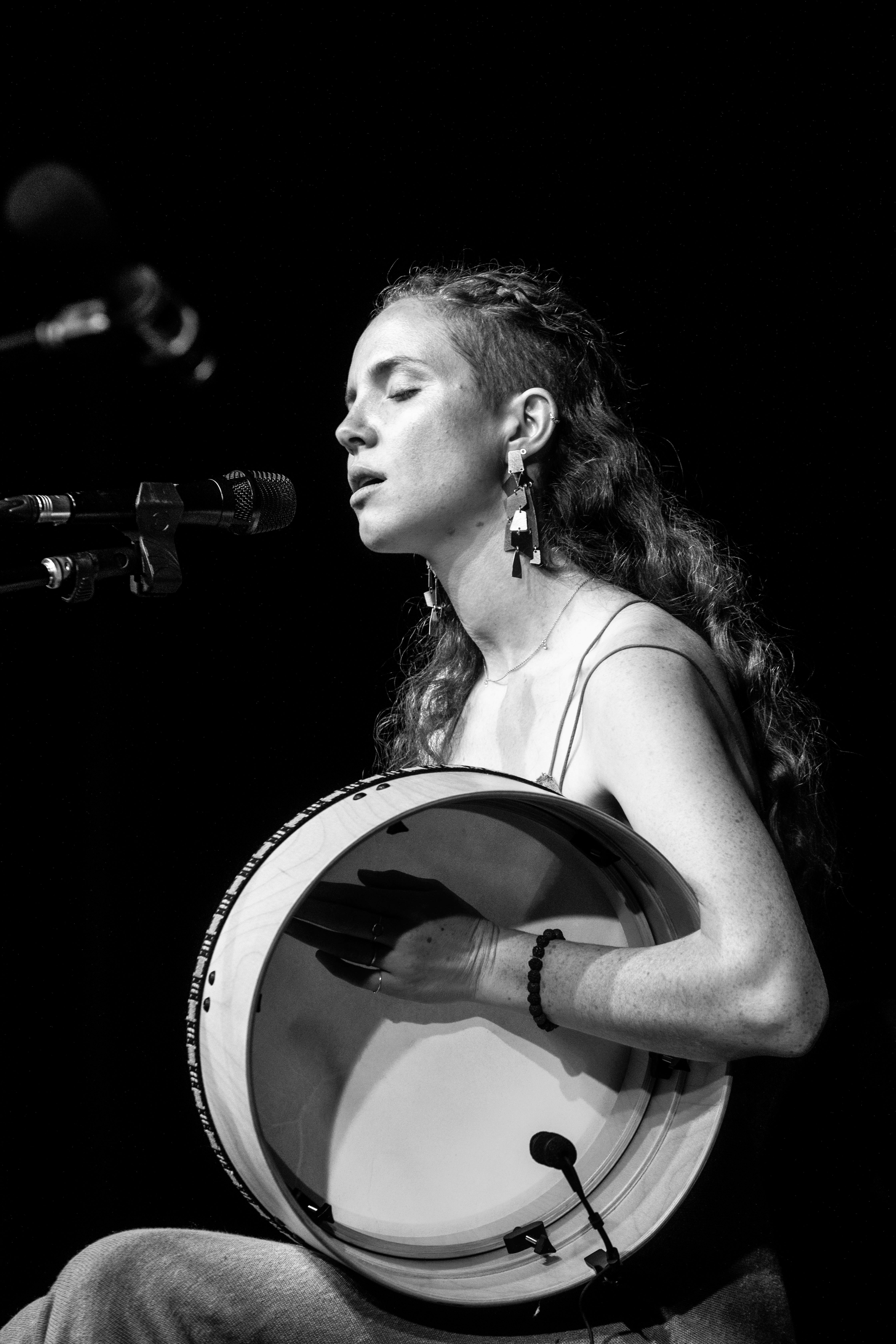
The sonic world of Heartbeat lives at the intersection of devotional minimalism and ambient warmth. Drawing from Ajeet's Kundalini yoga foundations, the instrumentation favors space over density—allowing each element room to breathe and reverberate. Expect acoustic textures: the resonance of harmonium, the subtle drone work that characterizes much kirtan music, and percussion that suggests rhythm without insisting on it. The pacing is deliberate, almost ritualistic, inviting listeners to slow their internal tempo to match the music's unhurried pulse.
Ajeet's voice carries the multicultural influences of his upbringing—trained in sacred chant but informed by folk traditions that value storytelling and emotional directness. There's no showmanship here, no vocal acrobatics designed to impress. Instead, his delivery feels like an offering, each phrase weighted with intention. The mood throughout is contemplative without being somber, meditative without drifting into background ambience. This is music that asks for your attention even as it holds you gently.
The production maintains clarity while preserving intimacy, as if you're sitting close enough to hear breath between phrases, the creak of a finger shifting on a string. It's the sound of music made in devotional context, where technical perfection matters less than spiritual transmission.
The Tradition It Inhabits
Heartbeat sits comfortably within the contemporary devotional music movement while maintaining deep roots in kirtan and bhakti tradition. Kirtan—the call-and-response chanting practice central to many yoga and meditation communities—provides the structural DNA, even if this release doesn't strictly follow that format. The bhakti path, with its emphasis on devotion as a means to awakening, pulses through every track.
What Ajeet brings to this lineage is a bridge-building sensibility. His multicultural background allows him to honor tradition without being bound by it, creating music that feels equally at home in a yoga studio in California, a meditation hall in Europe, or a devotional gathering in India. He joins artists like Deva Premal, Krishna Das, and Snatam Kaur in making ancient practices accessible to modern seekers without diluting their potency.
The ambient qualities that seep into the work also connect it to contemporary spiritual music that prioritizes atmosphere and emotional resonance—music designed not just to be heard but to create space for inner work.
Who This Lands For
Heartbeat will resonate most powerfully with listeners already engaged in some form of contemplative practice—yogis, meditators, breathwork practitioners, anyone who has experienced how sound can shift internal states. It's for the person who understands that listening can itself be a spiritual practice, that three tracks repeated can offer more than thirty played once.
This music finds its audience during transitions and thresholds: the grief season after loss, the uncertain territory of major life changes, the daily practice of showing up to sit in silence. It's for moments when you need accompaniment that doesn't demand anything from you, that simply holds space while you do your work.
How to Listen
Heartbeat deserves to be heard alone, through quality headphones or speakers that can reproduce the subtle textures and low-end resonance. Evening or early morning—liminal times when the world quiets—provide the ideal temporal container. Consider creating intentional context: light a candle, settle into a comfortable seat, allow yourself to be present for the full duration without multitasking.
This isn't background music for productivity. It's music for arrival, for settling, for remembering what pulses beneath the noise. Let it become part of your practice, whatever that practice might be.