Your First Visit to Kripalu Center for Yoga & Health: What to Expect
Walking Through Those Doors for the First Time
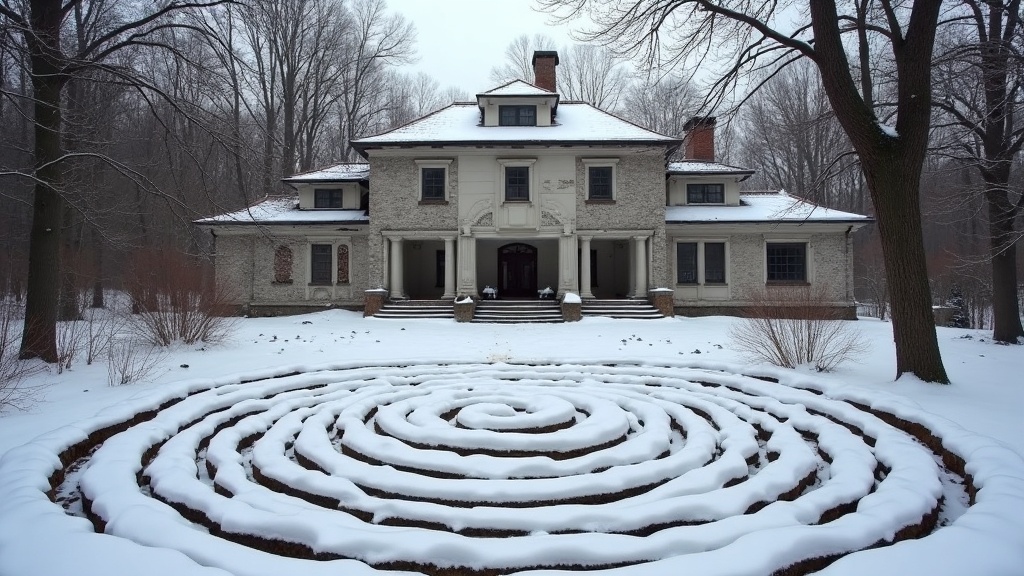
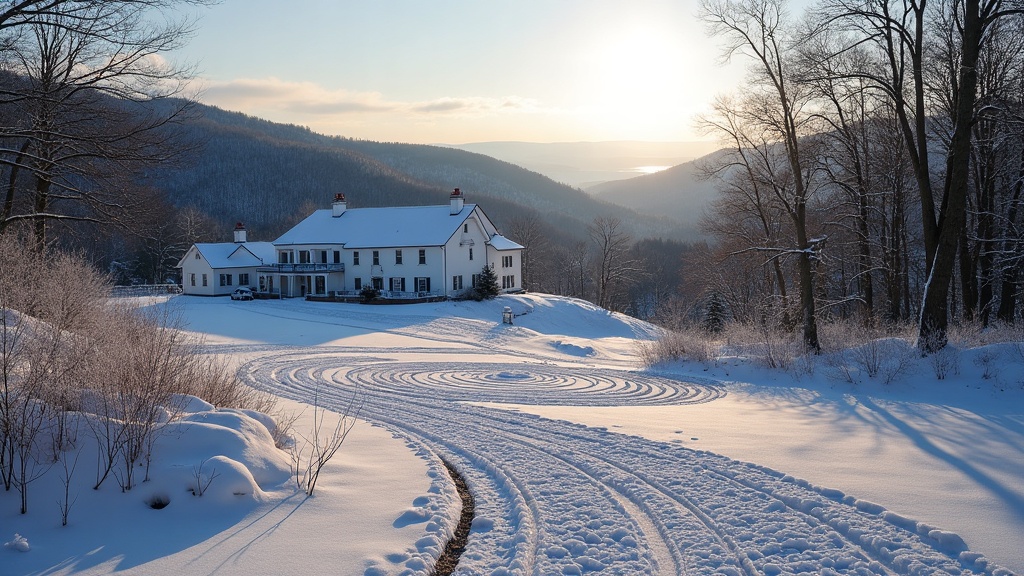
You'll arrive at a building that doesn't quite announce itself—a stately former Jesuit novitiate in brick, sitting above Stockbridge Lake with the Berkshire hills rising behind it. The entrance feels institutional at first, echoing its previous life, but the moment you step into the lobby that severity softens. You'll notice bare feet, quiet voices, and a palpable sense of transition—people arriving from highways and airports, shedding their outside lives.
Check-in happens at the front desk, and here's what makes it easier: arrive after 3 PM on your program's start date. Earlier, and you'll be waiting in common spaces while rooms are cleaned. The staff will hand you a room key, a name tag you're expected to wear throughout your stay, and a program schedule. They'll direct you to your room, explain meal times, and point you toward the main yoga hall. It's surprisingly straightforward, almost hotel-like, except everyone's wearing comfortable clothes and speaking in hushed tones.
The Rhythm That Shapes Your Days
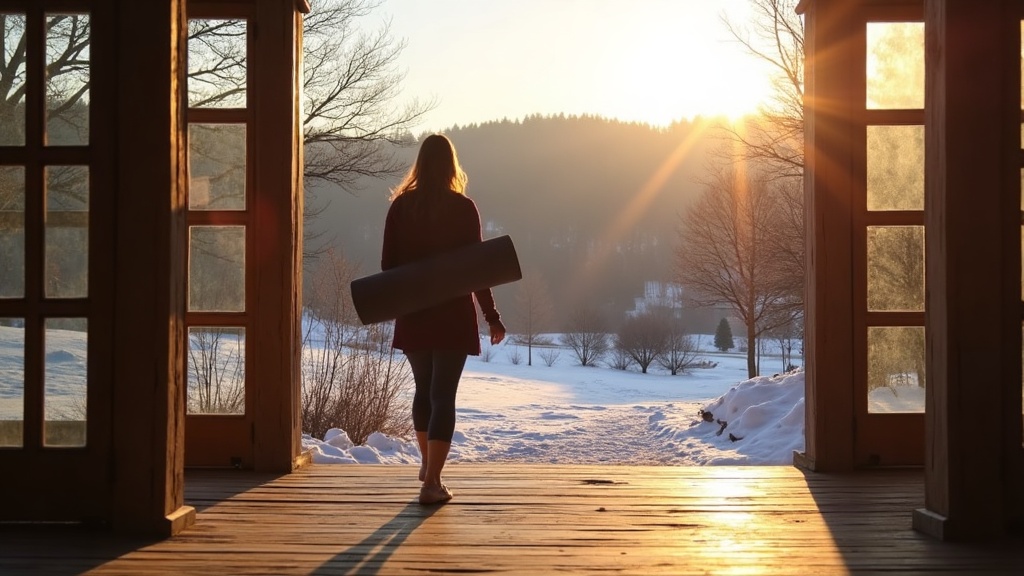
Kripalu has a pulse you'll feel by your second morning. The day begins early—not monastically so, but deliberately. Wake-up happens naturally around 6:00 or 6:30 AM, when early risers pad down to the main hall for morning meditation and yoga. This isn't always mandatory depending on your program, but the rhythm pulls you along. Breakfast follows at 7:30 or 8:00 AM, then your scheduled programming begins—workshops, intensives, or training sessions that form the heart of why you've come.
Afternoons typically offer a break. This free time between lunch and late afternoon sessions is essential; you'll want it. Some people hike the 300 acres of trails, others nap, many sit in the sun-filled common areas reading or journaling. Evening brings dinner, often followed by more programming—a lecture, a restorative practice, or kirtan if that's part of your retreat. By 9 or 9:30 PM, the building grows quiet. It's not enforced silence, but the collective energy shifts downward toward rest.
The structure feels both firm and spacious. You're held by the schedule but not imprisoned by it.
Rooms: Simple, Not Spartan
Your room will continue the theme of institutional-turned-intentional. Most accommodations are simple: twin beds, clean linens, a small desk, a window. Shared bathroom options remain the most affordable, with communal facilities down the hall that are kept remarkably clean. Private rooms with ensuite bathrooms exist but cost significantly more—this is a real tradeoff to consider when booking.
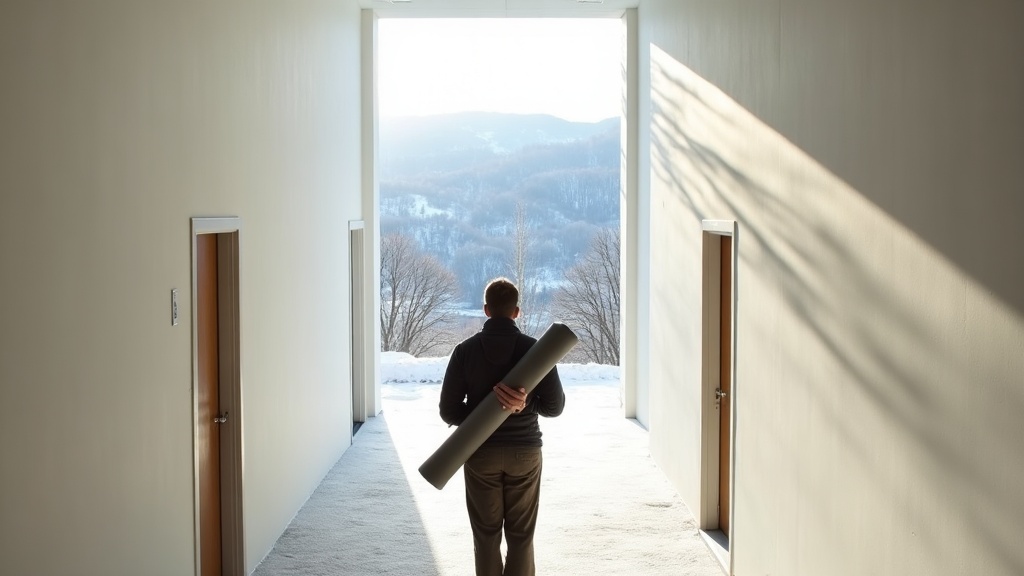
The rooms aren't luxurious. The white corridors and modest furnishings echo the building's novitiate origins. But they're genuinely comfortable, quiet, and clean. Many first-timers are surprised by how much this simplicity actually serves them—there's nothing to fuss over, nowhere to hide. You're here to do the work, and the room supports that without distraction. Bring earplugs if you're noise-sensitive; walls are solid but not soundproof.
Food That Becomes Part of the Practice
The dining hall surprises people. Kripalu serves vegetarian food—no meat, no fish—and it's genuinely good. Breakfast might be hot oatmeal stations with nuts and fruit, tofu scrambles, fresh bread. Lunch and dinner rotate through grain bowls, soups, salads, roasted vegetables, and international dishes that never feel punishing or sparse. There's always enough, and it's thoughtfully prepared.
Meals are eaten in partial silence or quiet conversation depending on the day's guidance. The first silent breakfast catches people off-guard—you'll sit with strangers, no small talk, just eating and the surprisingly loud sound of your own chewing. It's awkward for about five minutes, then oddly peaceful. Coffee and tea are freely available. If you have dietary restrictions beyond vegetarian, inform them at check-in; they're experienced with accommodations.
What to Pack, What to Leave Behind
Bring comfortable clothes you can move in—multiple layers, since temperatures vary between yoga halls, bedrooms, and outdoors. A water bottle, journal, and any props you prefer (though yoga mats and blankets are provided). Slippers or socks for walking the hallways. Toiletries, earplugs, perhaps a small flashlight.
What not to bring: expectations of luxury, rigid schedules of your own making, the need to be constantly connected. While phones aren't banned, you're strongly encouraged to limit use. WiFi exists but is intentionally modest. The cultural norm is devices away during programs, minimal checking in common spaces. Leave work at home—truly. The people who struggle most are those who keep one foot in their regular life.
Unspoken Rules That Matter
Kripalu has etiquette norms you'll absorb quickly. Silence or near-silence in hallways. Shoes off inside. Name tags visible. Don't save seats in the yoga hall. If you need to leave a session early, do so quietly but without elaborate apology—it's accepted. The sauna and whirlpool have quiet hours and clothing-optional times (clearly posted).
You can leave programs if they're not serving you. This isn't rude; it's understood. But give things a chance before you bolt—discomfort is sometimes the point.
The Honest Trade-Offs
The best surprise: the community that forms without effort. You'll have meaningful conversations with strangers, not because you're forced to, but because the environment makes it natural.
The challenging surprise: boredom, especially in downtime if you're used to constant stimulation. Your mind will race, then quiet, then race again. The simplicity can feel boring before it feels liberating. The emotional content that rises during yoga or meditation can be intense—Kripalu isn't just stretching, and programs often touch therapeutic dimensions.
Some first-timers find the scale overwhelming—hundreds of people, thick program catalogs, the sense of navigating a well-oiled machine. Others find it impersonal compared to smaller retreat centers. But that institutional backbone, inherited from Jesuit discipline and refined through four decades of yoga practice, creates something unusual: enough structure to feel safe, enough freedom to find what you need.
You'll leave different than you arrived. Not transformed, necessarily—Kripalu isn't selling magic—but shifted. More aware of your breath, your patterns, your capacity for quiet. And you'll probably book another visit before you've even unpacked.