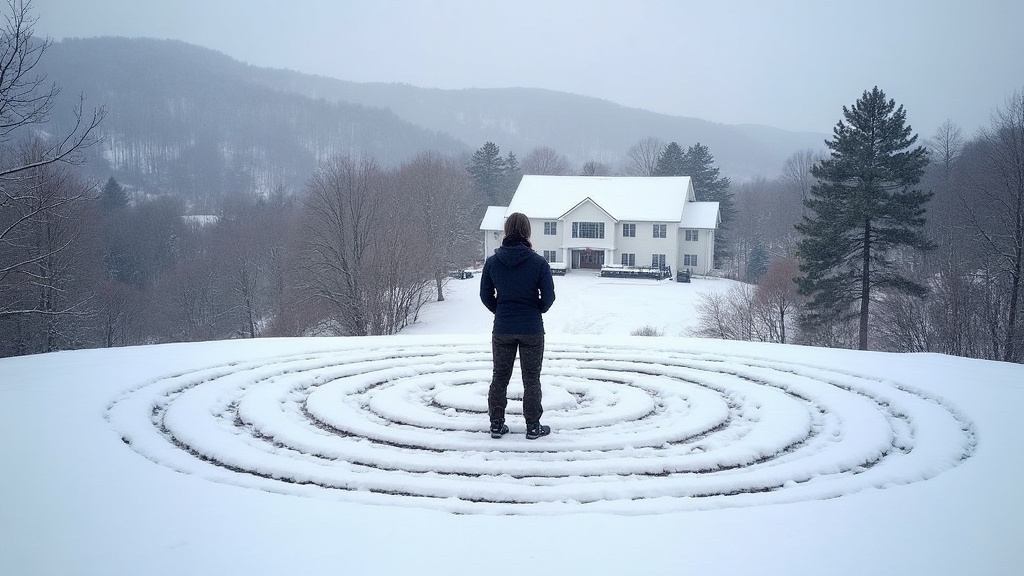
The History of Kripalu Center for Yoga & Health
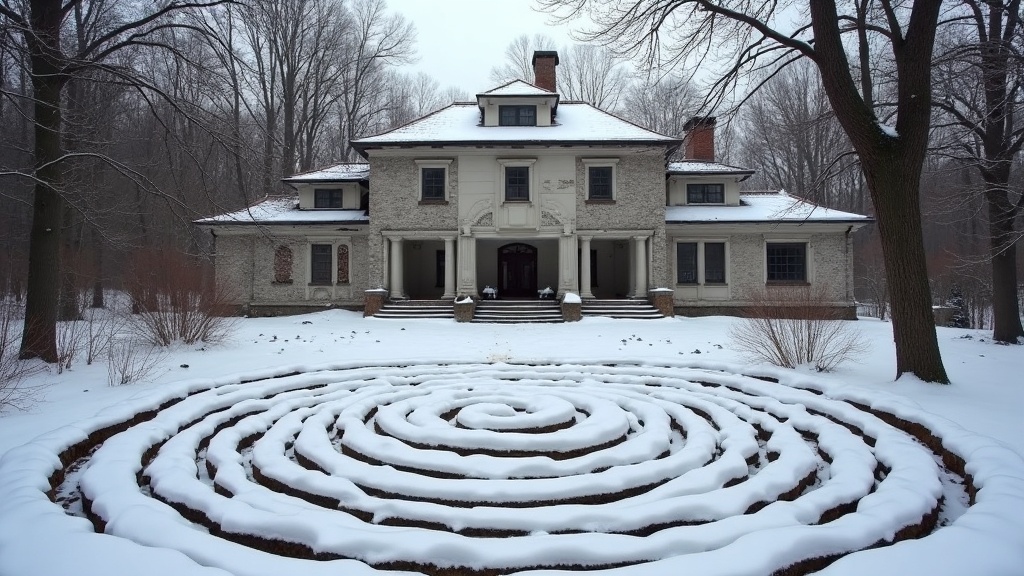
The History of Kripalu Center for Yoga & Health
Origins and Founding
The Kripalu Center for Yoga & Health opened its doors in 1983 in the Berkshire hills of western Massachusetts, occupying a building with its own institutional past. The 160,000-square-foot facility had been constructed in 1957 as a Jesuit novitiate and juniorate seminary—a place where young men once trained for priesthood. When Kripalu moved in, the white corridors and severe brick façade remained, but the building's purpose transformed entirely. Where seminarians had once walked in contemplative silence, yoga practitioners would soon flow through sun salutations.
The center emerged from the lineage of kundalini yoga, founded by Amrit Desai, who brought his interpretation of this tradition to America and developed what became known as Kripalu Yoga. The name itself honors Desai's teacher, Swami Kripalvananda. The move to the former seminary gave the growing community both the space and setting it needed—300 acres above Stockbridge Lake, with rooms that could house residential programs and teaching spaces that could accommodate hundreds of students.
Evolution and Expansion
From its early years, Kripalu began evolving beyond its strictly yogic origins into something more deliberately ecumenical and accessible. The center developed a model that distinguished it from smaller yoga studios or ashrams: it became a large-scale retreat and education facility that could serve diverse populations seeking wellness, spiritual exploration, or professional training.
The programming expanded to reflect this broader mission. Five-day immersions in various yoga styles—vinyasa, yin, and others—ran alongside weekend workshops on Ayurveda and specialized approaches like trauma-sensitive practice. Month-long teacher training programs filled the dormitory wings, creating a steady rhythm of incoming students and graduating instructors. The dining hall, capable of seating 400, served three vegetarian meals daily, often in contemplative silence punctuated only by the sound of silverware and wind from the lake.
A Significant Transition
The center faced a major turning point in 1994 when founder Amrit Desai departed amid revelations of sexual relationships with students, a betrayal of the celibacy he had professed and the ethical standards expected of a spiritual teacher. The controversy could have destroyed the institution. Instead, Kripalu chose transparency and transformation.
Rather than closing or denying the harm, the organization underwent a fundamental restructuring. It separated from the guru-centered model that had characterized its founding years and reimagined itself as a non-denominational wellness and educational center. This shift wasn't merely semantic—it represented a philosophical reorientation away from devotion to a single teacher toward a more pluralistic approach to yoga and healing practices.
Contemporary Identity
Today's Kripalu reflects that evolution. The teaching staff includes respected figures like Stephen Cope and Jurian Hughes, but no single authority defines the center's approach. Classes might emphasize precise alignment in one room while another hosts freeform dance. This methodological diversity—what might be called an ethos of "precision and permission"—has become Kripalu's defining characteristic.
The center operates as a nonprofit organization, positioning itself as one of the largest retreat centers of its kind in North America. The scale enables programming that smaller centers cannot sustain: comprehensive teacher trainings, specialized workshops, research initiatives, and accessible programs for diverse populations. The former seminary's institutional architecture—those long white corridors and tall windows—now serves a different kind of seeking, one less concerned with doctrinal purity than with practical transformation.
Legacy and Present Day
Kripalu stands as an example of how spiritual institutions can survive crisis through honest reckoning and adaptation. The organization's willingness to acknowledge its founder's failures and restructure accordingly allowed it to preserve its mission while evolving beyond the limitations of its origins. The center maintains its commitment to yoga while embracing a non-denominational approach that welcomes practitioners from various traditions and backgrounds.
The polished floors still hold the quiet of contemplative practice. The Berkshire hills still frame the brick building as they did when Jesuits first inhabited it. But what happens inside those walls reflects decades of growth, crisis, and conscious evolution—a living institution that continues to adapt while maintaining the core intention of supporting human transformation through embodied practice.