Eating at Kripalu Center for Yoga & Health: The Food Experience
Eating at Kripalu Center for Yoga & Health: The Food Experience
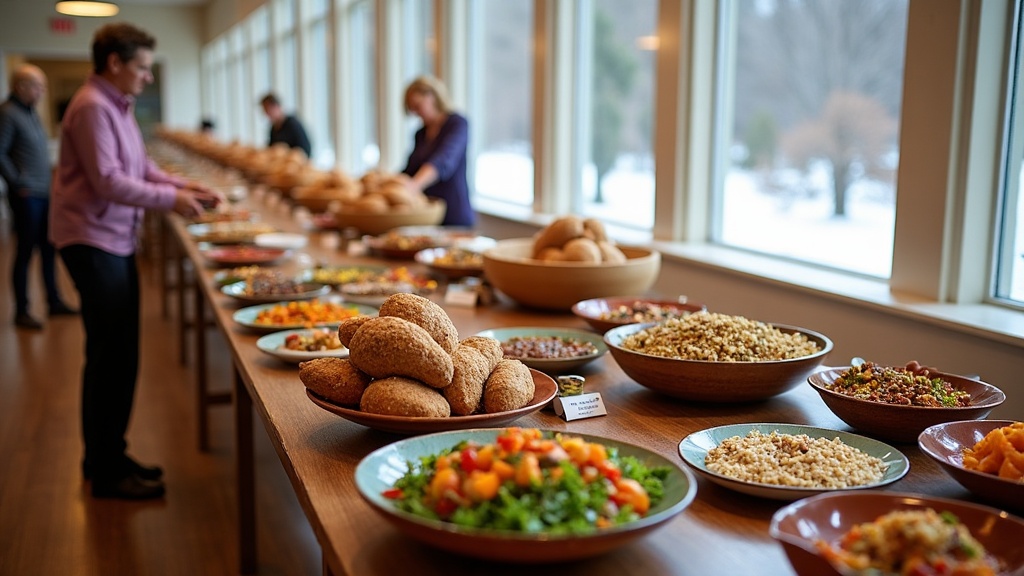
The dining hall at Kripalu occupies the former Jesuit refectory, and something of that monastic simplicity persists—long tables, efficient service, an atmosphere that discourages chatter but doesn't forbid it. What has changed entirely is what arrives on the plates. Where seminarians once ate institutional meat and potatoes, yoga students now encounter what Kripalu calls "conscious cuisine": vegetarian food prepared according to Ayurvedic principles, sourced locally when possible, and served with an intention that borders on reverence.
The Food Philosophy
Kripalu's kitchen operates from a straightforward premise: food affects consciousness. The center serves only vegetarian meals, eliminating meat, fish, and eggs from the menu entirely. This isn't merely ethical posturing—it reflects both yogic principles about ahimsa (non-harming) and Ayurvedic beliefs about how different foods influence the body's energy systems.
The Ayurvedic influence means menus shift with the seasons, incorporating warming spices and root vegetables in winter, cooling fruits and lighter preparations in summer. Meals aim to balance the three doshas—vata, pitta, and kapha—though the kitchen doesn't require diners to understand these categories. You simply eat what's offered, trusting that someone has thought about constitutional balance on your behalf.
The result is food that tends toward the wholesome rather than the indulgent: whole grains, legumes, fresh vegetables, moderate amounts of dairy. It's not austere—Kripalu's kitchen has a deserved reputation for making vegetarian food that actual humans want to eat—but neither is it particularly adventurous. This is nourishment as spiritual practice, not as entertainment.
A Day's Meals
Breakfast unfolds buffet-style with hot options like scrambled tofu, whole grain pancakes, or kitchari (the Ayurvedic rice-and-lentil porridge that appears regularly). Steel-cut oatmeal sits beside fresh fruit, yogurt, granola, and the kind of seven-grain toast that sticks to your ribs. Coffee and tea stations anchor both ends of the room—more on caffeine policy later.
Lunch, the main meal, might feature a lentil dal with coconut milk, roasted seasonal vegetables, brown rice or quinoa, and a substantial salad bar with house-made dressings. There's often soup, sometimes a grain-based casserole, always multiple options to accommodate different dietary needs.
Dinner tends lighter: perhaps a vegetable curry, sautéed greens, whole grain bread, and another visit to the salad bar. The kitchen rotates through international influences—Mexican, Thai, Mediterranean, Indian—always filtered through the vegetarian-Ayurvedic lens. Desserts appear occasionally, sweetened with maple syrup or dates rather than refined sugar, though not every meal includes one.
The Dining Experience
The main dining hall, with its tall windows overlooking the Berkshires, offers both communal tables for conversation and smaller tables for those seeking quiet. Many guests opt for silent meals, especially at breakfast, treating eating as meditation. Others chat softly. The room accommodates both approaches, though the general atmosphere tilts toward contemplative.
Meals happen at set times—roughly 7:30 am, 12:30 pm, and 6:00 pm—and the kitchen closes between services. This structure reinforces the retreat center rhythm: you eat when the bell rings, not when your phone tells you it's been three hours.
Dietary Accommodations
Kripalu's kitchen handles dietary restrictions with practiced competence. Vegan options appear at every meal (the baseline vegetarian menu includes dairy). Gluten-free alternatives—bread, pasta, designated serving spoons—occupy their own clearly labeled section of the buffet. Staff can accommodate most allergies with advance notice, and ingredient lists are posted for common allergens.
The kitchen takes these accommodations seriously, understanding that food sensitivities can derail a retreat as thoroughly as a bad roommate.
Snacks and Caffeine
Between meals, a beverage station offers herbal teas and fruit-infused water. Sometimes fresh fruit appears. But substantial snacking isn't part of the program—the meal schedule presumes you'll be satisfied until the next service.
Coffee is available, as is black tea, though the center gently discourages caffeine dependence. You won't be refused a second cup, but the implicit message is clear: perhaps explore why you need it. For the truly devoted, there are herbal alternatives with names like "energy blend." They taste exactly like you'd expect.
Special Programs
The center occasionally offers cooking workshops and Ayurvedic nutrition programs where guests learn the principles behind the meals they've been eating. These prove popular with people who return home wanting to recreate Kripalu's approach in their own kitchens—or at least understand why they felt so surprisingly satisfied eating what amounts to hippie health food for a week.
The food at Kripalu isn't fancy. But it's honest, competent, and surprisingly sustainable as a daily practice. You leave well-fed, if not particularly entertained.