Where You'll Stay at Kripalu Center for Yoga & Health: A Guide to Accommodations
Where You'll Stay at Kripalu Center for Yoga & Health: A Guide to Accommodations
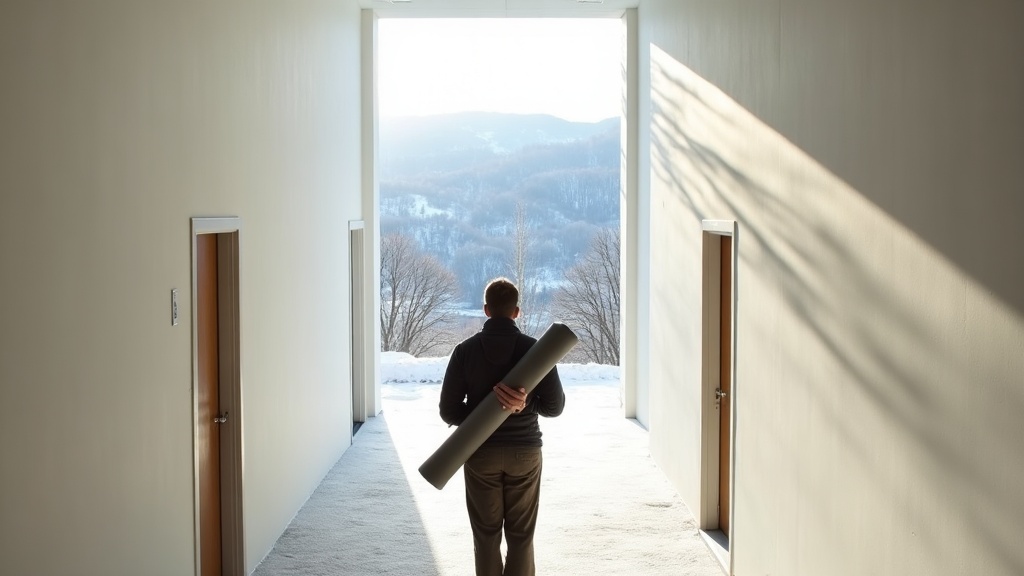
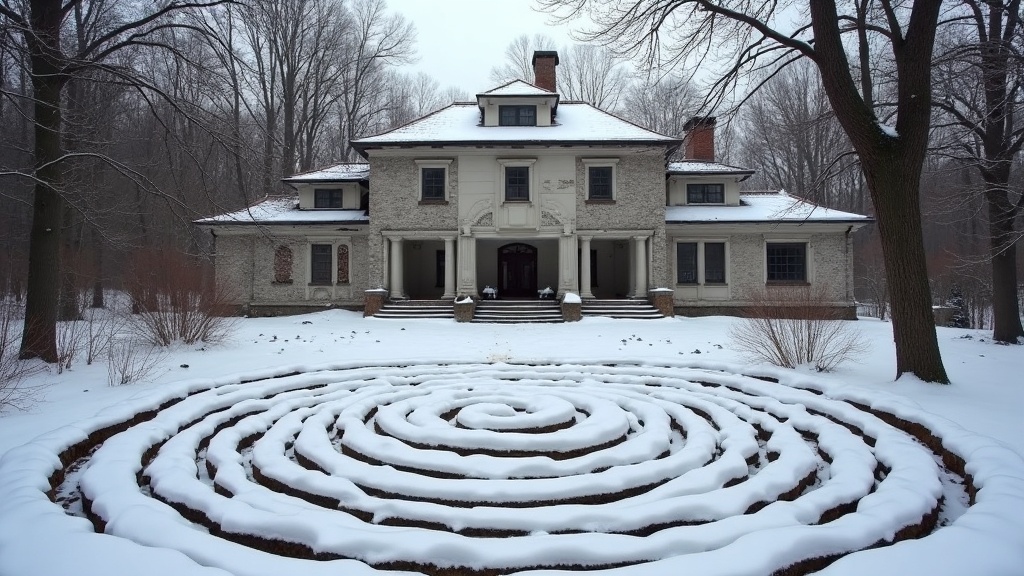
Sleeping in a former Jesuit novitiate means you're not getting the Ritz. Kripalu's white corridors still carry that institutional austerity—think monastery meets college dormitory—but that's part of what keeps retreat costs manageable and the focus on practice rather than pampering. Here's what to expect from each room category and how to choose what's right for your stay.
Understanding the Room Categories
Kripalu offers accommodations ranging from shared dormitory rooms to private deluxe spaces. The price difference can be substantial—sometimes several hundred dollars for a weekend program—so understanding what you're actually paying for matters.
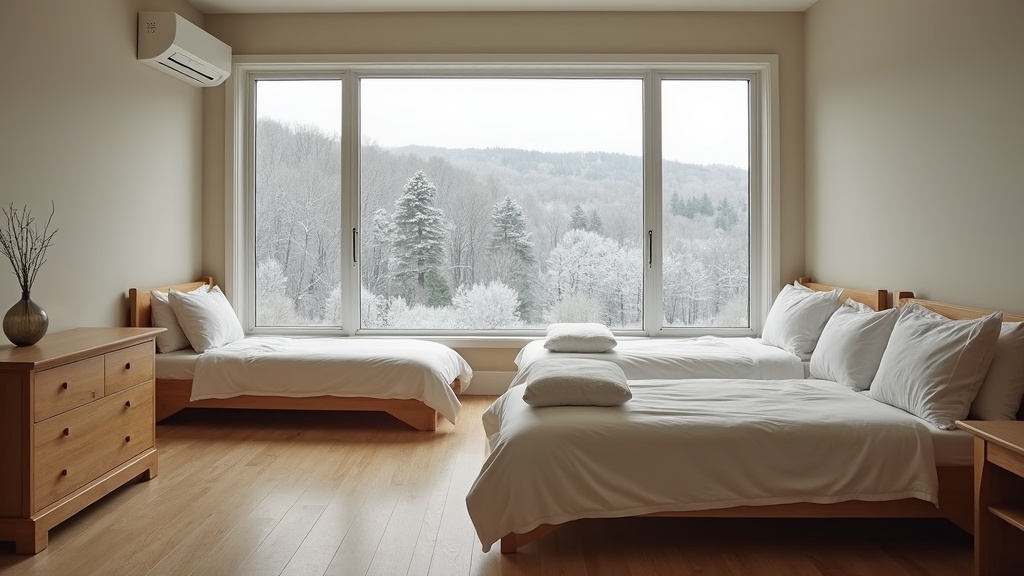
Dormitory rooms are the budget option, housing anywhere from four to twelve people in a single space with bunk beds or twin beds arranged barracks-style. You'll have a cubby or small shelf for your belongings, and that's about it. Standard rooms typically sleep two to four people in a more traditional bedroom setup. Private standard rooms give you your own space with basic furnishings. Deluxe rooms offer more square footage, better views of the Berkshires, and sometimes sitting areas or superior bathroom situations.
The bones of this 1950s building mean even deluxe rooms aren't boutique hotel luxurious—you're still looking at simple furnishings and that institutional architecture—but you do get noticeably more comfort and privacy as you move up the scale.
What's Included (and What Isn't)
Every room category includes linens, pillows, blankets, and towels—fresh and functional, though not plush. You'll find climate control that's adequate if not always perfectly responsive; the old building's heating and cooling systems do their best, but some rooms run warm while others stay cool. Bring layers.
What you won't find: televisions, phones, mini-fridges, or WiFi in the rooms (internet access is available in common areas, though many guests treat this as a digital detox opportunity). The aesthetic is deliberately spare. No artwork on walls, no decorative pillows, no hair dryers provided. It's functional space designed not to distract from your retreat experience.
The Bathroom Question
This is where room categories diverge most significantly. Dormitory rooms always mean shared bathrooms down the hall—typically one or two bathrooms serving a corridor of rooms. These are cleaned daily and generally well-maintained, but you're negotiating shower times with strangers and padding down the hallway in your robe.
Standard shared rooms usually also mean hall bathrooms. Private standard rooms may have en-suite bathrooms, though not always—check when booking. Deluxe rooms consistently include private bathrooms, which is the primary reason many people upgrade. If showering on your own schedule or having nighttime bathroom access without leaving your room matters to you, this convenience is worth the extra cost.
The Sound and Social Landscape
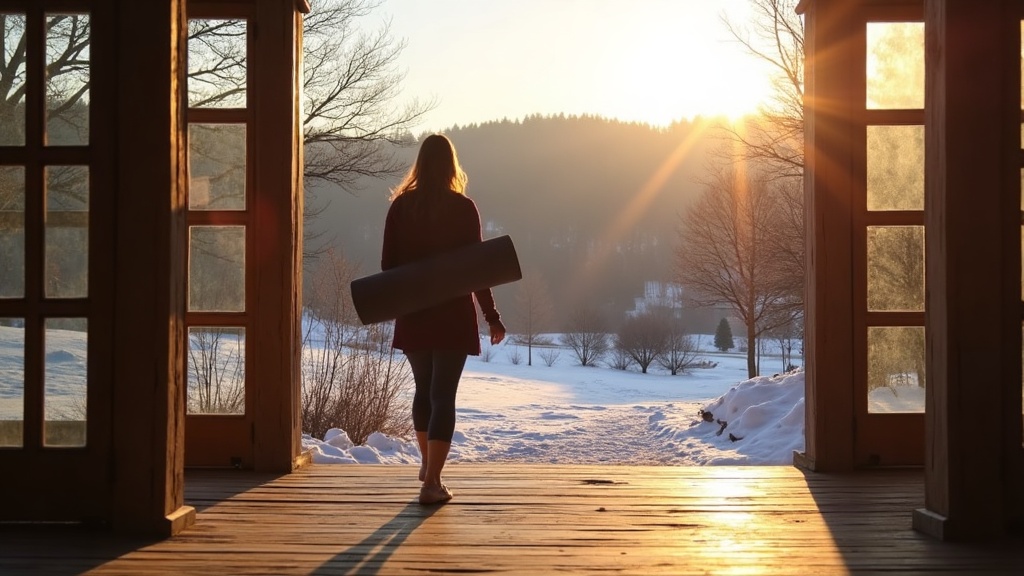
Here's what the brochure won't tell you: those white corridors carry sound. Footsteps echo on hardwood floors. Neighbors heading to early morning meditation at 6 a.m. aren't trying to wake you, but you might hear them anyway. The institutional quiet has a quality to it—a hush that makes small noises more noticeable.
Dormitory rooms mean negotiating not just bathroom schedules but also bedtimes, morning routines, snoring, and different levels of tidiness. Some people form lovely temporary communities with their roommates. Others count the hours until checkout. Standard shared rooms offer a middle ground: fewer people to coordinate with, but still requiring compromise.
The building's former life as a novitiate means long hallways with many rooms opening onto them. You'll likely hear doors, voices, footsteps. It's not loud, but it's not silent either.
Choosing Your Room: Honest Tradeoffs
Pick a dorm if you're on a tight budget, unbothered by communal living, or seeking that summer-camp camaraderie. The money you save can be significant, and some people genuinely prefer the social energy.
Choose private standard if you need your own space but can live with basic amenities and possibly a short walk to bathrooms.
Spring for deluxe if light sleeping, privacy, or bathroom convenience are non-negotiable for you. You're still in an old institutional building, just with more personal space and fewer compromises.
The cheapest room won't ruin your retreat, but it will test your flexibility. The most expensive won't transform the experience into luxury, but it will remove friction points. Choose based on what lets you actually focus on why you came.