Kripalu Center for Yoga & Health vs Omega Institute: Which Retreat Is Right for You
Kripalu Center for Yoga & Health vs Omega Institute: Which Retreat Is Right for You
Setting & Feel
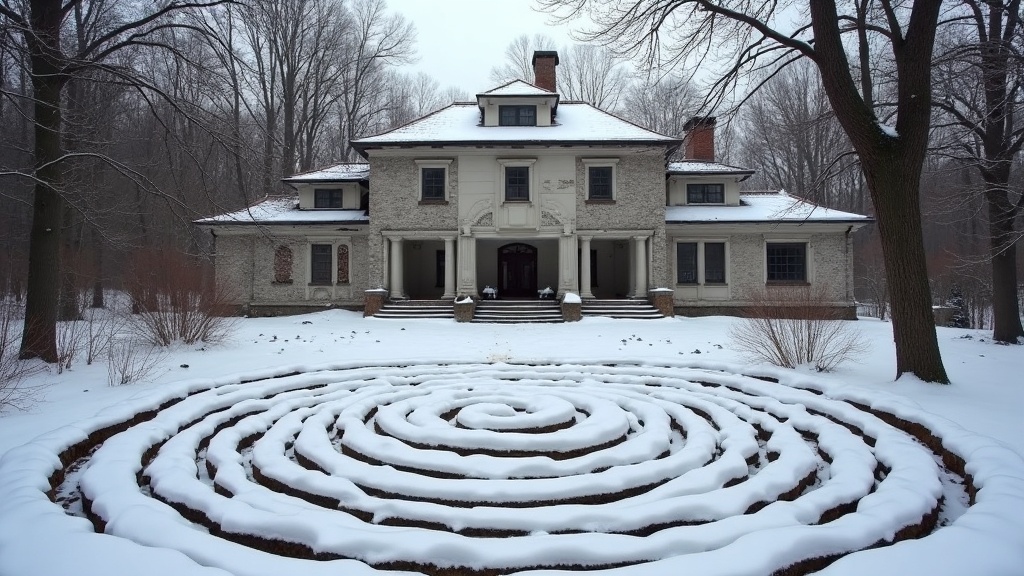
Kripalu occupies a former Jesuit novitiate in Stockbridge, Massachusetts—a stately brick building whose institutional bones haven't been entirely disguised. The white corridors retain their seminary quiet, and the architecture itself commands a certain reverence. Set on 300 acres above Stockbridge Lake in the Berkshires, the center feels simultaneously grand and austere. Tall windows flood the polished hardwood floors with light, and the overall effect is one of purposeful simplicity: a place built for contemplation, now repurposed for it.
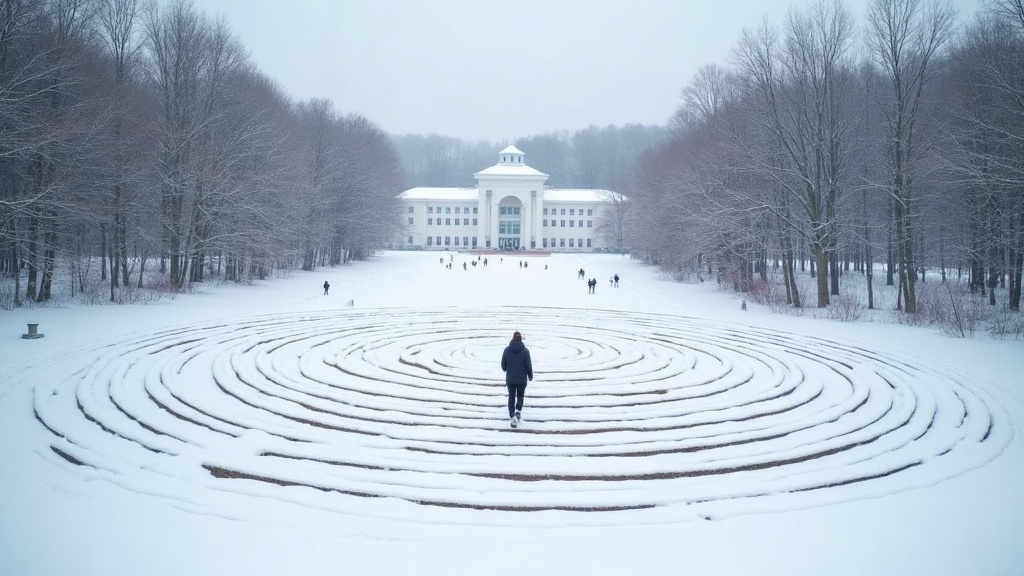
Omega Institute in Rhinebeck, New York, takes an entirely different approach. Rather than adapting an existing structure, Omega has created a campus that feels more like a progressive summer camp for adults. The buildings are scattered across the property in a way that encourages wandering. There's a lake for swimming, winding paths, and an overall atmosphere that's woodsy and casual. Where Kripalu's architecture imposes a certain discipline, Omega's layout invites exploration.
Program Style
Kripalu remains deeply rooted in yoga tradition, even as it has broadened its offerings. Founded in 1983 and grown from Amrit Desai's vision, the center maintains yoga as its gravitational center. The daily schedule is more structured: morning yoga sessions gather hundreds on the polished floors, and there's a rhythm to the days that feels intentional. While Kripalu has moved toward a more secular, accessible presentation, the underlying devotional current hasn't disappeared entirely—it's just been made optional. You can engage as deeply or lightly with the spiritual dimensions as you choose.
Omega takes a decidedly eclectic, buffet-style approach to programming. It's non-denominational by design and by temperament. You'll find yoga here, certainly, but also writing workshops, grief retreats, business leadership programs, dance classes, and shamanic journeying—sometimes all happening the same weekend. The structure is looser, the boundaries between programs more porous. Omega feels less like a yoga center that also offers other things and more like a gathering place for the broadly wellness-minded and spiritually curious.
Food
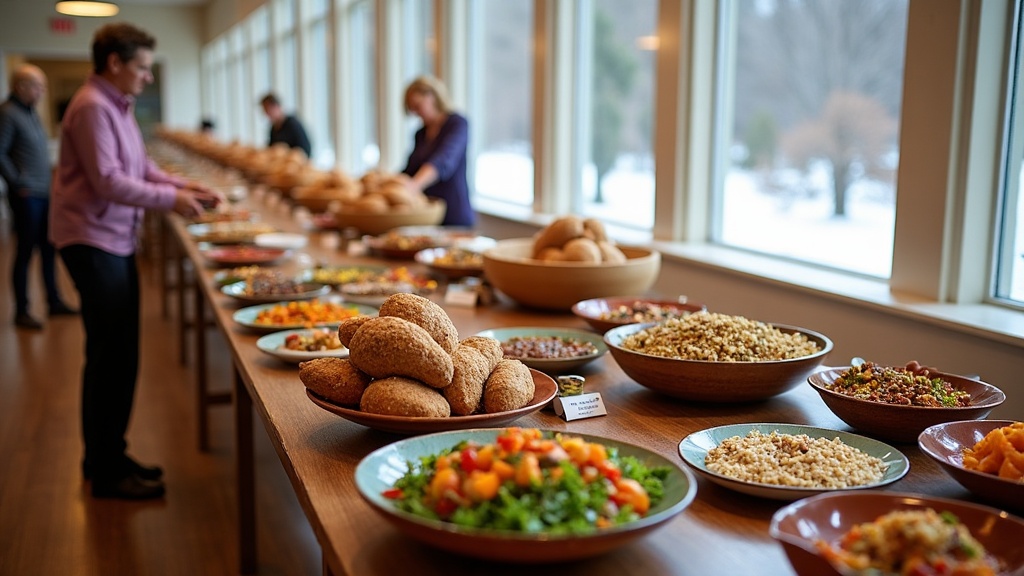
Both centers emphasize vegetarian, health-conscious cuisine, but with different executions. Kripalu serves three buffet-style meals daily in a large dining hall where silent breakfasts are a tradition—an extension of morning practice into the social space. The food is consistently good if not spectacular: nourishing, thoughtfully prepared, accommodating of dietary restrictions. The emphasis is on food as fuel for practice, with attention to Ayurvedic principles.
Omega also offers buffet dining with similarly health-forward vegetarian fare. The atmosphere in the dining hall tends to be more social and buzzy—conversations flow freely. The quality is comparable to Kripalu's, though some visitors report Omega's offerings as slightly more varied and creative. Neither center will wow food-focused travelers, but both competently support the work of being there.
Lodging
Kripalu's rooms reflect its institutional origins. They're clean, simple, and functional—think dormitory more than boutique hotel. You can choose from shared rooms (the most economical option), standard private rooms, or slightly upgraded accommodations, but don't expect luxury. The austerity is the point: minimal distraction from inner work.
Omega offers a wider range of lodging options, from tent camping and simple cabins to private rooms in residence halls. The overall quality is similar to Kripalu—comfortable but basic—though Omega's outdoor options appeal to those who want a more rustic experience. The variety means Omega can accommodate tighter budgets (camping) or those wanting more privacy (upgraded rooms) with slightly more flexibility.
Price Point
Both centers fall into the mid-range for retreat experiences, with weekend programs typically running $400-$800 depending on lodging choices and workshop fees. Kripalu tends to run slightly higher, particularly for yoga-specific programs and teacher trainings. Both offer work-study options and some scholarship opportunities. Neither is a budget option, but neither approaches the luxury wellness retreat price point either. You're paying for programming and community, not pampering.
Crowd & Who Tends to Go
Kripalu attracts serious yoga practitioners and those drawn to yoga as a comprehensive life philosophy, not just exercise. The crowd skews toward people in their 40s through 60s, predominantly women, often returning visitors who've made Kripalu a regular practice. There's an earnestness here, a shared understanding that everyone has come to do some version of "the work."
Omega draws a more diverse crowd in terms of interests and intensity levels. You'll find yoga practitioners, certainly, but also artists, activists, executives on sabbatical, and people simply craving a reset. The age range is broader, the vibe more socially oriented. First-timers outnumber regulars, and the overall atmosphere is more exploratory than devotional.
Best for Whom
Choose Kripalu if:
- Yoga is your primary practice and you want to deepen it
- You appreciate structure and routine in your day
- You're drawn to the clarity of a single, coherent tradition
- You prefer institutional quiet over social buzz
- You're comfortable with or curious about the spiritual dimensions of yoga
- You want to unplug almost completely from daily life
Choose Omega if:
- You're spiritually curious but not committed to a single path
- You want options—maybe yoga one day, dance the next
- You prefer a casual, camp-like atmosphere
- Social connection is part of what you're seeking
- You want your retreat experience to feel exploratory rather than prescribed
- You're new to retreat centers and want something less intimidating
Both centers offer genuine opportunities for restoration and growth. Kripalu is the place for depth; Omega is the place for breadth. Choose based on whether you want to dig one well deep or taste from many springs.