Your First Visit to Sharpham House: What to Expect
Arrival and First Impressions
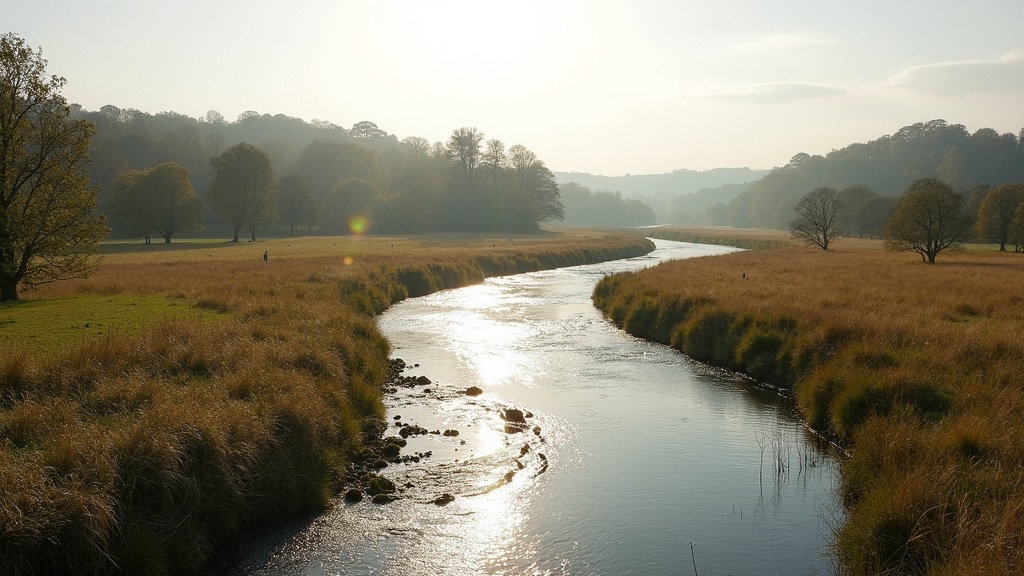
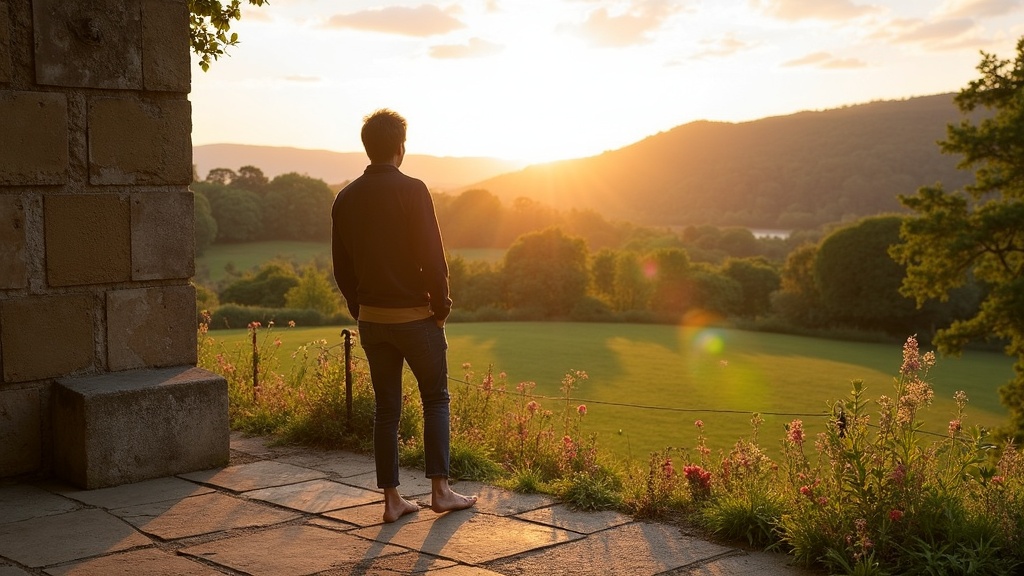
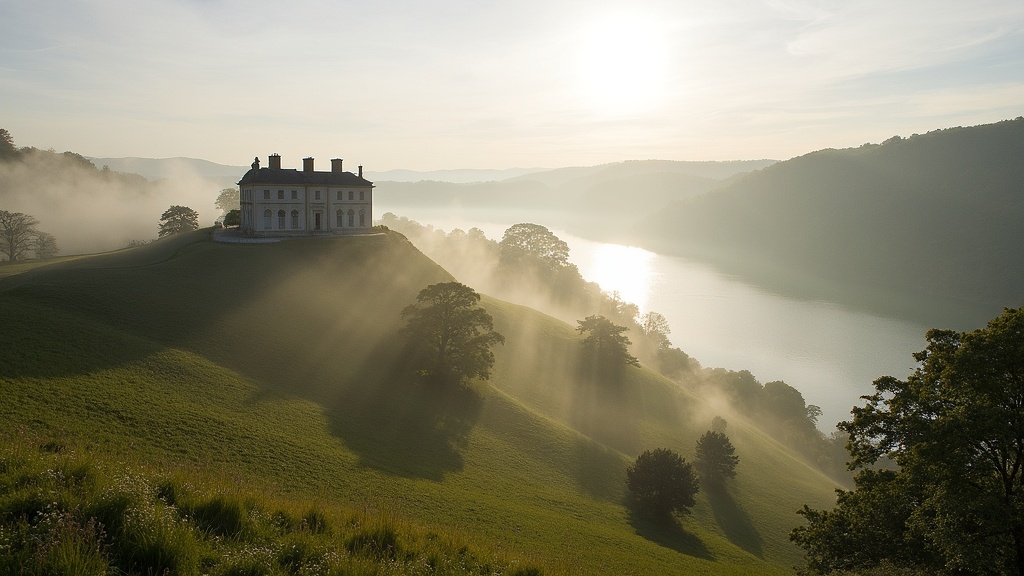
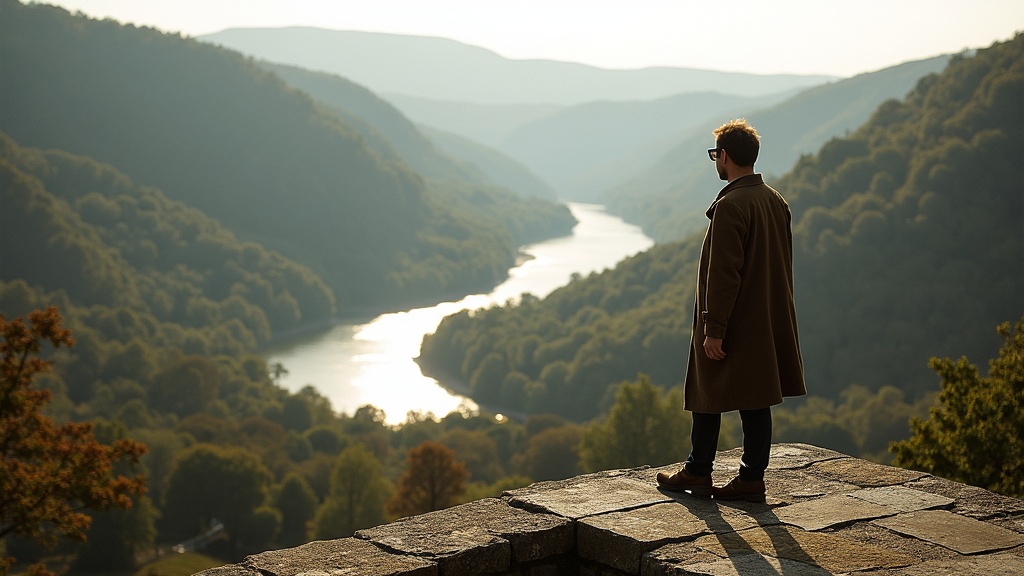
You'll find Sharpham House three miles south of Totnes, tucked into one of the most theatrical bends of the River Dart. The approach gives little warning—suddenly the Georgian facade appears, pale stone against woodland, and you realize the estate has been here since the 1770s, long before anyone was thinking about meditation cushions. Park near the house and make your way to reception. Check-in usually runs between 4 and 6 p.m., and the atmosphere is low-key: someone will greet you, show you where to leave your shoes (Sharpham operates as a shoe-free space indoors), and orient you to the basics—where your room is, where the meditation hall is located, what time dinner will be served.
First-timers often comment on the staircase. Pevsner wasn't exaggerating—it really does seem to float, a cantilevered ellipse that defies your sense of how stone should behave. But you won't linger long; there's usually just enough time to settle into your room before the welcome circle and evening meal.
The Rhythm of the Day
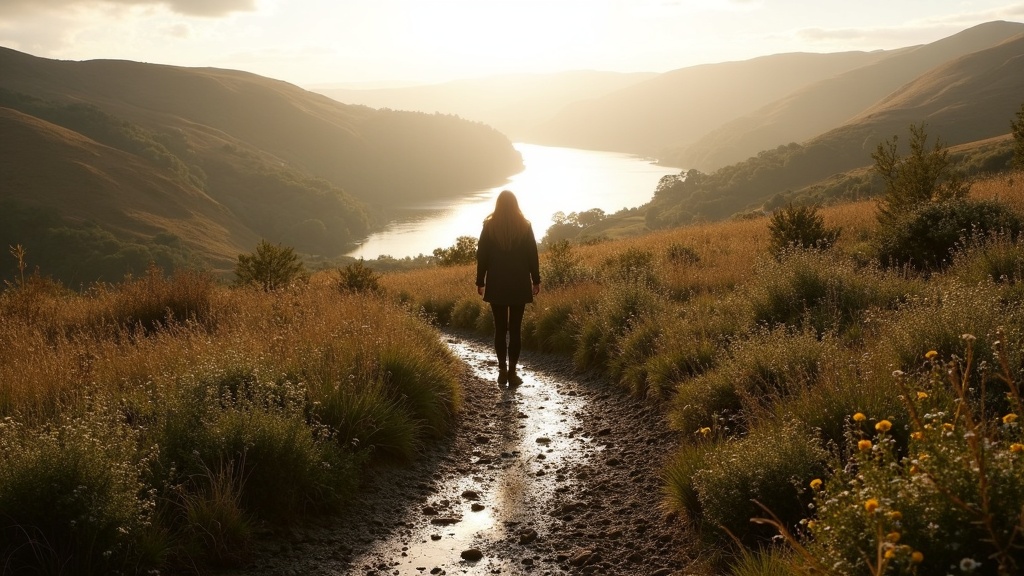
Retreats at Sharpham follow a rhythm that feels unhurried but structured. Mornings typically begin with a meditation sit around 7 or 7:30 a.m., followed by breakfast. Depending on your program, you might have teachings, group work, or another period of practice mid-morning. Lunch arrives around midday, then there's usually a significant stretch of unscheduled time in the afternoon—this is when people walk the estate, rest, read, or simply sit in the gardens overlooking the river.
Evening meditation sessions happen before dinner, and after the meal there might be a dharma talk, discussion, or another period of sitting. Lights-out isn't enforced, but the house quiets down naturally by 9:30 or 10 p.m. The schedule varies by retreat—some programs maintain Noble Silence throughout, others incorporate conversation during meals or breaks. You'll receive specifics when you arrive, but expect a framework that holds you without controlling you.
Rooms and Practical Comforts
The rooms at Sharpham are simple, clean, and far from luxurious. Most are single or twin-bedded, with basic furnishings—a bed, a chair, perhaps a small desk. Some have views over the gardens or valley; others face inward. The house is historic and hasn't been over-renovated, so expect uneven floors, the occasional quirk of old plumbing, and windows that might rattle in wind. Heating can be temperamental in the shoulder seasons. Bathrooms are mostly shared, and there aren't many of them relative to participants, so you'll learn the morning rhythm quickly.
This is not a spa. But the simplicity is intentional and, for many people, becomes part of the retreat's gift—fewer distractions, less fuss, more capacity to notice what actually matters.
The Food Situation
Meals are vegetarian, often vegan, and sourced largely from Sharpham's own organic farm and gardens. The quality is consistently good: hearty soups, grain salads, roasted vegetables, homemade bread. Breakfast is usually porridge, fruit, yogurt, toast—fuel rather than spectacle. Lunch is the main meal, dinner lighter. The kitchen staff are thoughtful about dietary requirements if you've noted them in advance.
Meals may be taken in silence or with conversation, depending on your retreat. If it's silent, you'll discover how much mental noise usually accompanies eating. The dining room looks out over the valley, and on clear days the light through those tall windows makes even a simple bowl of soup feel like enough.
What to Pack (and What to Leave Behind)
Bring comfortable loose clothing suitable for sitting meditation—layers are wise, as the meditation hall can be cool. Bring walking shoes or boots; the estate has miles of trails and you'll want to explore them. A water bottle, any medications, toiletries, a journal if you write, a shawl or blanket for sitting. A flashlight or headlamp is useful for navigating the house and grounds after dark.
Leave behind work, laptops, unnecessary devices. Most retreats request that phones be turned off and put away except for emergencies—there's usually a place to store them. Don't bring alcohol or recreational drugs; they're not permitted. If you're on a silent retreat, leave behind books as well, unless they're related to practice. The point is to reduce input, not find cleverer ways to stay occupied.
Silence, Phones, and Staying or Going
Noble Silence, when it's part of your retreat, includes not just refraining from talking but also from eye contact, gestures, and notes. It feels awkward at first—you'll desperately want to smile at someone or say "excuse me" when you pass on the stairs. But the silence deepens the practice in ways that surprise people. You're alone together, and there's strange relief in that.
Phones are the other negotiation. Sharpham asks that they remain off. If you need to check in with family or handle something urgent, that's understood, but do it discreetly and away from shared spaces. The request isn't punitive—it's structural. The spell breaks easily.
You're free to leave a program if you need to. No one will shame you or stop you. But talk to a teacher first if you're struggling; what feels unbearable at 2 p.m. on day two often shifts.
Honest Surprises: What First-Timers Don't Expect
The hardest parts are rarely what people anticipate. It's usually not the sitting itself but the unstructured time, the absence of distraction, the way your own mind becomes incredibly loud when there's nothing to drown it out. Some people arrive hoping for bliss and meet boredom or sadness instead. That's normal. The practice holds it.
The positive surprises: how quickly the nervous system settles once you're off devices. How beautiful the estate is, especially at dawn. The kindness of staff and teachers. The way silence creates intimacy rather than distance. How much a single weekend can shift your relationship to your own noise.
Sharpham is not trying to impress you. It's offering you a structure and a setting where something subtler than impression can happen. Come ready for that, and you'll leave changed in small, durable ways.