Best Programs at Sharpham House for Beginners
Best Programs at Sharpham House for Beginners
The worry is always the same: everyone else will know what they're doing. You'll sit wrong, breathe wrong, somehow violate an unspoken rule about silence or cushion arrangement. You'll be the only person fidgeting while others achieve transcendent stillness beneath that famous floating staircase.
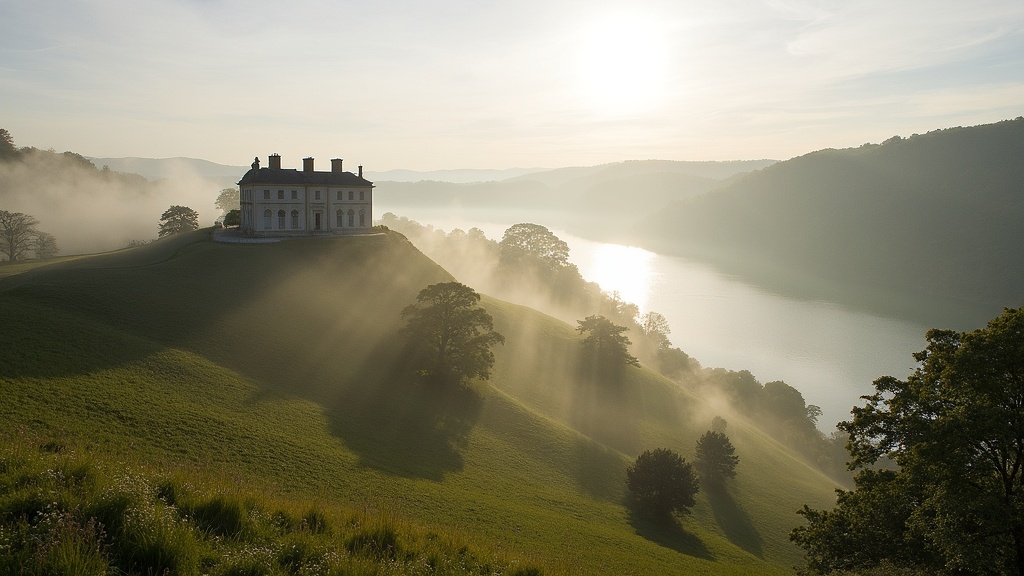
Here's the truth: half the people in your first retreat room are thinking the exact same thing. The other half were thinking it during their first retreat. Sharpham doesn't traffic in guru worship or rigid orthodoxy. It's a Georgian mansion on a bend in the River Dart where people practice paying attention. That's not mystical. It's just difficult.
The fear is misplaced in one sense—no one cares about your meditation pedigree—but warranted in another. Retreats are genuinely challenging. Sitting still surfaces everything you've been outrunning. If you're using retreats to avoid therapy, a trauma anniversary, or acute mental health crisis, start with a therapist instead. Otherwise, you're exactly where beginners belong: slightly scared and showing up anyway.
The Five Program Types That Won't Drown You
Introduction to Mindfulness weekends are the shallow end. Two and a half days, structured teaching, guided meditations, and crucially, talking allowed. You'll learn basic breath awareness, walking meditation through those estate gardens, and what "noting" means without committing to days of noble silence. Perfect if you've dabbled with apps and want embodied instruction.
Mindful Living courses run three to five days and add nature-based contemplation into the mix. You're still getting plenty of guidance, but the training wheels come off slightly. Expect longer sits, more silence, less hand-holding. The 550 acres of organic farmland matter here—walking meditation becomes legitimate practice, not filler between cushion time.
Short silent retreats (typically weekend to four days) mark the real beginning of retreat work. Silence from Friday evening through Sunday lunch. Teachers give daily talks grounded in Insight Meditation and secular Buddhism, but you're responsible for your own practice between sessions. The structure holds you, but doesn't carry you.
Introductory Vipassana retreats (usually five days) go deeper into systematic meditation instruction. More daily sitting, basic dharma talks on impermanence and suffering, and introduction to metta (loving-kindness) practice. Still beginner-friendly because teachers assume no background, but you're building genuine concentration now.
Plum Village tradition weekends work beautifully for beginners allergic to austerity. Thich Nhat Hanh's approach emphasizes joy, community, and gentleness. There's singing. There's tea meditation. It's legitimate practice without the hairshirt aesthetics some Buddhist spaces cultivate.
What "Level" Actually Means Here
Sharpham doesn't gatekeep much. "Beginner" means you haven't done multi-day silent retreats. "Experienced" means you have, and won't need basic instruction on posture or panic management when difficult emotions surface. That's it.
The Zen offerings skew more advanced not because Zen is inherently harder, but because those programs assume familiarity with long periods of stillness and koan work. The non-sectarian mindfulness programs assume nothing except that you can sit in a chair or on a cushion for twenty minutes without injury.
Skip These Your First Time
Extended silent retreats (seven days or longer) will wreck you without a foundation. Days three and four are where it gets hard—your defense mechanisms strip away before you've developed tools to work with what's underneath. You need experience to know that the despair or boredom is part of the process, not evidence you're failing.
Self-guided retreats require you to design and maintain your own schedule. Without a teacher's talks or group container, you'll likely sleep late, take long walks, and call it meditation. Not useless, but not retreat.
Intensive Vipassana programs advertising "rigorous practice schedule" or "experienced practitioners only." Believe them. They mean 6-10 hours of daily sitting with minimal guidance.
Weekend, Five Days, or Full Week?
Take a weekend first. Seriously. The romantic part of you wants to dive into a week, but you don't know yet if you hate sitting, if silence makes you panic, or if your knees give out after day two. Weekends teach you how you respond to retreat conditions without requiring you to white-knuckle through five more days after you've learned you're not ready.
If your first weekend goes well—meaning it was hard but you stayed, sat through at least half the scheduled sessions, and felt something shift—book five days within six months. The work happens in mid-length retreats. You get past the settling-in period into actual practice.
Week-long retreats come later, after you've done at least two five-day programs and know you can handle what emerges in extended silence.
When You're Ready for Advanced Work
You'll know because sitting gets interesting instead of merely difficult. You'll want longer periods of silence, less teaching, more space to investigate what's arising. You'll stop needing retreat to "fix" you and start using it as laboratory for awareness.
The signal isn't bliss or visions. It's developing what Buddhist psychology calls "steadiness"—the capacity to stay present with boredom, discomfort, joy, grief, without immediately strategizing your way out. When you can sit through a difficult hour and think "that was hard" instead of "I'm bad at this," you're ready for whatever Sharpham offers.