Your First Visit to Kagyu Samye Ling Monastery: What to Expect
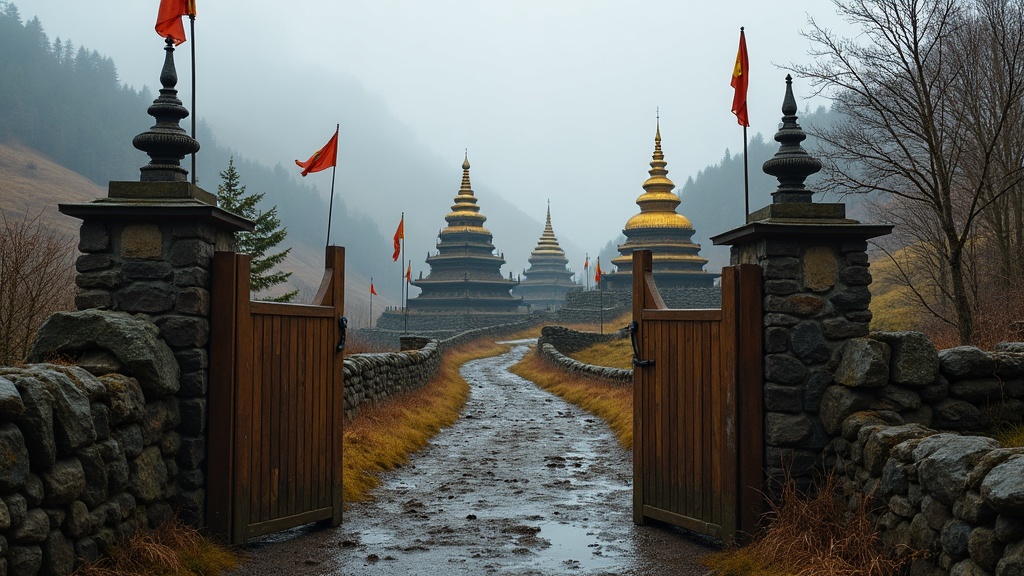
Arriving at the Edge of the World
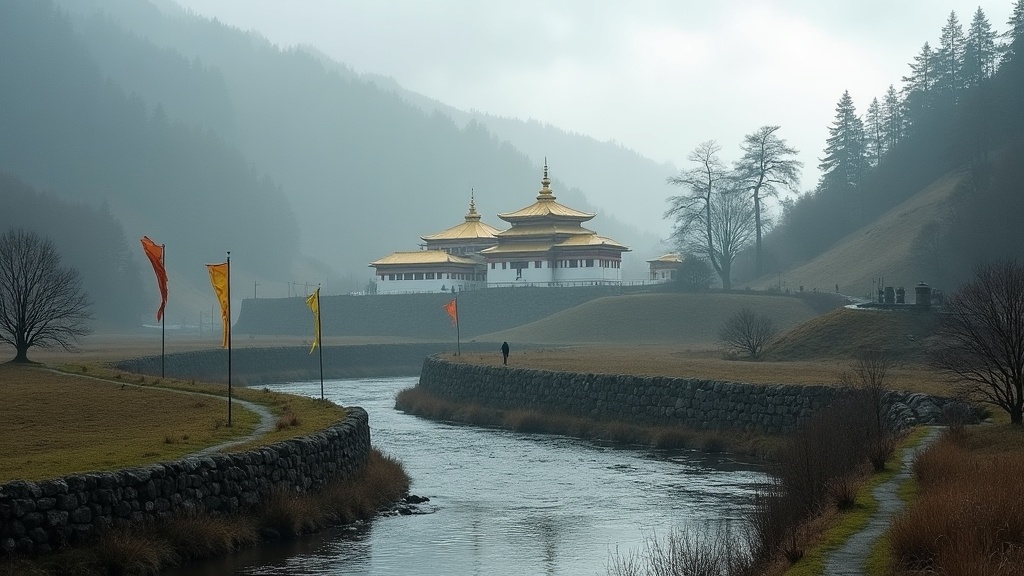
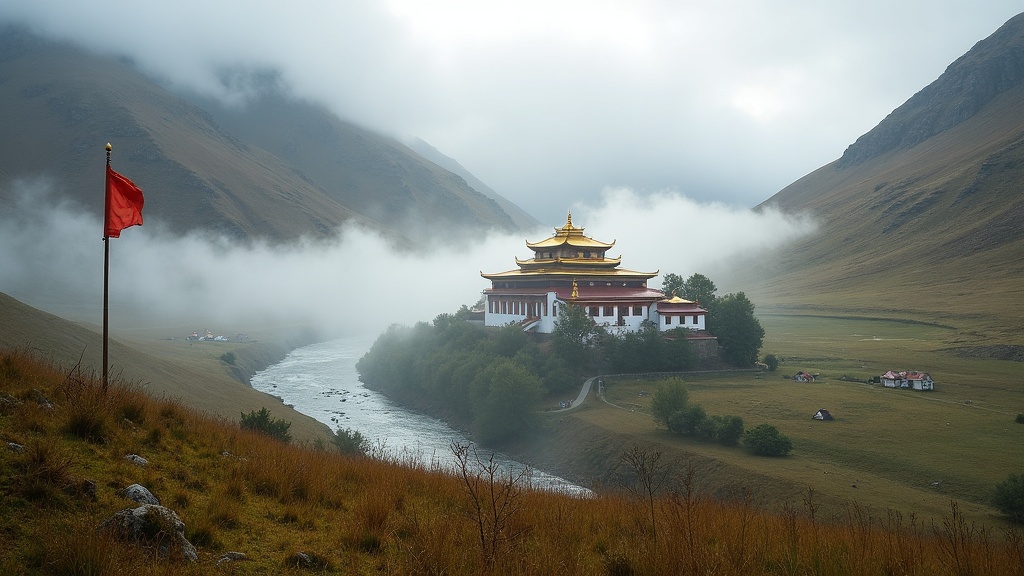
The journey to Kagyu Samye Ling is part of the retreat itself. You'll know you're getting close when mobile phone signal drops away and the rolling hills of Dumfriesshire fold into deeper valleys. The final fifteen miles from Lockerbie follow narrow roads that trace the River Esk, and you'll likely find yourself driving more slowly, breathing more deeply, before you've even arrived.
Check-in typically happens at the main office in what was once Johnstone House, the former hunting lodge that became the West's first Tibetan monastery in 1967. The staff are warm but efficient—this isn't a hotel experience, and that's intentional. You'll receive your room key, a schedule for your specific program, and usually a brief orientation about meal times and where to find things. If you arrive outside office hours, there's generally a system for late arrivals with your room details posted or someone available by phone. Don't expect elaborate welcome ceremonies; the simplicity is the point.
The Daily Rhythm
Your days will follow a structure that might feel foreign at first but quickly becomes grounding. Most retreat programs begin early—often with a 7 AM meditation session in one of the meditation halls or the temple. The morning sits tend to be quiet, focused, with the particular practices depending on your program (whether that's foundational meditation, Ngondro preliminary practices, or more advanced Mahamudra teachings).
Breakfast follows morning practice, usually around 8 or 8:30 AM. The middle of the day typically includes teachings, more meditation sessions, or—depending on your retreat—periods of personal practice time. Lunch is the main meal, served around midday. Afternoons often have a looser structure with optional sessions, work practice (karma yoga), or genuine free time to walk the extensive grounds along the river.
Evening meditation happens before or after the lighter evening meal, which is served early by Western standards—often by 6 PM. The day usually concludes with a final meditation or prayer session around 7 or 8 PM, leaving you free for rest, personal practice, or quiet reflection in your room.
Where You'll Sleep
Don't come expecting luxury accommodations, but don't worry about sleeping on bare floorboards either. Rooms range from simple singles to shared dormitory-style spaces, depending on what you've booked and what's available. Most rooms are clean and functional—a bed, maybe a small desk or chair, basic heating, shared bathrooms down the hall. Some of the newer buildings have slightly more amenity than the older sections, but "simple" is the operative word throughout.
The monastery has grown considerably since its 1967 founding, so room quality varies. You might be in a newer residential building or in older converted spaces. Bedding is provided, but bring your own towels. The heating works, though the Scottish Borders can be drafty even in summer. Think "comfortable austerity" rather than "rustic hardship."
What You'll Eat
The food at Samye Ling is entirely vegetarian and surprisingly good—certainly better than many first-time visitors expect. Meals are served communally in the dining hall, with lunch being the substantial meal of the day: soups, salads, hot dishes, often with international influences reflecting both Tibetan traditions and the diverse community of residents and teachers.
Breakfast is simple—porridge, toast, fruit, cereals, tea and coffee. The evening meal is deliberately lighter, sometimes just soup and bread, reflecting traditional Buddhist practice of eating lightly before meditation. The kitchen accommodates dietary requirements if you've noted them when booking—vegan, gluten-free, and specific allergies are all manageable with advance notice.
Meals are eaten in mindful silence or quiet conversation, depending on the program. There's something unexpectedly powerful about eating together without the usual social performance—just the sounds of cutlery, of eating, of being present.
What to Pack (and What to Leave Behind)
Bring comfortable, modest clothing suitable for meditation—loose trousers or skirts, layers for variable Scottish weather, waterproof jacket and walking shoes if you plan to explore the grounds. A meditation cushion if you have a preferred one, though cushions and chairs are available. Any medications, personal toiletries, and definitely your own towels.
Bring a notebook and pen if you want to reflect or take notes during teachings. A water bottle is useful. Warm socks for meditation sessions—the halls can be cool.
What not to bring: expectations of constant stimulation, plans to do substantial work on your laptop, assumptions that you'll maintain your usual social media rhythm. While phones aren't forbidden, most programs encourage minimal use, and the poor signal makes digital addiction difficult anyway.
Etiquette and Unwritten Rules
Silence isn't absolute outside of specific silent retreats, but quietness is the default mode. Conversations happen, but at lower volume and with more intention than in ordinary life. Mobile phones should be silenced in all practice spaces and ideally kept in your room. If you must take a call, step well away from buildings.
You're generally expected to attend all scheduled sessions of your program unless genuinely unwell. This isn't a spa where you pick and choose activities—commitment to the full schedule is part of the practice. That said, if something genuinely isn't working, the teachers and staff are approachable about modifications.
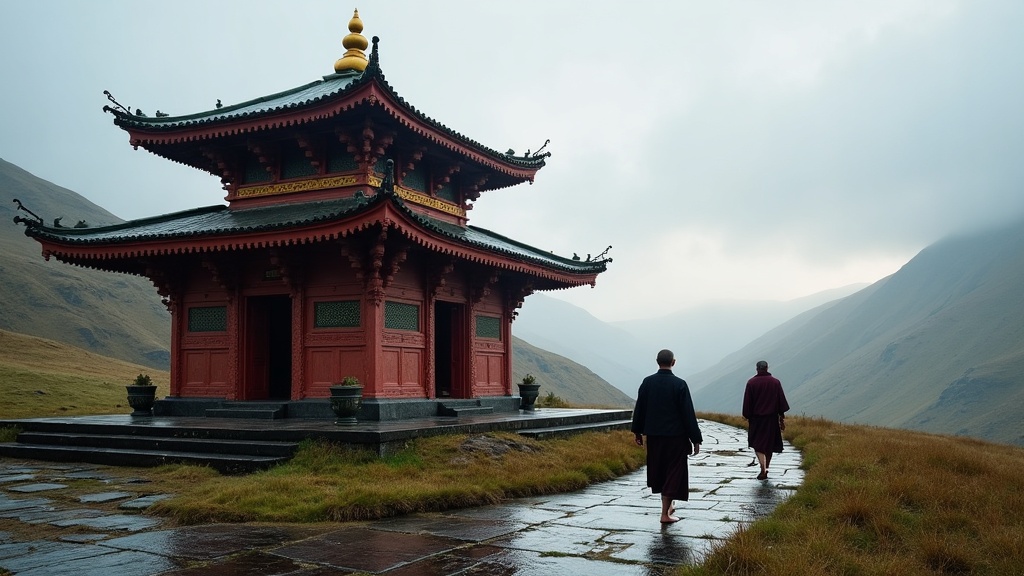
Shoes come off before entering meditation spaces and the temple. Dress modestly, especially in practice spaces. Don't walk in front of altars or shrines without respect. Photography is fine in gardens and grounds but ask before photographing inside buildings or during teachings.
The Honest Truth: What Surprises People
First-timers are often struck by how genuinely multicultural and unpretentious the place feels. This isn't a precious, Western-Buddhist fantasy but a working monastery with Tibetan monks, long-term Western residents, curious newcomers, and everyone in between coexisting in imperfect, real community.
The challenging part? The simplicity can feel stark if you're used to comfort. The pace can feel either too slow or too full, depending on your nervous system. The Scottish weather doesn't care about your retreat plans. Sitting with yourself for days without usual distractions is harder than it sounds.
But most people find that the remoteness of the valley, the sincerity of the practice, and the accumulated blessings of nearly sixty years of continuous meditation in this place create something genuinely transformative. Not comfortable, perhaps, but real.