Best Time to Visit Kagyu Samye Ling Monastery: A Seasonal Guide
Best Time to Visit Kagyu Samye Ling Monastery: A Seasonal Guide
Winter: Silence and Stillness in the Scottish Borders
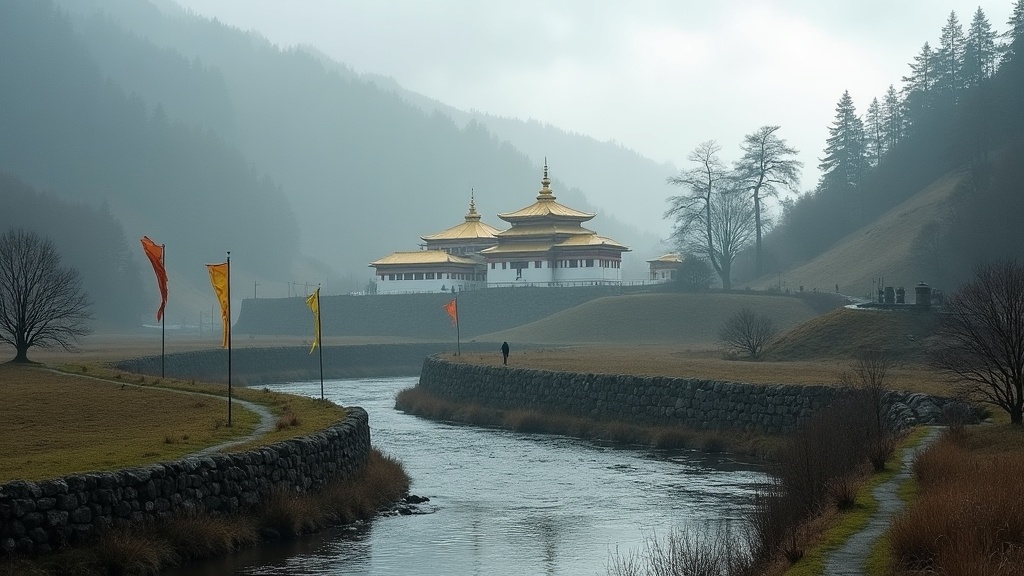
Winter at Kagyu Samye Ling carries the weight of genuine solitude. From December through February, the monastery's remote valley often disappears beneath snow, the River Esk running dark against white banks, the hills closing in with early twilight. This is the quietest season, when visitor numbers drop and the resident community turns inward. The temple feels warmer somehow—not physically, though the heating works hard—but in atmosphere, as if the concentration of practice intensifies when fewer people share the space.
The monastery continues its core programs through winter, including weekend courses and shorter retreats focused on foundational practices like Ngondro. These months attract serious practitioners willing to bundle up for walking meditation between the main temple and residence buildings, people drawn to the stripped-back quality of winter retreat life. Morning prayers begin in darkness; evening practices conclude under stars that seem impossibly bright this far from city light. This season suits those seeking depth over comfort, contemplation over conversation, though the communal meals and tea times offer genuine warmth against the Scottish chill.
Spring: Awakening Alongside the Valley
March through May brings transformation to Eskdalemuir's landscape and to the monastery's rhythm. Lambs appear in surrounding fields, snowdrops give way to daffodils near the Peace Garden, and the valley awakens in shades of green that justify every Scottish pastoral cliché. The center's programming expands during spring, with more weekend courses launching and the longer retreat schedules gaining momentum.
Spring represents a gentle increase in visitors—not yet the summer bustle, but noticeably livelier than winter's isolation. The weather remains unpredictable (this is southern Scotland, after all), with gloriously clear days punctuated by sudden rain and lingering cold. Those prepared with proper layers find spring particularly rewarding. The energy feels hopeful, matching the seasonal renewal outside with internal cultivation inside. First-time visitors often find spring approachable: alive enough to feel welcoming, quiet enough to support genuine practice.
Summer: Peak Season in the Valley
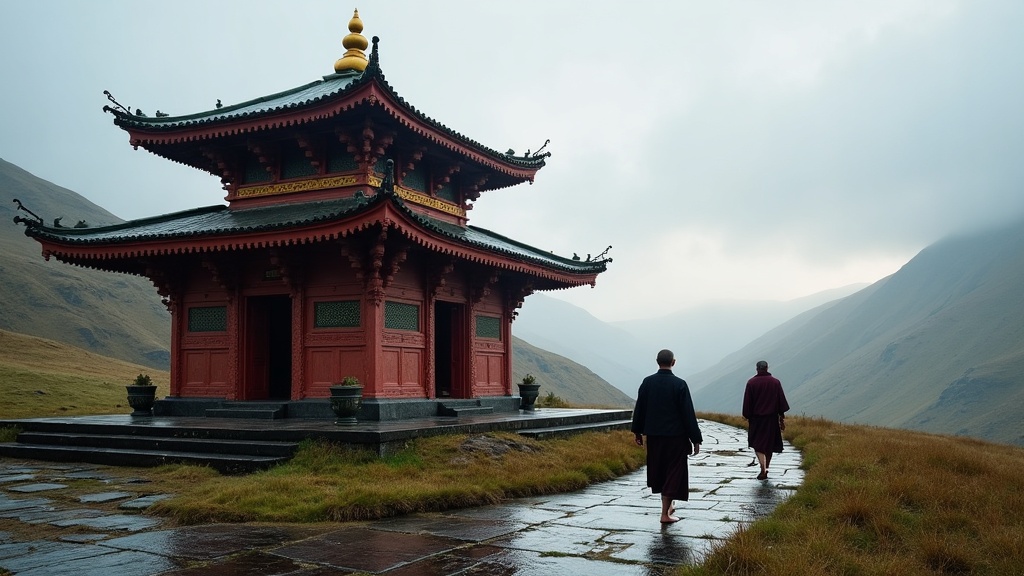
June through August sees Kagyu Samye Ling at its busiest and most colorful. The temple's ornate Tibetan architecture—gold roofs, painted dragons, intricate murals—blazes against blue skies when the notoriously fickle Scottish weather cooperates. The grounds become genuinely pleasant for outdoor walking meditation, and the café terrace fills with visitors taking tea beneath the hills.
Summer programming runs at full capacity, with multiple retreats, courses on topics from Tibetan medicine to Vajrayana practices, and weekend programs that often book weeks in advance. The monastery welcomes day visitors and spiritual tourists alongside committed practitioners, creating a diverse, sometimes challenging mix. For those seeking quiet intensity, summer presents obstacles—more people in shared accommodations, busier meal times, occasional coach tours browsing the shop and temple.
Yet summer has gifts. Extended daylight means more time to explore the extensive grounds. The energy feels communal and open, excellent for newcomers uncertain about diving into deep retreat. Teaching programs tend toward the accessible, making summer ideal for those exploring Tibetan Buddhism for the first time. Just expect company on your contemplative walks.
Fall: The Sweet Spot Returns
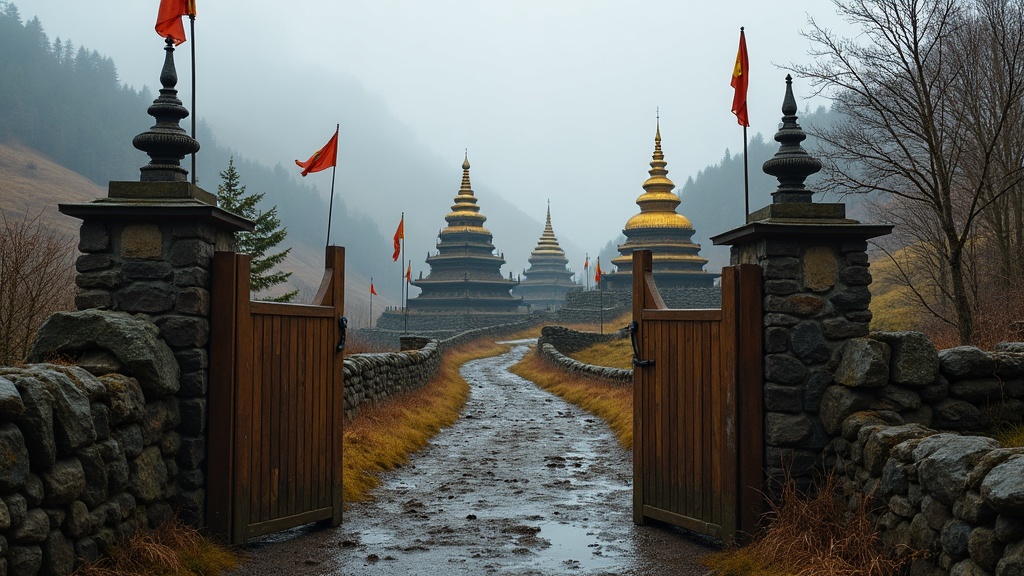
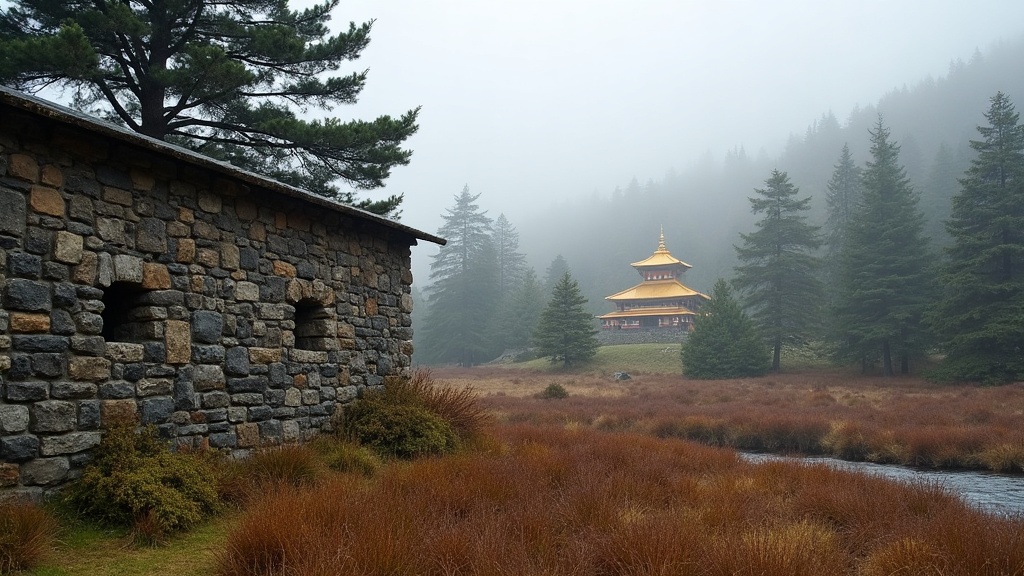
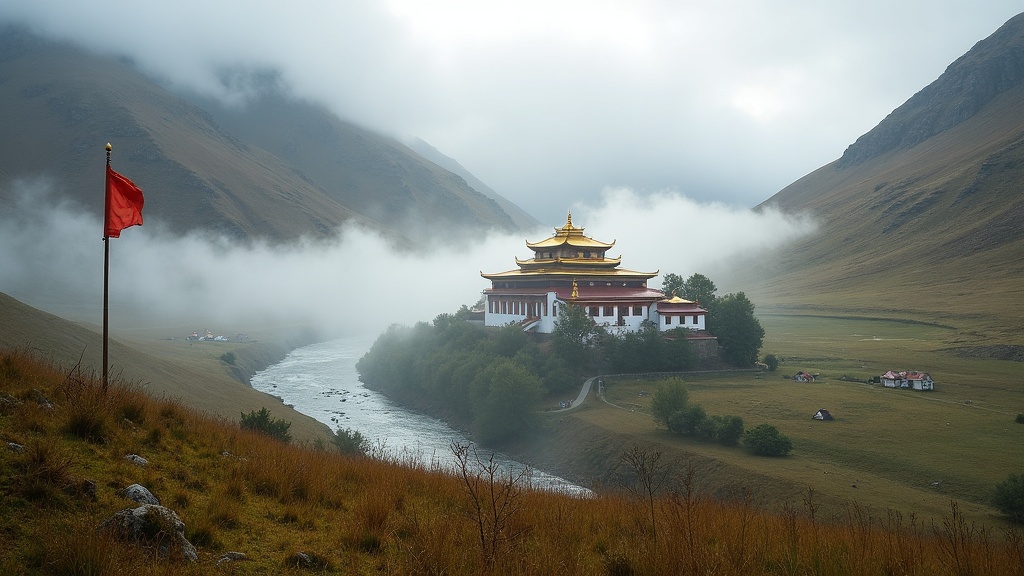
September through November delivers what many regulars consider Kagyu Samye Ling's finest season. The hills blaze with autumn color, mist settles dramatically in the valley, and that particular slant of autumn light makes the temple's colors glow. More significantly, visitor numbers decline after summer while programming remains robust.
Fall attracts a different crowd—less tourist curiosity, more genuine interest. Retreats during these months feel focused without feeling severe, populated by people settling into practice rather than testing it out. The weather turns properly wet and cold by November, but September and October often deliver stunning days between the rain. This season suits both returning practitioners and thoughtful first-timers, offering enough structure and community to support newcomers without summer's potential overwhelm.
Choosing Your Window
For first-time visitors, the shoulder seasons—particularly late spring (April-May) and early fall (September-October)—offer the ideal balance. You'll find the monastery active but not crowded, the weather unpredictable but occasionally glorious, and the community welcoming without being overwhelming. Programs run regularly enough to provide structure, but accommodation rarely books solid.
Practical reality: Eskdalemuir is genuinely remote and decidedly Scottish in climate. Whatever season you choose, bring waterproofs, warm layers, and sturdy walking shoes. Mobile signal is unreliable. The nearest train station requires pre-arranged pickup. This remoteness is precisely the point—the valley's isolation supports the monastery's contemplative purpose across all seasons. Whether you arrive in winter's stark silence or summer's busy bloom, Kagyu Samye Ling offers what it has always offered: space to sit, guidance to practice, and the particular peace that comes from being genuinely, thoroughly away.