Where You'll Stay at Esalen Institute: A Guide to Accommodations
Where You'll Stay at Esalen Institute: A Guide to Accommodations
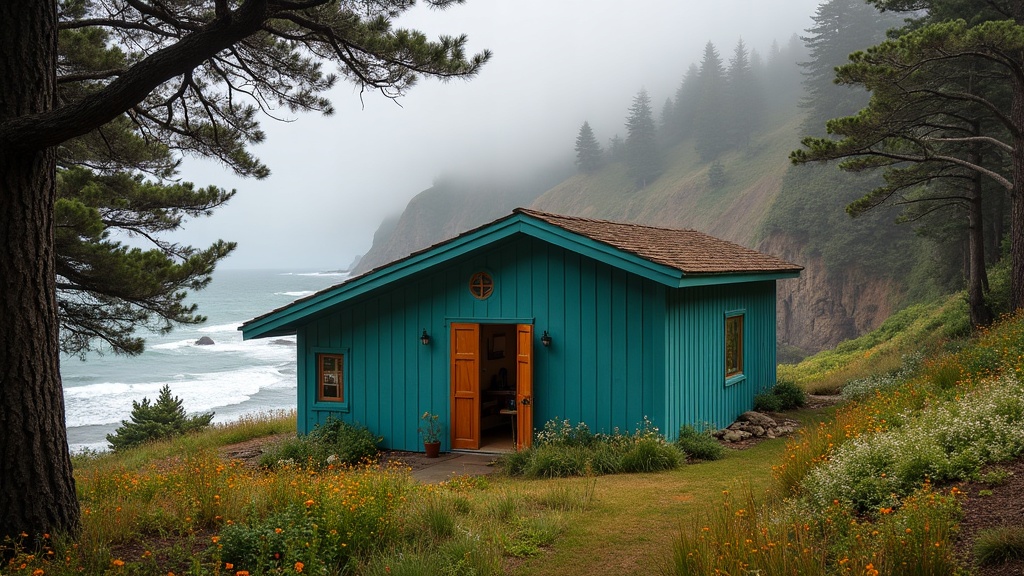
Choosing where to sleep at Esalen means weighing more than thread counts and square footage. The institute's lodging philosophy mirrors its broader ethos: comfort matters, but so does what you're willing to release in exchange for being here, perched on this particular granite ledge where California meets the Pacific.
The Room Categories: What You're Actually Choosing
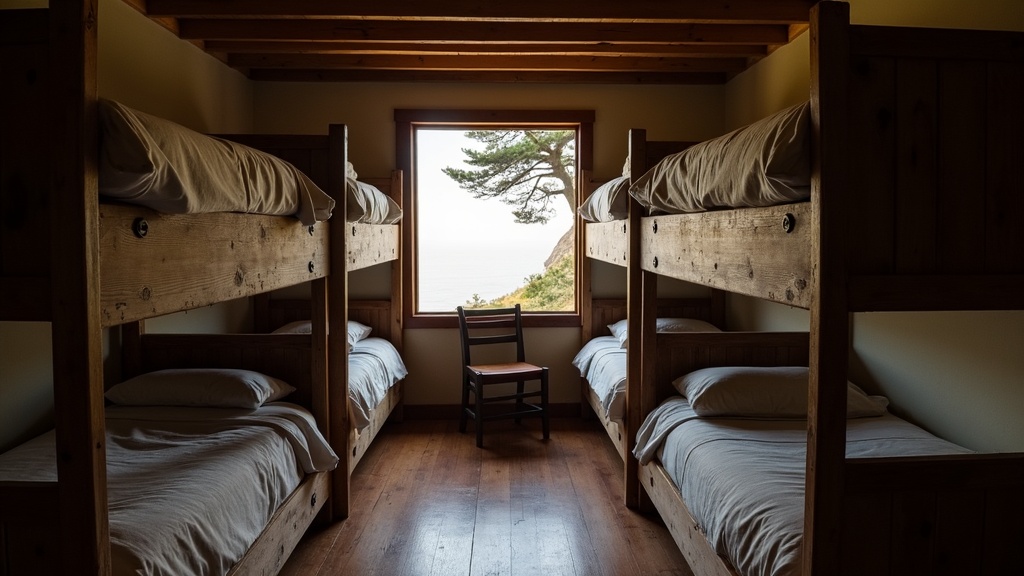
Esalen's accommodations range from shared sleeping quarters to private rooms with ocean views, each priced to reflect both amenities and the institute's commitment to accessibility. The dorm-style bunkrooms represent the most affordable option—simple sleeping spaces with multiple beds where you'll hear your neighbor's breathing and morning alarm. Standard rooms offer more privacy, typically with two twin beds and basic furnishings that won't win design awards but provide a clean, functional retreat between workshops. Deluxe accommodations add private bathrooms, better views, and in some cases, the kind of windows that frame the coastline like a meditation unto itself.
The price differential is significant. You might pay three times more for a deluxe ocean-view room than a dorm bed. The question isn't whether the upgrade is "worth it" in some absolute sense—it's whether privacy and comfort serve or distract from why you've come.
What's Included (And What Isn't)
Every accommodation includes linens and towels, which matters more than it might seem when you're traveling to a remote stretch of Big Sur. You won't need to pack bedding or beach towels for the hot springs. Basic climate control exists, though "basic" is the operative word—we're talking coastal California, not a Marriott. Many rooms have small heaters for foggy mornings, but don't expect precise temperature zones or air conditioning. Windows that actually open do most of the work here.
What you won't find: televisions, phones, or the usual digital infrastructure of modern hospitality. Wi-Fi exists in common areas but not in rooms. This isn't an oversight; it's structural. The accommodations are designed as places to sleep and transition, not destinations in themselves.
The Bathroom Situation
This is where accommodation choices become most tangible. Dorm guests and those in standard economy rooms share communal bathrooms—clean, well-maintained facilities down the hall where you'll shuffle in your robe at odd hours, potentially waiting for a shower after morning movement class when everyone has the same idea.
Private bathrooms in deluxe rooms eliminate this negotiation entirely. You control your schedule, your space, and the ambient noise of your morning routine. For some visitors, this privacy is essential for settling into workshop work. For others, the shared bathroom experience becomes part of the leveling effect—everyone in their robes, everyone equally human before breakfast.
Noise, Neighbors, and Night Sounds
Esalen's buildings sit within hearing distance of the ocean, which means the Pacific provides constant white noise—a gift or an adjustment, depending on your relationship with sound. The accommodations themselves vary considerably in acoustic privacy. In dorm rooms, you're essentially camping indoors. You'll hear everything, and everyone will hear you. Earplugs aren't just recommended; they're survival equipment.
Standard rooms offer more sound buffering, though walls are rarely as thick as you'd find in newer construction. Deluxe options typically provide the most acoustic separation, positioned to maximize both privacy and that persistent ocean soundtrack.
Choosing Your Room: Questions to Ask Yourself
Pick accommodations based on honest self-assessment. If you're coming to Esalen already depleted, needing restoration before you can do deeper work, spring for privacy and quiet. If you're comfortable with communal living and want to stretch your budget toward a longer stay, the dorm option opens that possibility.
Consider also your nervous system's particular requirements. Light sleepers, people who need control over their environment to feel safe, those processing trauma—these aren't luxuries speaking; they're legitimate needs. The deluxe room isn't self-indulgence if it's what allows you to actually do the work you've come for.
The tradeoff with cheaper options isn't just comfort—it's the energy you'll spend managing discomfort and whether that expenditure serves your larger intention for being here.