Your First Visit to Esalen Institute: What to Expect
Arriving at the Edge
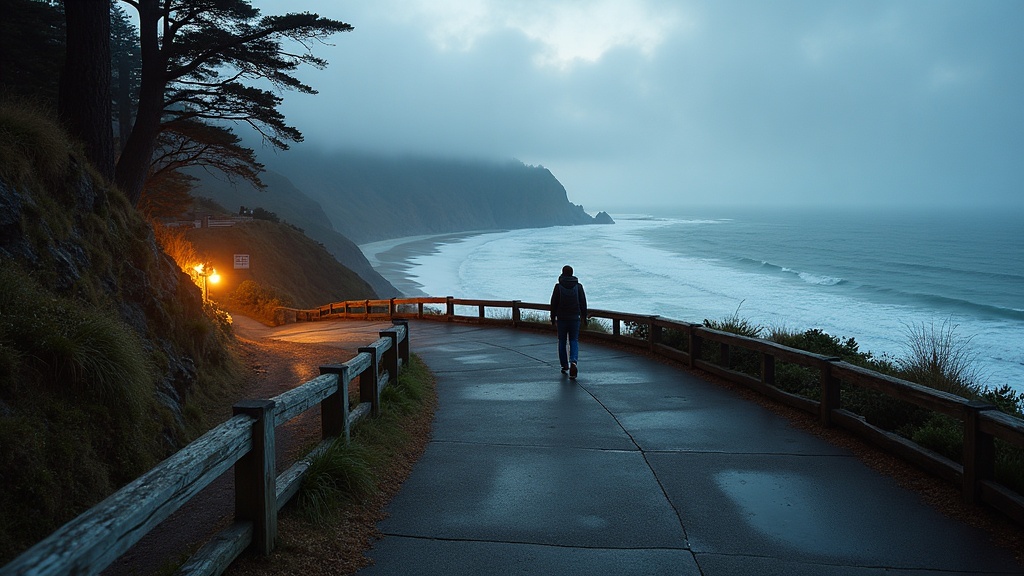
You'll drive Highway 1 south from Carmel or north from San Luis Obispo, though most first-timers come from the north. The road narrows and curves as you climb into Big Sur, and about 45 minutes past Carmel, you'll see a simple wooden sign on the ocean side. Turn in carefully—the entrance comes up fast, and traffic doesn't expect you to slow down.
Check-in happens at the main lodge between 3 and 5 p.m. on your workshop's start day. You'll be early or you'll be cutting it close—that's just the nature of the drive. They know this. Someone at the desk will have your name, hand you a key, and give you a simple campus map with your room circled. If you're staying in shared housing, you'll learn your roommate's name here. Payment is usually handled beforehand, so this part moves quickly. You'll be oriented to meal times, shown where the bathhouse is, and told when your workshop begins—usually with a welcome circle that evening after dinner.
The main thing to understand: you're now off the grid in a specific way. Cell service is nearly nonexistent. The Wi-Fi, if you can find it, is temperamental and discouraged. You're on Esalen time now, which moves differently than what you left behind.
The Rhythm of Days
Mornings at Esalen start early for those who want them to. A meditation bell might ring at 7 a.m., optional and gentle. Breakfast runs from 8 to 9, and most workshops begin by 9:30. The morning session typically goes until lunch at 12:30, though some facilitators build in a mid-morning break.
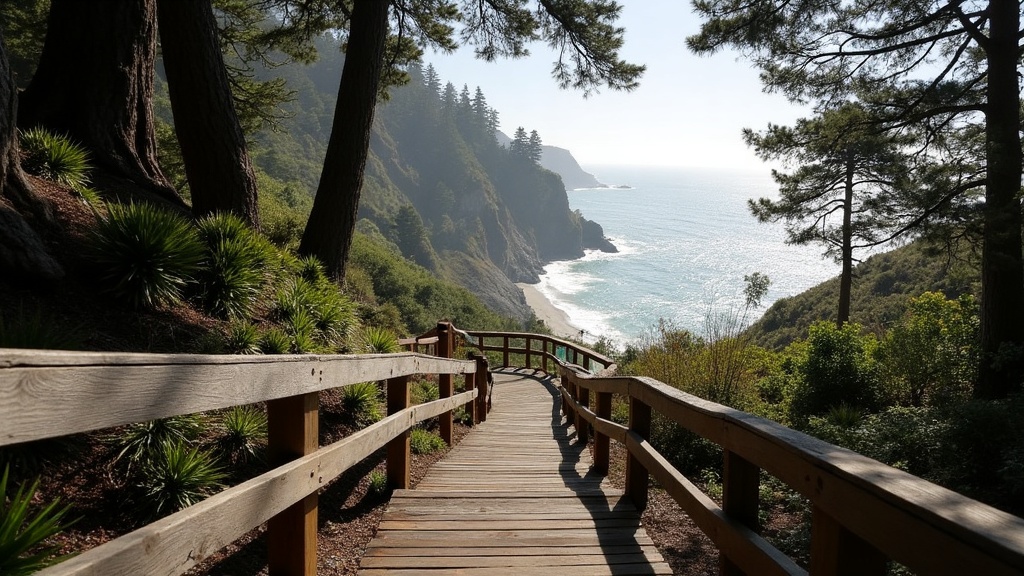
Afternoons are where Esalen distinguishes itself. Many workshops break from 2 to 5 p.m., giving you a solid chunk of unstructured time. This is when you discover what the place actually offers: a massage appointment (book early—spots fill fast), a walk down to the beach, time in the hot springs, or simply lying in the grass above the cliffs. Some people read. Others process what came up in the morning session. A few nap deeply in a way they haven't in years.
Dinner is at 6, also family-style, and evening sessions usually run from 7:30 to 9 or 9:30. After that, the baths are clothing-optional and open until 1 a.m. on most nights. There's a late-night quietness to the place after 10 p.m.—people moving slowly on pathways, the sound of the ocean everywhere, an odd sense that you're somehow both alone and held.
Living Quarters and Sustenance
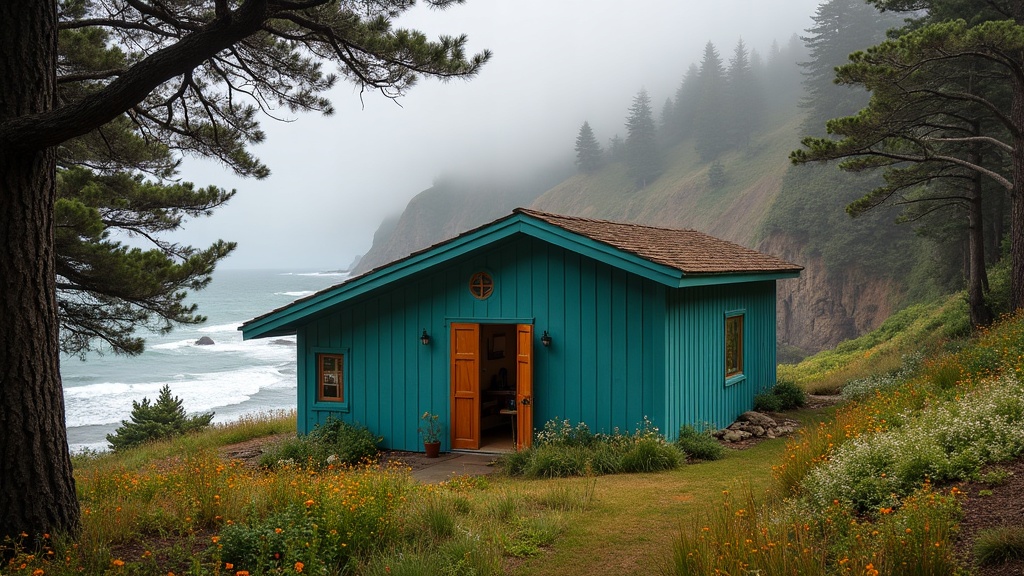
Set your expectations appropriately for the rooms. Esalen is not a spa resort. Accommodations range from basic bunk rooms (where you'll share space with one to three others) to slightly more private options, but "slightly" is the operative word. Expect thin walls, simple furnishings, and a general sense of 1960s rustic utility. Some rooms have ocean views that will break your heart open. Others face the garden or parking area. Bathrooms are often shared, dormitory-style. Bring earplugs if you're a light sleeper. The Pacific is loud at night, and so, sometimes, are your neighbors.
What the rooms lack in luxury, the setting provides in abundance. You're sleeping on a granite ledge above the ocean. Morning fog rolls in thick. Hummingbirds work the red-hot poker plants outside your door.
The food surprises people—it's far better than it needs to be. Meals are served family-style in a dining hall with floor-to-ceiling windows facing the Pacific. The kitchen runs toward organic, vegetarian-forward California cuisine with protein options at most meals. Breakfast might be scrambled eggs, fresh fruit, good bread, and steel-cut oats. Lunch and dinner feature large salads, grains, roasted vegetables, and a main dish that shifts daily. There's always hot tea, usually decent coffee. You sit at long tables with strangers who won't be strangers by day three.
What to Pack (and What to Leave Behind)
Layers are non-negotiable. Big Sur weather shifts dramatically—fog-cold in the morning, warm by midday, then chilled again by evening. A good fleece or hoodie, a light rain jacket, comfortable clothes you can move in for workshop sessions. Walking shoes with traction for steep, sometimes muddy paths. A bathing suit if you're modest about the baths, though most people go without after the first night.
A flashlight or headlamp is essential. The pathways at night are very dark—this is intentional. Toiletries, any medications, a water bottle, and a journal if you're the type. Maybe a book, though you might not read it.
What not to bring: expectations of constant connectivity, work you think you'll finish, rigid plans, or the need to be productive. Also skip hair dryers (most rooms don't have outlets for them anyway) and valuable jewelry. This isn't that kind of place.
The Unwritten Rules
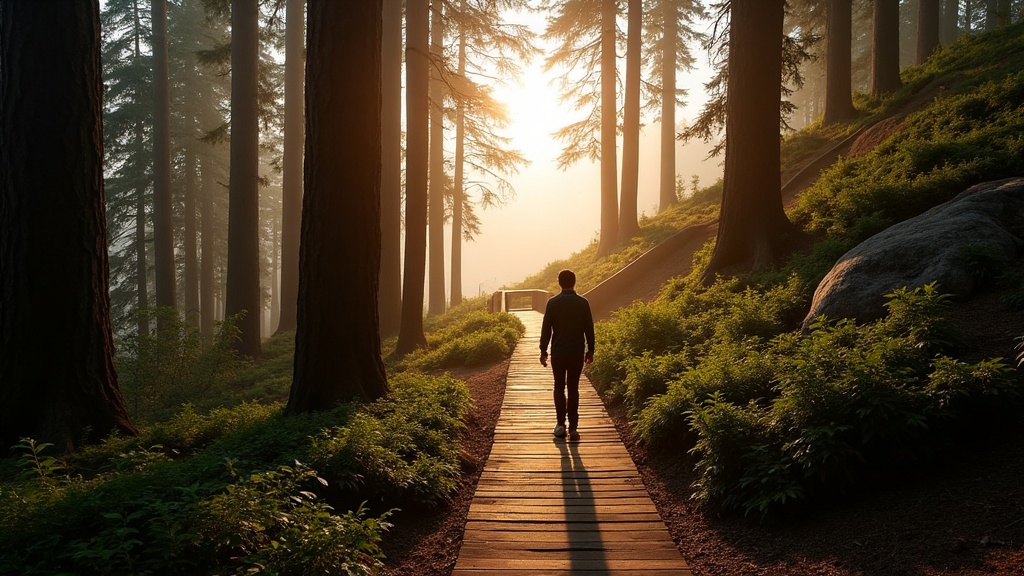
Esalen has a culture, and you'll feel it quickly. Silence isn't enforced, but there's an understanding about noise—people keep voices low on pathways, especially near the baths and in the morning. Phone conversations happen away from communal spaces, if they happen at all.
In the baths themselves, the etiquette is simple: speak quietly or not at all, respect the different temperature pools, and understand that clothing-optional means exactly that—some wear suits, most don't, and nobody cares either way after the first five minutes.
You can leave a workshop session if you need to. This happens more than you'd think. Something lands hard, or you need air, or you're just done for the moment. Most facilitators build this permission into their opening remarks.
What First-Timers Don't Expect
The emotional intensity surprises people. Whatever workshop you've signed up for—writing, movement, gestalt practice, couples work—it will probably go deeper faster than you anticipate. This is the Esalen method: the body doesn't lie, and the group knows how to hold what emerges. Some people cry in sessions. Others break through into joy. Most experience both.
The other surprise is structural. Esalen asks something countercultural of you: to not be entertained, to not be constantly stimulated, to sit with whatever boredom or discomfort arises. The afternoon break that looked so generous on paper might feel uncomfortably empty at first. You'll reach for your phone and remember it doesn't work. Then something shifts. You notice the light on the water. You have a conversation that matters. You remember what your own mind sounds like.
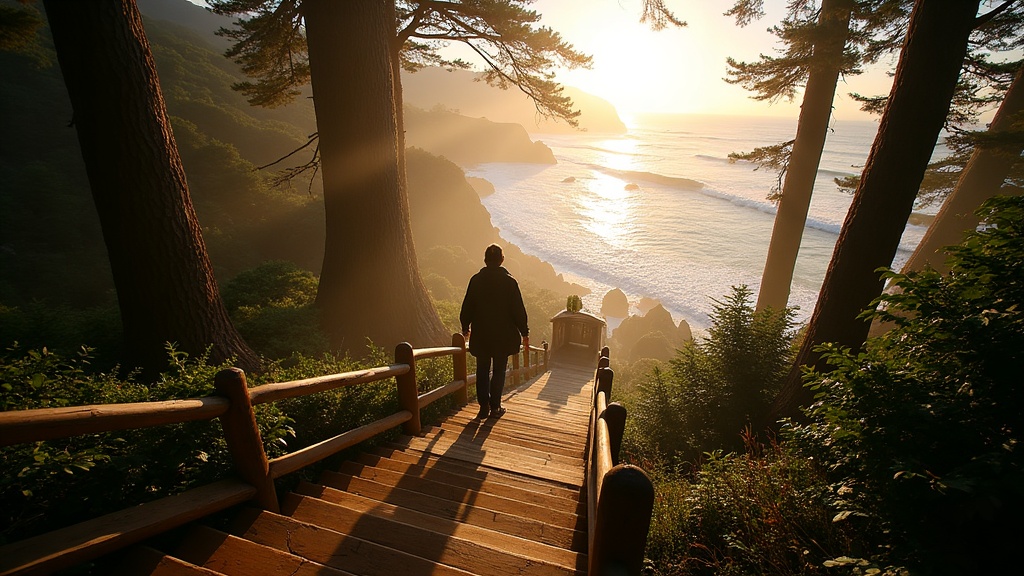
You'll leave different than you arrived. Not transformed, necessarily—Esalen isn't selling that—but changed in small, specific ways. More aware of where you hold tension. More honest about what you've been avoiding. More certain that you needed those days at the edge of the continent, watching steam rise from mineral water while the Pacific broke white against black rock below.