Eating at Cortijo Romero: The Food Experience
Eating at Cortijo Romero: The Food Experience
Nestled in the Andalusian hills, Cortijo Romero has built a reputation not just for personal development retreats, but for a dining experience that embodies its holistic philosophy. The food here isn't an afterthought—it's an integral part of the transformative experience guests seek in this corner of southern Spain.
A Philosophy of Nourishment
The kitchen at Cortijo Romero operates on a purely vegetarian foundation, drawing heavily from Ayurvedic principles while incorporating the vibrant flavors of Mediterranean cuisine. This isn't about restriction; it's about thoughtful abundance. The philosophy centers on food as fuel for both body and spirit, supporting the intensive personal development work that brings most guests to the center.
The commitment to vegetarian cooking stems from both ethical and practical considerations. Staff explain that plant-based meals support clearer thinking during workshops, aid digestion, and align with the center's environmental values. The Ayurvedic influence means attention to spices that aid digestion, seasonal eating, and balance in every meal. Don't expect bland health food—the kitchen uses this framework to create deeply satisfying, flavor-forward dishes.
The Daily Rhythm of Meals
Breakfast at Cortijo Romero is a generous spread served buffet-style from 8:00 to 9:30 AM. Expect fresh fruit, homemade granola, local bread, tahini, almond butter, and house-made jams. There's always porridge available, along with yogurt and a savory option like scrambled tofu or Spanish tomato bread. Coffee, tea, and fresh juices round out the morning offerings.
Lunch, the main meal of the day, honors the Spanish tradition of a substantial midday feast. Served around 2:00 PM, it typically includes a hearty soup or salad, a main dish that might feature lentil stews, vegetable paellas, or creative pasta dishes, and always a fresh salad bar with local vegetables. The kitchen excels at dishes that feel comforting rather than virtuously spartan—think Moroccan-spiced chickpea tagines or Greek-inspired moussaka.
Dinner arrives lighter, usually around 7:30 PM, with soups, grain bowls, or vegetable-forward plates designed not to weigh you down before evening activities or early bedtimes. The portions are generous but not overwhelming, calibrated for people engaged in physical activities like yoga or hiking.
The Dining Experience
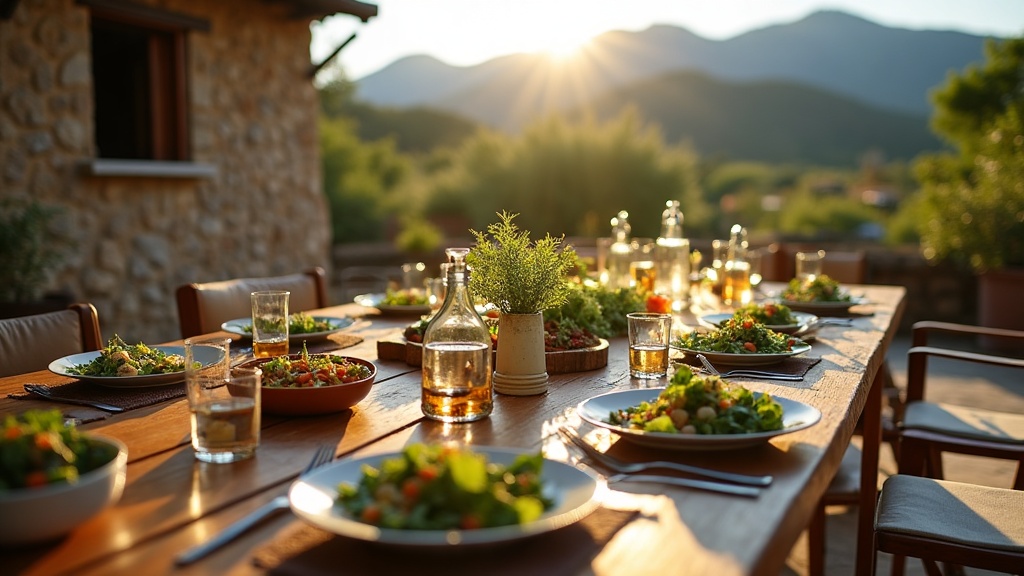
Meals unfold in a spacious dining room that opens onto terraces with views across the valley. The atmosphere strikes a balance between communal and contemplative—long wooden tables encourage conversation, while smaller tables offer quieter options. During warmer months, many guests drift outside to eat under the pergola, surrounded by jasmine and bougainvillea.
The dining room operates on a gentle schedule rather than rigid seatings, allowing guests to arrive within a window that accommodates different workshop timings. There's an unstated etiquette of mindful eating; while conversation flows freely, the pace tends toward the leisurely rather than rushed.
Accommodating Individual Needs
The kitchen takes dietary requirements seriously and with grace. Vegan options appear at every meal as standard, not as special requests. Gluten-free breads and alternatives are consistently available, and the staff manages allergies and intolerances with careful attention and genuine accommodation rather than begrudging adjustment.
Guests are asked to notify the center of dietary needs in advance, and the kitchen maintains detailed lists to ensure no one goes hungry or feels like an afterthought. The vegetarian baseline actually makes this easier—there's no parsing of meat broths or hidden animal products.
Between-Meal Sustenance
A tea and coffee station remains accessible throughout the day in the dining area, with herbal teas, fruit, and usually some form of homemade cake or cookies available for mid-morning and afternoon energy dips. Fresh fruit bowls appear regularly, and there's always access to bread and spreads for those needing a snack between workshops.
The Caffeine Question
Coffee is available but not emphasized. There's real coffee at breakfast and throughout the day, but the center gently encourages moderation, keeping exceptional herbal teas and tisanes prominently displayed. It's not a rule—just a subtle invitation to experiment with less stimulation.
Special Food Events
Some retreats incorporate cooking workshops or special meal ceremonies, particularly those focused on Ayurvedic principles or mindful eating practices. Occasionally, themed dinners celebrate seasonal festivals or cultural traditions, adding celebratory moments to the weekly rhythm.
The food at Cortijo Romero won't satisfy those seeking gourmet innovation or meat-centric dining, but for what it aims to be—nourishing, thoughtful, and supportive of inner work—it succeeds admirably.