Best Programs at Cortijo Romero for Beginners
Best Programs at Cortijo Romero for Beginners
The fear is always the same: you'll be the only person who can't touch their toes, who's never meditated, who doesn't know what "embodiment work" means. You imagine walking into a room of lithe yoga devotees who've been on seventeen retreats and speak fluently about their chakras. You'll be exposed as a fraud within the first hour.
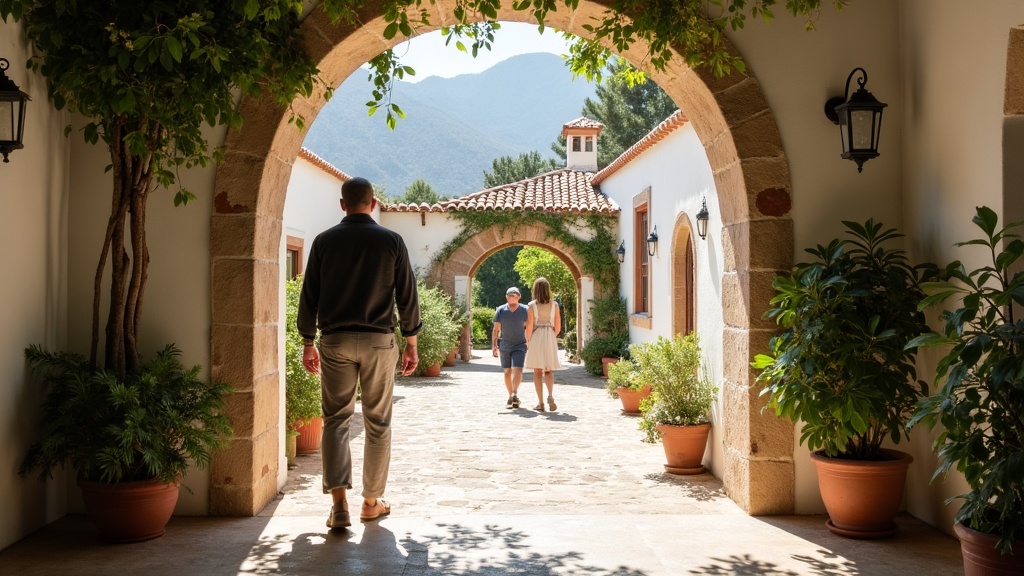
Here's what actually happens: you arrive anxious, sit down for the welcome circle, and realize half the room looks as uncertain as you feel. The person next to you admits it's their first retreat. Someone else confesses they Googled "what to wear to a creative workshop" the night before. The fear is universal, which means it dissolves quickly once you're there.
The warranted version of this fear applies only if you book something wildly mismatched to your experience—a week-long intensive when you've never done a weekend workshop, or an advanced technique-focused program when you're not sure what tradition you're even interested in. Everything else is nerves masquerading as good judgment.
Programs That Actually Work for First-Timers
Creative workshops top the list because they give your hands something to do while your brain adjusts to retreat pace. Painting, writing, or ceramics programs let you focus on an object or page rather than sustained internal exploration. You're learning a skill, which feels productive and concrete, while the deeper work happens sideways. No one expects you to arrive knowing anything about acrylics or narrative structure.
Gentle movement and yoga-based retreats work because the instruction is explicit. You're told where to put your foot, when to breathe, what comes next. This structure helps when you're already managing the disorientation of a new environment. Choose programs advertised as "beginner-friendly" or "all levels" rather than those mentioning specific styles like Ashtanga or Vinyasa flow without qualification.
Personal development workshops with clear themes—communication skills, life transitions, building confidence—give you a container. You know what you're working on. This is better than open-ended "self-discovery" retreats that assume you're comfortable with unstructured exploration. You want guardrails for the first one.
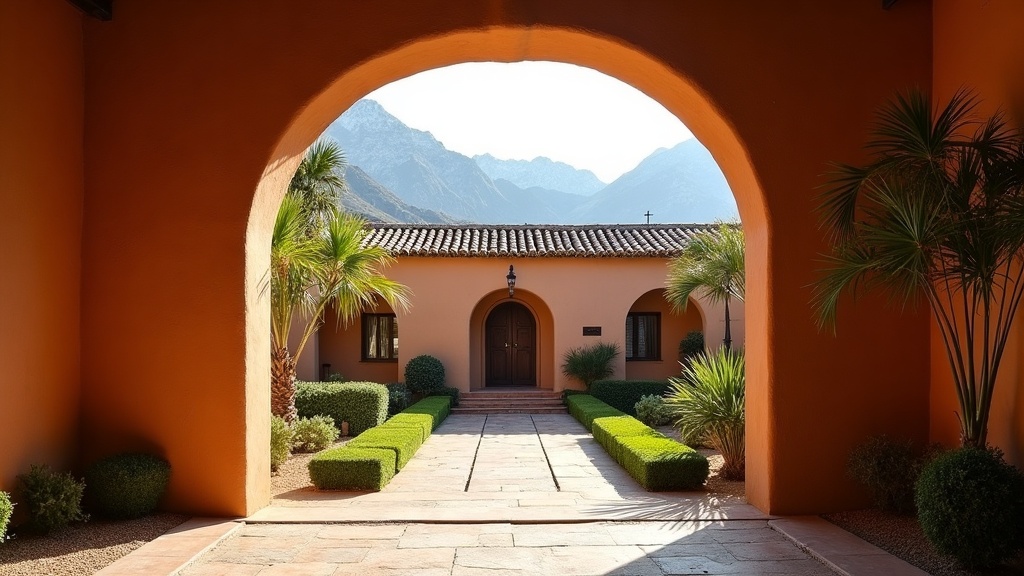
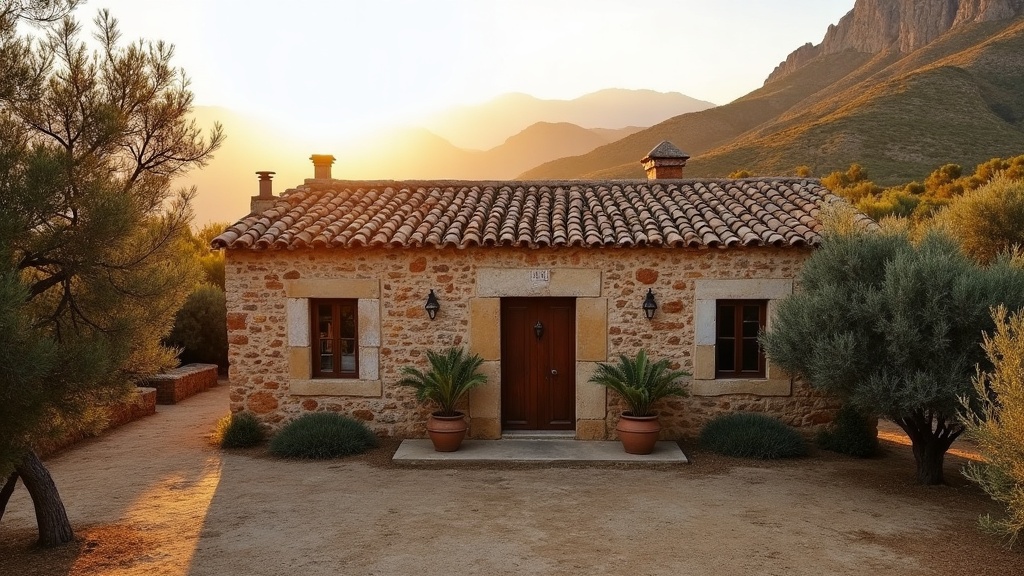
Nature and walking retreats work if you're someone who processes experience through landscape and physical movement rather than sitting still. The rhythm of walking creates natural breaks in intensity. The Andalusian setting at Cortijo Romero makes this particularly viable—the environment does half the work of helping you settle.
Weekend workshops in any of these categories represent the best entry point. Forty-eight hours is enough to experience what a retreat feels like without committing to a full week when you're not sure you'll like communal dining or sharing studio space with strangers.
What "Level" Actually Means Here
At a non-denominational, holistic center like Cortijo Romero, "level" usually refers to familiarity with retreat culture itself rather than technical skill. An "all levels" yoga retreat means they'll show you how to use a bolster and won't assume you know what savasana is. An intermediate creative program might assume you're comfortable working independently for stretches rather than needing step-by-step guidance.
The real marker of level is this: beginner programs build in more social time, more explanation of what's happening and why, and more optionality. Advanced programs assume you know when you need to skip a session to integrate, that you'll speak up if something doesn't work for you, and that you can handle longer periods of unstructured time.
Skip These Until Your Second or Third Retreat
Avoid intensive personal development work that focuses on trauma or shadow work. These programs assume you know how to resource yourself when difficult material surfaces. They move faster and dig deeper because they're designed for people who've done this before.
Silence retreats are terrible first experiences. You need to know what your baseline retreat experience is before you remove talking as an option.
Week-long programs of any kind carry risk as a first retreat. If you hate it on day two, you have five more days. The exception: if the only program that calls to you is a week-long, and you have the option to leave early without financial penalty, trust that and book it.
Weekend, Five Days, or Full Week?
Book a weekend unless you're certain retreating suits you because you've done day-long workshops or you're someone who needs three days just to stop thinking about work. The five-day format is for people who've done a weekend and want more but aren't ready for a full week's immersion. Book a full week only when you've already experienced what it's like to be away from your routine and you actively crave longer.
When You're Ready for More
You're ready for advanced offerings when you leave a retreat wishing it had gone further. When you feel the program held back and you wanted more challenge, less explanation, faster pacing. When you know what traditions or approaches work for your particular nervous system and psychology. When you stop wondering if you belong and start choosing programs based on what you want to learn rather than what feels safe.