
Where to Start with Anandra George: A Beginner's Guide
Begin with Tokyo Lakshmi
Your entry point is "Tokyo Lakshmi," Anandra George's 2017 single. This single track distills everything essential about her approach: devotional chanting rooted in bhakti tradition, delivered with accessible warmth. The Lakshmi mantra—honoring the goddess of abundance and beauty—offers an immediate, visceral experience of kirtan without requiring any background knowledge. You'll hear how Anandra uses repetition not as monotony but as portal, each cycle of the chant creating space for something to shift inside you. The collaboration noted in the title (with アーナンドラ・ジョージ, her name in Japanese) hints at her work bridging Eastern devotional practice with global audiences.
After Tokyo Lakshmi: Your Next Steps
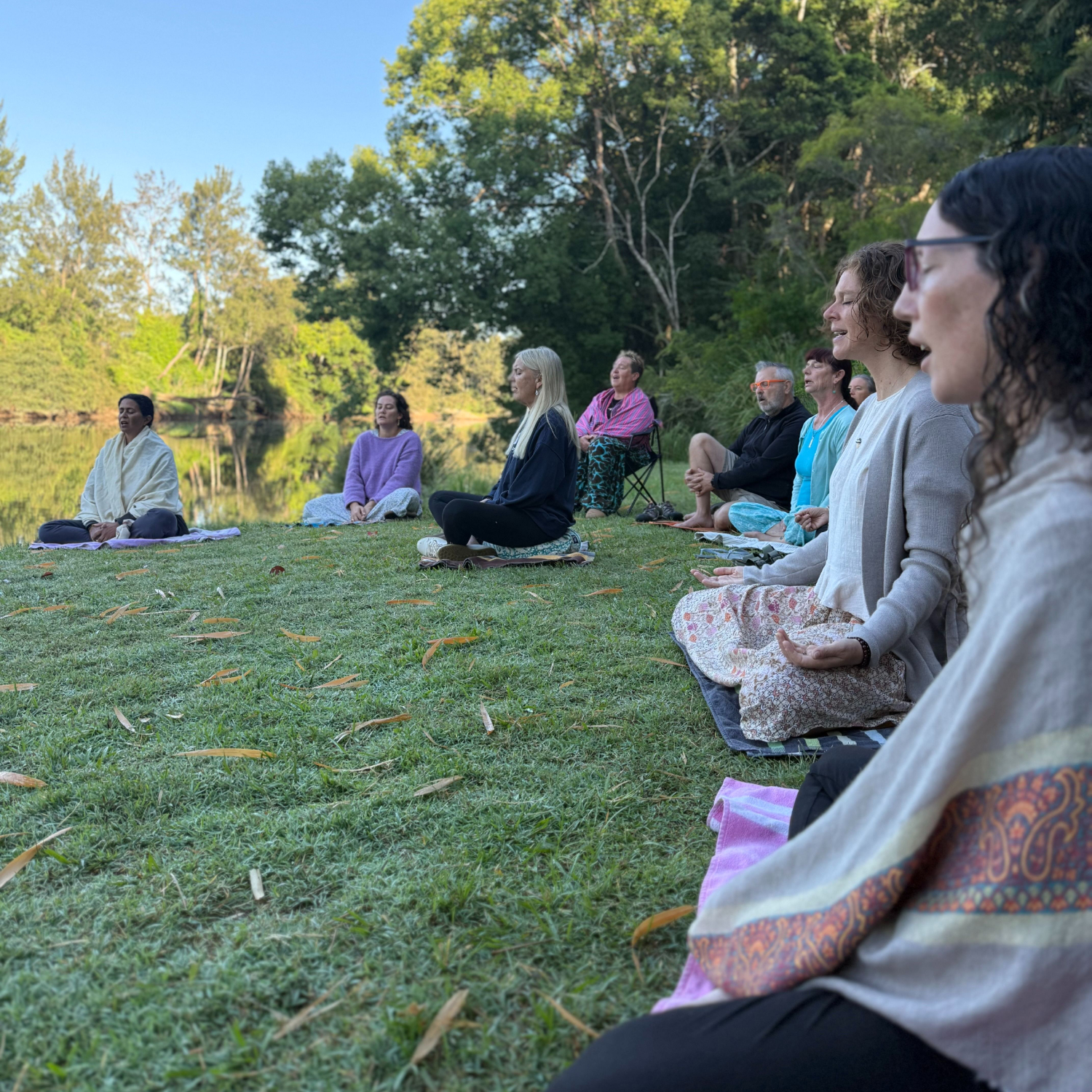
Once Tokyo Lakshmi has opened the door, attend one of her live kirtan sessions if geographically possible. Kirtan is participatory by nature—you're meant to chant along, not simply listen—and the recorded single only hints at the communal energy of group practice. The call-and-response structure becomes completely different when you're adding your voice to dozens or hundreds of others.
Then, explore her workshops or retreats. Anandra structures these experiences to move beyond the music itself into understanding kirtan as spiritual technology. You'll learn why certain Sanskrit syllables are chanted, how rhythm and breath work together, and what bhakti (devotional) practice means in contemporary life. Her teaching style, shaped by both Indian classical music training and her childhood immersion in devotional song, makes ancient practices tangible for modern seekers.
If attending live events isn't feasible, look for her teacher trainings or online workshops. These provide the context that recorded music alone can't deliver.
What to Expect on First Encounter
Expect simplicity that feels profound rather than simplistic. Anandra doesn't embellish unnecessarily—her arrangements trust the mantras themselves to do their work. You might feel self-conscious at first if chanting is new to you. Your voice will sound strange in your own ears. The Sanskrit words will stumble on your tongue. This awkwardness is part of the process, not a barrier to it.
The experience is less performance and more meditation-in-motion. Don't expect theatrical production or complex musical arrangements. Instead, expect to be invited into something that feels both ancient and immediate, formal and intimate.
Common Misunderstandings
Beginners often mistake kirtan for concert-going. You're not an audience member; you're a participant. Sitting silently defeats the purpose. The "performance" happens collectively, between leader and chanters, not from stage to seats.
Others approach kirtan as exotic entertainment, a sonic vacation to somewhere "spiritual." Anandra's work isn't about cultural tourism. The practices she teaches have specific intentions—cultivating devotion, quieting mental chatter, opening the heart. Engagement with these intentions matters more than perfect pronunciation.
Some expect instant transcendence. Kirtan can produce powerful experiences, but it's fundamentally a practice, not a quick fix. The transformation comes through repetition over time, not one ecstatic session.
When This Work Lands Hardest
Anandra's teaching finds you at transitional moments. When you're questioning what spirituality means outside organized religion. When meditation practice feels too solitary and you're craving community. When you've been hurt and need practice that welcomes emotion rather than demanding its suppression. When you're exhausted by cynicism and ready to explore devotion without embarrassment.
The work also lands during creative dry spells. The structure of kirtan—its repetitive, almost trance-like quality—can bypass the critical mind and reconnect you to creative flow.
Your One-Week Starter Plan
Day 1-2: Listen to Tokyo Lakshmi twice daily. Once, just listen. The second time, try chanting along quietly, even if you're uncertain about the words.
Day 3-4: Research Lakshmi and the bhakti tradition for 20 minutes. Context enriches practice. Then chant along with Tokyo Lakshmi, understanding what you're invoking.
Day 5: Chant Tokyo Lakshmi from memory, or as close as you can manage. Notice what happens when you're not reading or following along.
Day 6: Find a local kirtan gathering or locate one of Anandra's online workshops. Register for something in the next month.
Day 7: Reflect on the week. What shifted? What felt uncomfortable? What are you curious about?
Commit to this week fully. Kirtan rewards sincerity, not expertise.