The History of The Yoga Barn
The History of The Yoga Barn
In the heart of Ubud, where rice paddies meet artisan workshops and the forest hums with spiritual seekers from every corner of the globe, The Yoga Barn has become something of a pilgrimage site—though its founders might shy away from such lofty language. What began in December 2007 as a modest two-studio bamboo structure offering four classes a day has quietly grown into Southeast Asia's most comprehensive yoga and healing center, a sprawling wellness village that now hosts over 180 classes weekly across eight studios.
Origins: A Meeting of Worlds
The story begins not in Bali, but in the unlikely convergence of two very different paths. Meghan Pappenheim arrived from New York carrying an anthropology degree, a fascination with Balinese folk art, and formative time spent as a resident at the Himalayan Institute ashram. Made 'Dekgun' Gunarta brought something equally valuable: deep Balinese roots, architectural vision, and a family lineage of community stewardship—his great-grandfather had led the restoration of Ubud's Sacred Monkey Forest.
Their first collaborative venture wasn't The Yoga Barn at all, but KAFE, a restaurant on Jalan Hanoman that opened in 2004. Almost as an afterthought, they added a small yoga shala on the third floor. Classes were by donation only and capped at eight students—intimate gatherings that nevertheless revealed something the founders couldn't ignore: a hunger for authentic practice space in this rapidly growing spiritual hub.
The Founding Vision
When Charley Patton wandered into their orbit in 2005, the constellation was complete. Patton had fled California's corporate corridors on what was meant to be a two-week bicycle stopover. Like so many before and since, he stayed. The three recognized an opportunity to create something Ubud desperately needed: not just another yoga studio, but a genuine community center that honored both Balinese tradition and the increasingly diverse practices flowing through the island.
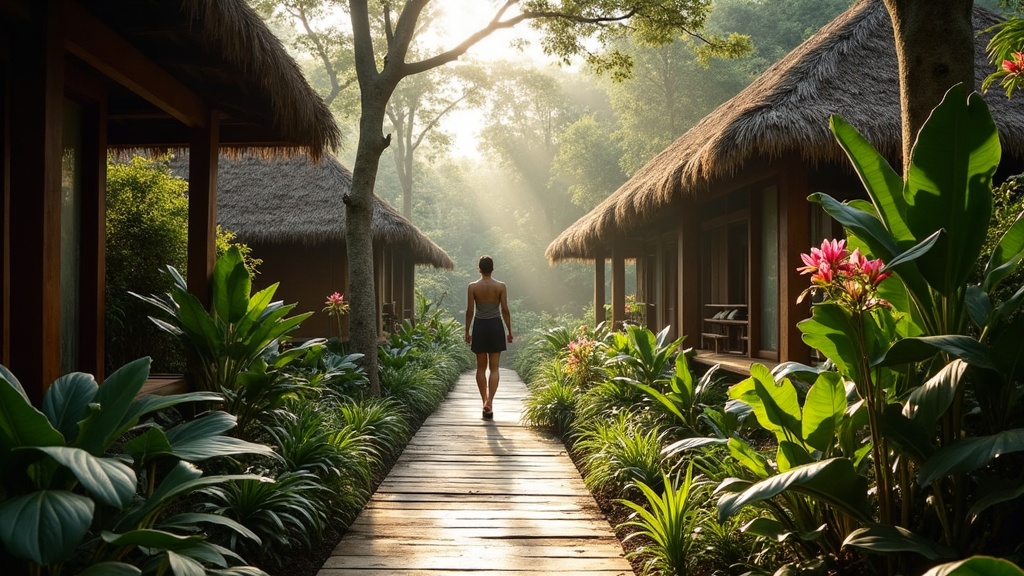
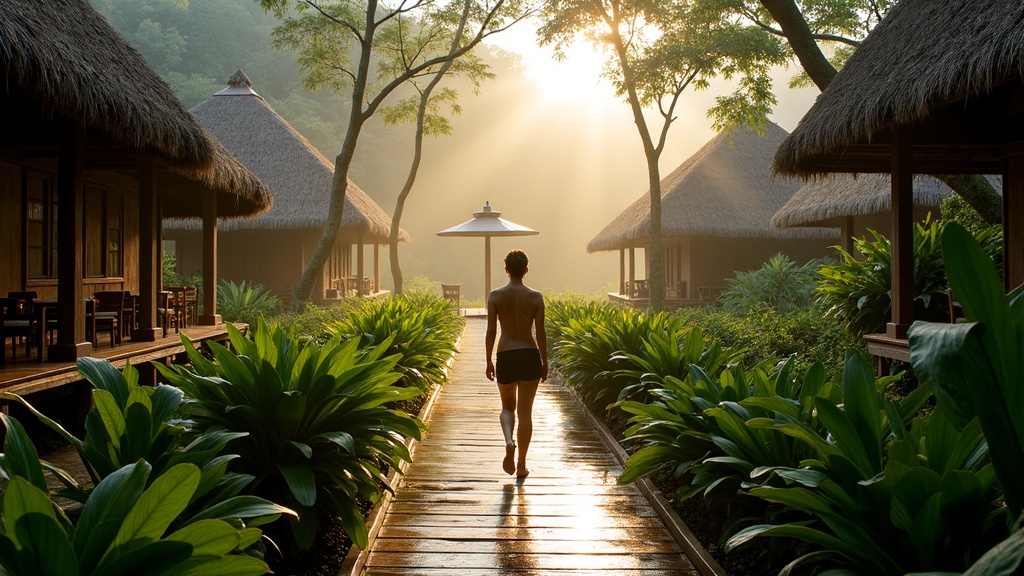
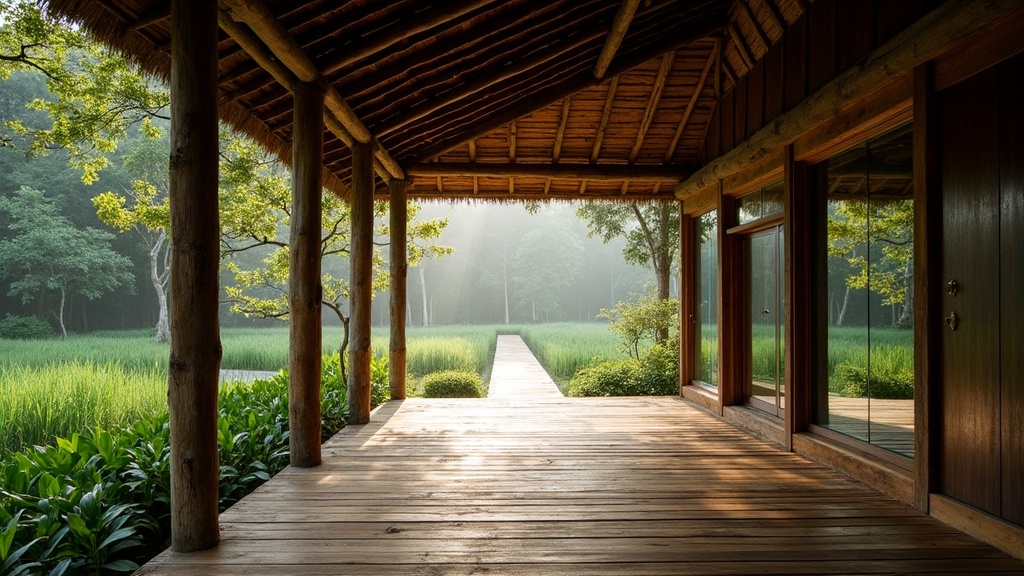
The Yoga Barn opened its doors in December 2007 with an ethos as important as its architecture—Dek's indigenous wooden structures nestled into the landscape rather than dominating it, creating spaces that felt like natural extensions of Bali's sacred geography.
Evolution and Expansion
What distinguishes The Yoga Barn's growth story is its refusal to narrow its offerings. While many centers choose a single lineage or style, the founders embraced multiplicity from the beginning. Hatha and Vinyasa Flow formed the foundation, but they made room for Kundalini's breathwork intensity, Yin Yoga's meditative stillness, and Ashtanga's disciplined sequences. Aerial yoga classes added playful dimension. Ecstatic dance sessions and kirtan gatherings honored Bhakti tradition. Sound healing, Qi Gong, and Ayurvedic consultations rounded out an increasingly holistic vision.
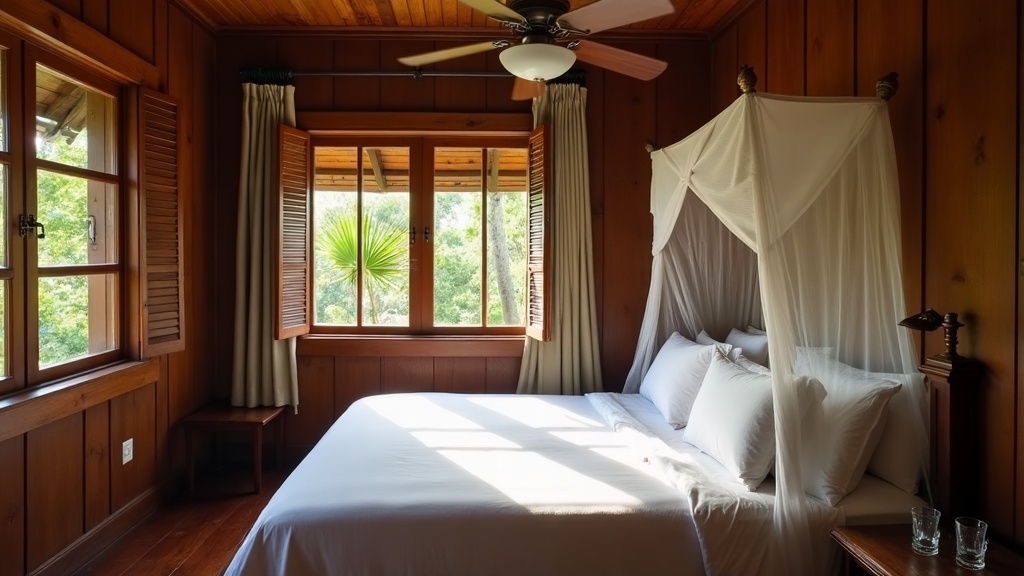
The physical space grew accordingly. Two studios became four, then eight. A healing center emerged, offering dozens of modalities under one roof. Guest accommodations were added, allowing visiting students to immerse themselves fully in the rhythms of practice. Perhaps most tellingly, the vegetarian café evolved into what many consider Ubud's wellness community living room—a place where solo travelers become friends over turmeric lattes and where teachers and students dissolve the usual hierarchies over nourishing food.
A Living Institution
Today, The Yoga Barn functions less like a business and more like an ecosystem. Its weekly schedule reads like a comprehensive survey of contemporary wellness practice, yet nothing feels diluted or tokenistic. The integration of Balinese Hindu ceremony and philosophy runs through everything, honoring the land and culture that makes this all possible.
The center has become a training ground for teachers, a refuge for travelers in transition, and a place where serious practitioners can drop in for years or just a season. Its distinctive character emerges from this very inclusivity—the recognition that transformation arrives through different doorways for different souls.
The Barn Today
Walk through The Yoga Barn on any given morning and you'll encounter the full spectrum: beginners sweating through their first sun salutations, advanced practitioners floating through arm balances, elderly visitors finding relief in gentle movement, and Balinese staff bringing decades of local wisdom to every interaction. The wooden studios, weathered now by tropical rains and countless exhales, feel less like buildings and more like containers for something ongoing and alive.
It remains, at its core, what its founders envisioned: not a temple to any single tradition, but a village square where many paths intersect. In a world of wellness trends and Instagram spirituality, The Yoga Barn endures as something rarer—a place built with patience, rooted in genuine respect, and devoted to the simple proposition that transformation happens in community.