Best Time to Visit Sivananda Yoga Ranch: A Seasonal Guide
Best Time to Visit Sivananda Yoga Ranch: A Seasonal Guide
Nestled in the rolling Catskill Mountains of upstate New York, the Sivananda Yoga Ranch transforms dramatically with each passing season. This ashram-style retreat center, just two hours north of Manhattan, offers a different flavor of practice depending on when you arrive. Understanding these seasonal rhythms can help you choose the timing that best matches your intentions.
Winter: Inward Focus and Silent Contemplation
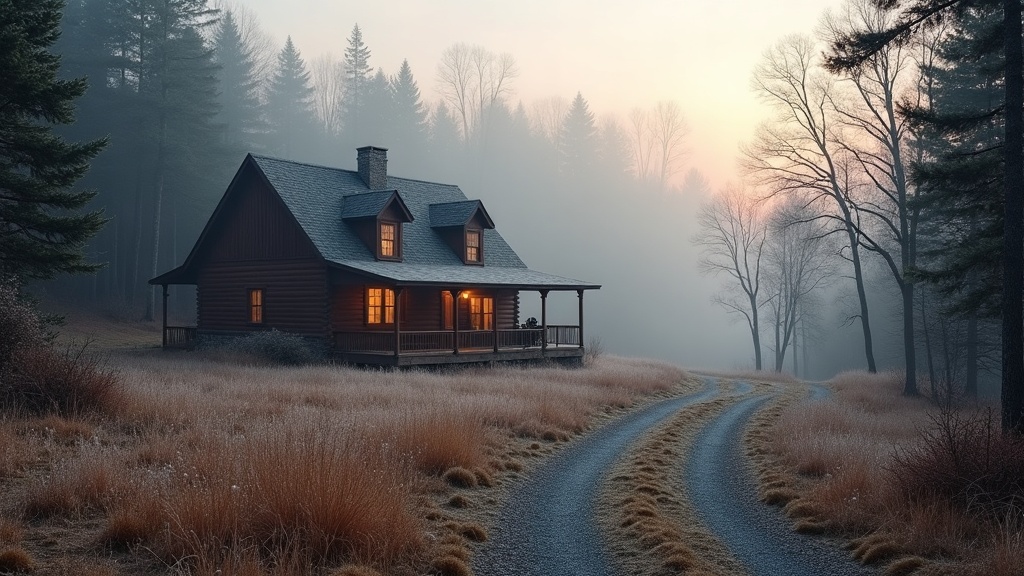
December through February brings a hushed quality to the Ranch that serious practitioners treasure. Snow blankets the 77-acre property, muffling sound and creating a natural monastery atmosphere. The bare trees reveal long views across the valley, and wood stoves crackle in the main buildings, creating pockets of warmth that make the contrast with cold meditation halls feel purposeful rather than punishing.
Winter programs lean heavily toward intensive study and teacher training modules. You'll find fewer weekend workshops and more month-long Yoga Teacher Training courses, which draw dedicated students willing to commit to deep practice during the darkest months. The setting suits those seeking genuine retreat from the world—people comfortable with early darkness, simple vegetarian meals by the fire, and the kind of silence that lets you hear your own thoughts clearly for perhaps the first time in years.
The population drops significantly compared to summer, sometimes to just a handful of guests outside of scheduled trainings. This quiet can be precisely what transforms a visit from pleasant to profound, though it may feel austere to those expecting a more social wellness experience.
Spring: Renewal and Growing Energy
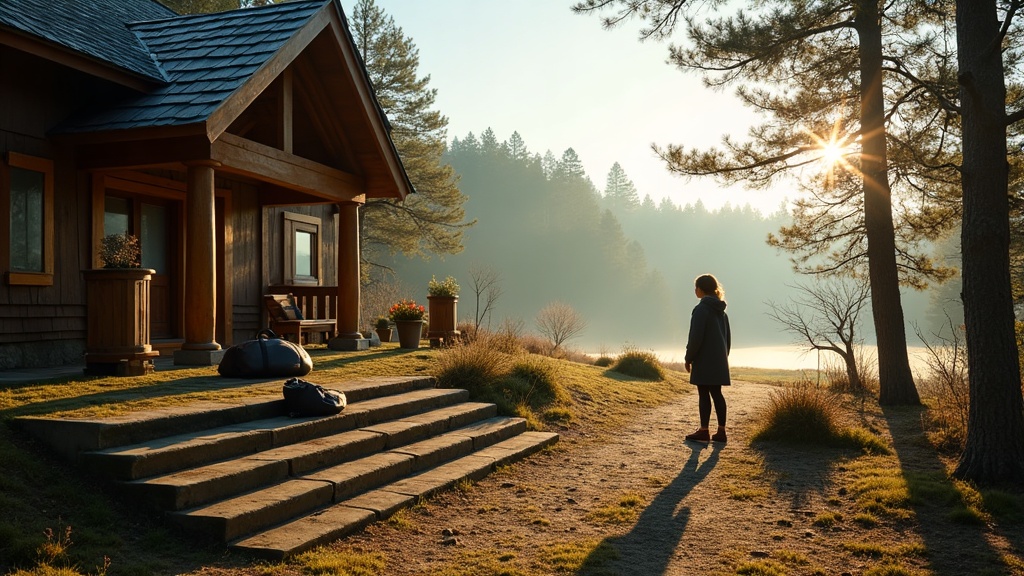
March through May mirrors the classical yogic concept of rebirth. Mud season gives way to flowering dogwoods, and the property awakens with an almost audible exhale. Morning sadhana (spiritual practice) happens with birdsong streaming through open windows, and afternoon karma yoga—the ashram tradition of selfless service—often means working in the organic gardens as they're prepared for planting.
Spring programming expands to include more weekend intensives and specialized workshops as the weather warms. Easter and Passover weeks often feature fuller schedules, drawing families and those with holiday time to spend. The atmosphere becomes noticeably more social than winter while maintaining a contemplative quality that summer sometimes loses.
First-time visitors in spring benefit from moderate temperatures for the twice-daily outdoor nature walks, and the Ranch feels spacious without feeling empty. Locals say late April and May offer the sweet spot before black fly season and summer crowds arrive—though you'll want layers for cool mornings and evenings.
Summer: Full Capacity and Festival Energy
June through August transforms the Yoga Ranch into its busiest, most vibrant iteration. Teacher trainings run at full capacity, weekend workshops fill weeks in advance, and the property hums with activity from morning satsang (spiritual gathering) through evening kirtan (devotional chanting). Children's programs run during certain weeks, and the pond becomes a social hub between sessions.
The lush Catskills summer means practice can happen on outdoor platforms, meals are often taken at picnic tables under ancient trees, and the extended daylight hours create space for longer workshops and intensives. This is when the Ranch most resembles a traditional Indian ashram in its full community expression—bustling, sometimes chaotic, always alive with intention.
Summer suits social learners who thrive in group energy and don't mind sharing bathroom facilities with more people. The vegetarian buffets accommodate the largest crowds, and you'll forge connections easily. However, those seeking solitude or quiet contemplation may find the crowded dormitories and packed schedule overwhelming. Book months ahead for July and August visits.
Fall: The Golden Season
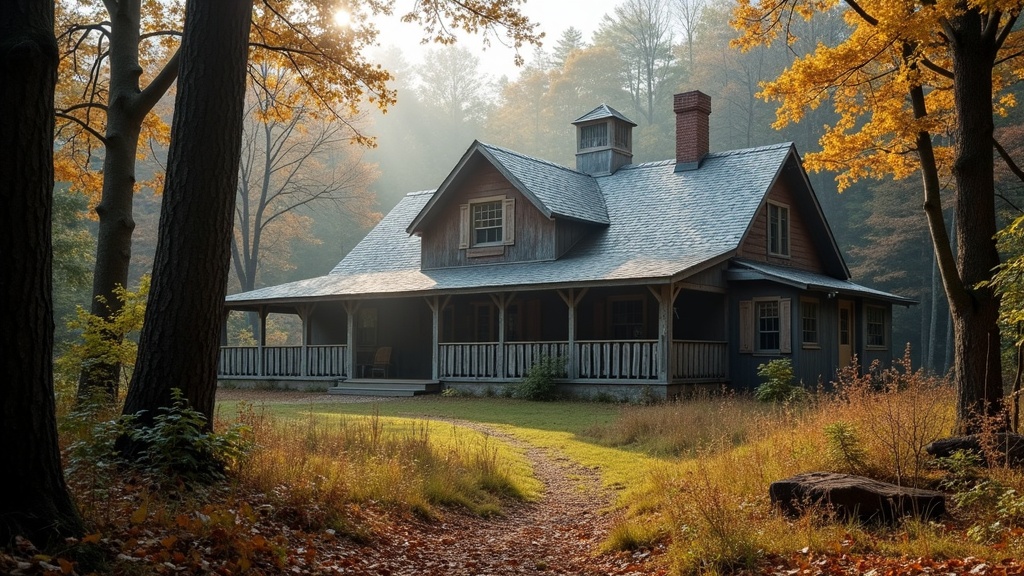
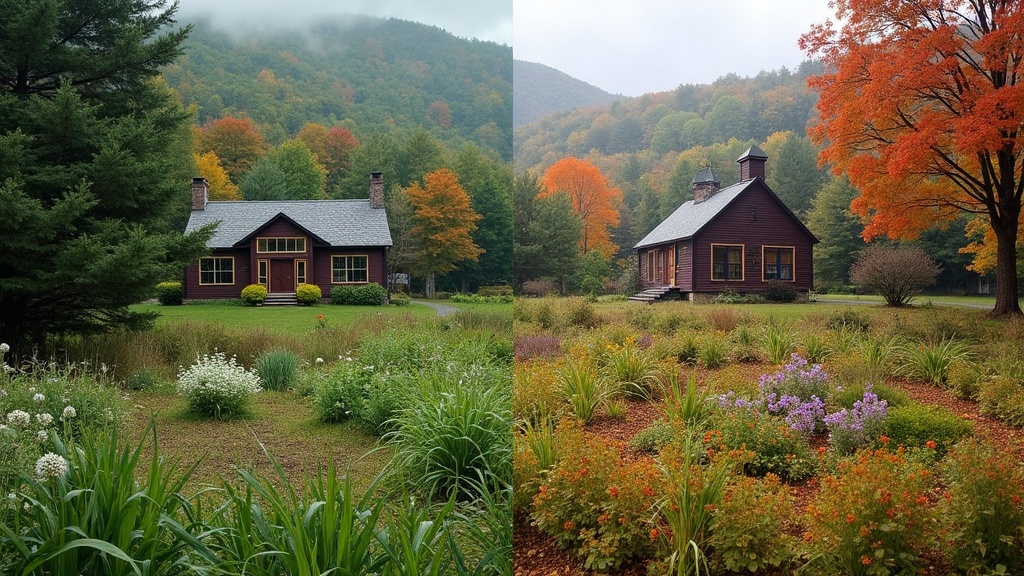
September through November brings many practitioners' favorite season. The infamous Catskills autumn explodes across the property in waves of red and gold, making even walking meditation between buildings a aesthetic experience. Temperatures cool enough to make the unheated yoga halls comfortable, and the quality of light during morning practice becomes somehow both sharper and softer.
Post-Labor Day, the crowd thins noticeably while programming remains robust. Weekend workshops continue, but with more space to breathe than summer months. October weekends draw leaf-peepers alongside serious students, creating an interesting mix of motivations. By November, as the landscape strips down toward winter simplicity, so does the pace of ashram life.
Choosing Your Window: The Shoulder Season Advantage
For first-timers uncertain about ashram life's austerity, late spring (mid-May) and early fall (September through mid-October) offer the most forgiving introduction. The weather cooperates with outdoor practice, the community is present but not overwhelming, and the natural beauty of the Catskills provides encouragement during challenging asanas or meditation sits.
The Woodbourne location means genuinely cold winters—come prepared for temperatures well below freezing—and humid summers that can reach the upper 80s. But it also means four distinct seasons that each teach different lessons about practice, impermanence, and showing up regardless of conditions. Choose your season based on whether you're seeking solitude or sangha (community), challenge or comfort, intensity or introduction.