The History of Sanctuary Tulum
The History of Sanctuary Tulum
On the eleventh day of the eleventh month of 2011, at precisely 11:11:11, a new kind of healing center opened its doors along a private stretch of Tulum Beach. The date was no accident. Sanctuary Tulum was conceived as a threshold—a crossing point between ancient wisdom and modern science, between the ceremonial and the clinical, between what had been and what might yet be possible in the realm of human healing.
A Vision Takes Root
The center was founded by Johnny Tabaie, a holistic practitioner who envisioned something that had never existed before: a licensed medical facility where sacred plant medicines could be administered not in rustic jungle settings or underground ceremonies, but within a framework of luxury residential care and advanced biotechnology. Where others saw either traditional shamanism or Western medicine, Tabaie saw an opportunity for integration.
From its inception, Sanctuary Tulum positioned itself at what many considered wellness's most controversial frontier—the intersection of indigenous plant wisdom and regenerative medical science. It was to be, by Tabaie's design, the world's first facility to offer the full spectrum of sacred plant medicines under one roof: Ayahuasca, Ibogaine, DMT, and Psilocybin, each administered within individualized treatment protocols.
The Pouyan Method Emerges
What distinguished Sanctuary Tulum from both conventional rehab centers and traditional retreat spaces was the development of what became known as the Pouyan Method. This proprietary approach, crafted by Tabaie, represented a bold synthesis: plant medicine ceremonies were woven together with advanced biotechnologies including NAD+ IV therapy, hyperbaric oxygen treatment, stem cell applications, gut-biome restoration, exosome therapy, and specialized Brain Repair IV protocols.
The philosophy underlying the method was holistic in the deepest sense—addressing not just symptoms but what the center's practitioners believed to be root causes. Neurotransmitter systems were supported and recalibrated. The body's cellular environment was optimized. And within this carefully prepared biological terrain, the medicines could do their deepest work.
A Different Model of Care
As Sanctuary Tulum evolved, it became clear that this was not a retreat center in the conventional sense. There were no large group ceremonies with dozens of participants. No seven-day programs with standardized schedules. Instead, the center offered something rarer and more intensive: fully private, one-to-one care for individuals facing serious challenges—complex mental health conditions, entrenched addiction, developmental trauma, PTSD, and chronic illnesses that had resisted other interventions.
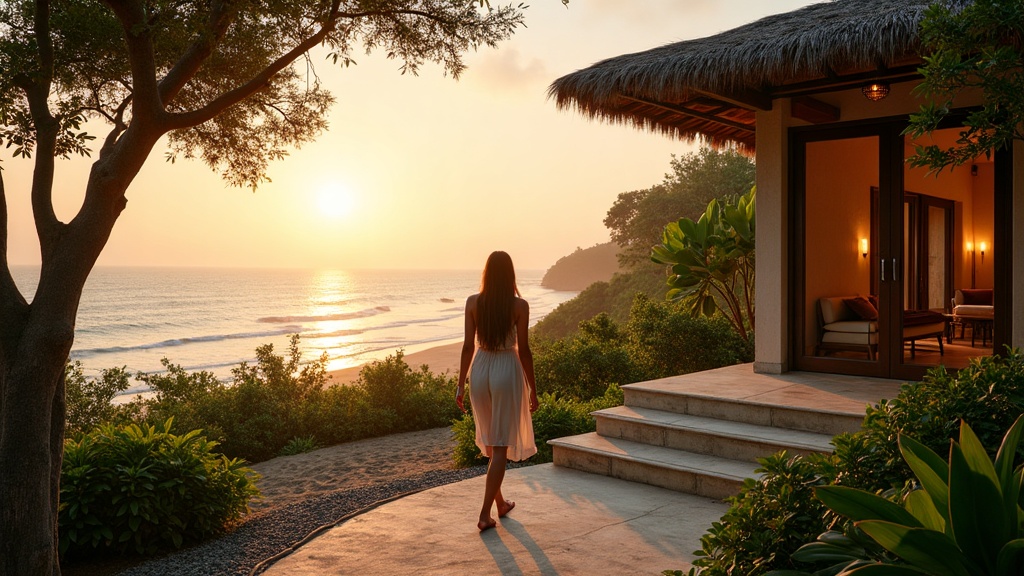
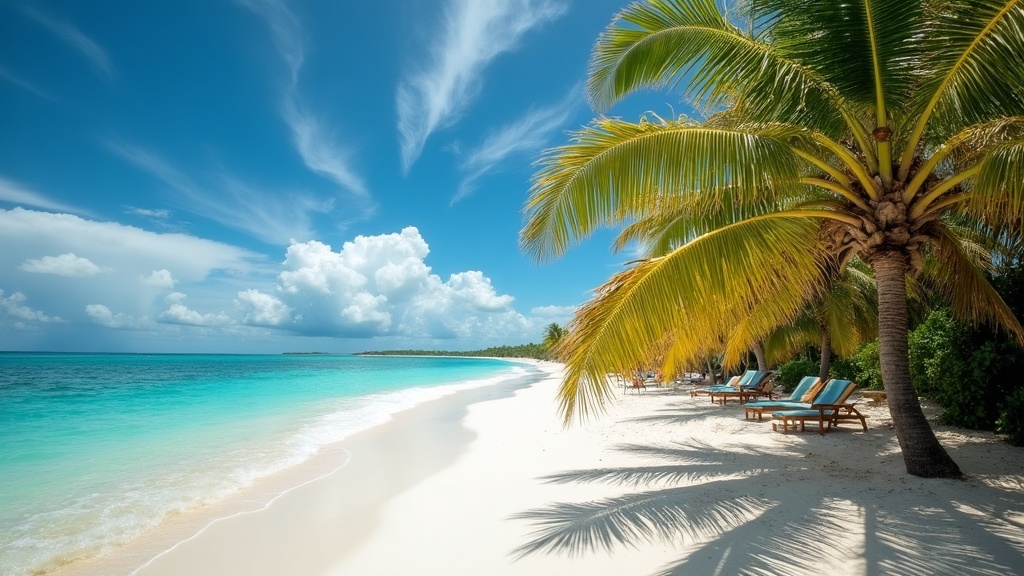
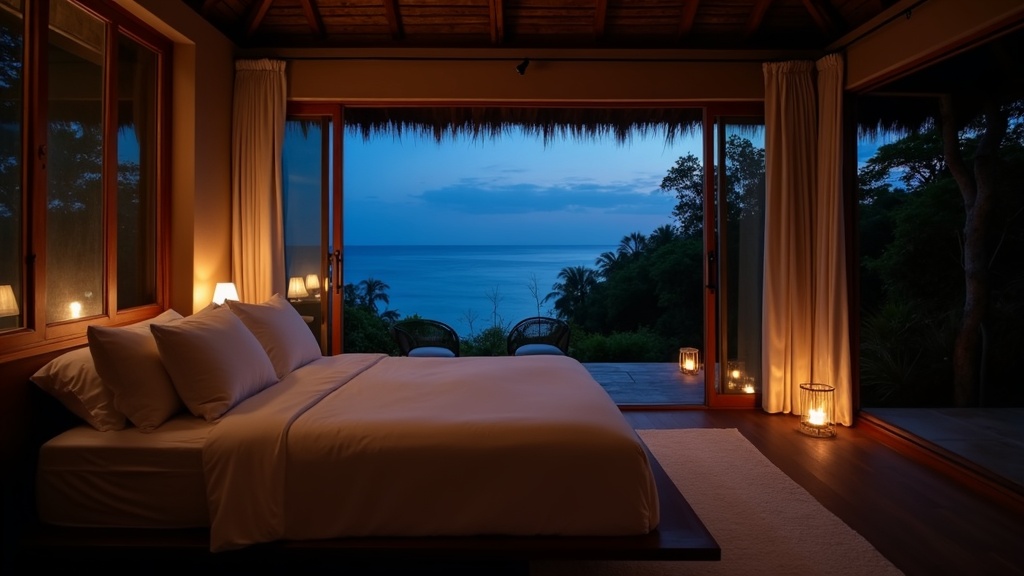
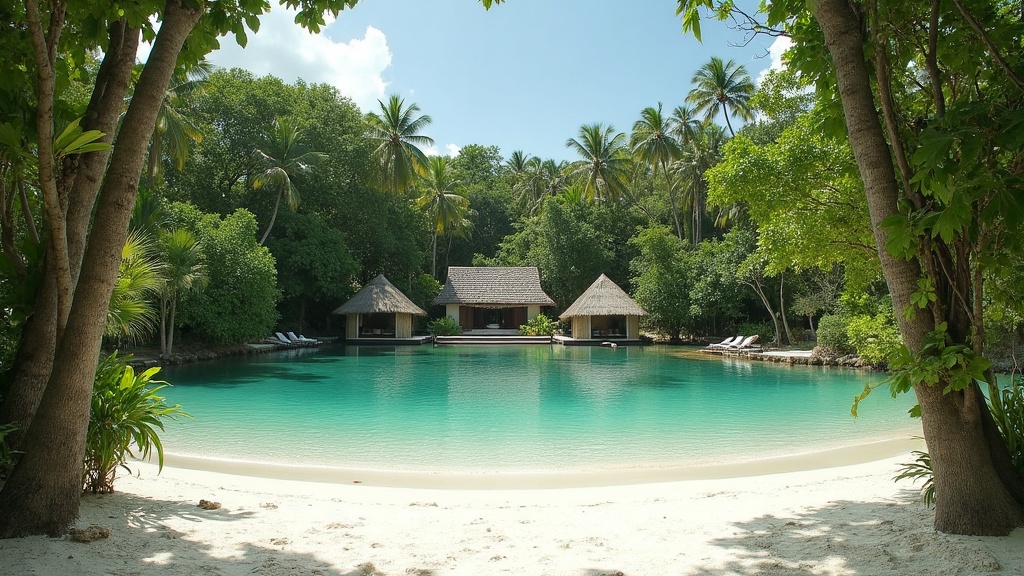
The setting itself reflected this philosophy. Positioned where the turquoise Caribbean meets white sand, the facility offered residential accommodations that felt more like a private estate than a clinical environment. Yet behind the serene aesthetics lay serious medical infrastructure, staffed by practitioners trained in both shamanic traditions and modern therapeutic modalities.
An Integration of Lineages
The traditions honored at Sanctuary Tulum span continents and centuries. Amazonian plant medicine sits alongside shamanic healing practices. Energy healing modalities complement psychedelic therapy protocols. Yoga and holistic medicine create a foundation, while regenerative medicine technologies offer cutting-edge support. This eclecticism is intentional—a recognition that healing wisdom comes from many sources, and that the most profound transformations often occur when ancient and modern approaches work in concert.
Present-Day Character
Today, Sanctuary Tulum occupies a unique position in the global wellness landscape. It remains unabashedly at the frontier, working with medicines and methods that many institutions still view with skepticism. Yet it has persisted, refined its offerings, and built a reputation among those seeking alternatives to conventional treatment protocols.
The center continues to serve a particular kind of seeker—individuals who have often exhausted mainstream options, who are willing to engage with powerful plant medicines in a supported medical context, and who are prepared for intensive personal work. The investment required, both financial and emotional, is substantial. This is not a casual wellness retreat but a serious intervention for serious conditions.
What makes Sanctuary Tulum distinctive is precisely its refusal to choose between paradigms. It honors the ceremonial sanctity of plant medicines while embracing the precision of regenerative biotechnology. It respects indigenous wisdom traditions while creating protocols informed by contemporary neuroscience. It offers luxury and comfort while facilitating experiences that can be profoundly challenging.
For those it serves, Sanctuary Tulum represents not just a place but a possibility—that healing might be found at the convergence of worlds, where the ancient and the innovative meet on a stretch of Mexican coastline, and where transformation, however difficult, remains within reach.