Where You'll Stay at Kagyu Samye Ling Monastery: A Guide to Accommodations
Where You'll Stay at Kagyu Samye Ling Monastery: A Guide to Accommodations
Choosing where to sleep at Kagyu Samye Ling isn't like booking a hotel. This Tibetan Buddhist monastery in the Scottish Borders offers lodging that ranges from genuinely spartan to surprisingly comfortable, but even the "deluxe" options here maintain a certain monastic simplicity. Understanding what you're signing up for—and what trade-offs you're willing to make—will shape your entire retreat experience.
Room Categories and What You're Actually Paying For
The monastery typically offers three main accommodation tiers: dormitory beds (the budget option), standard single or twin rooms, and more comfortable ensuite rooms that qualify as their "deluxe" category. The price differences are significant, but so is the experience.
Dormitory accommodation puts you in a shared room with anywhere from four to eight other guests. You're paying perhaps £20-30 per night, which is remarkable value for full board, but you're also gambling on your roommates. Will they snore? Return late from evening prayers? Wake at 4:30 AM for meditation practice while you sleep in? It's a lottery, and one you play every night.
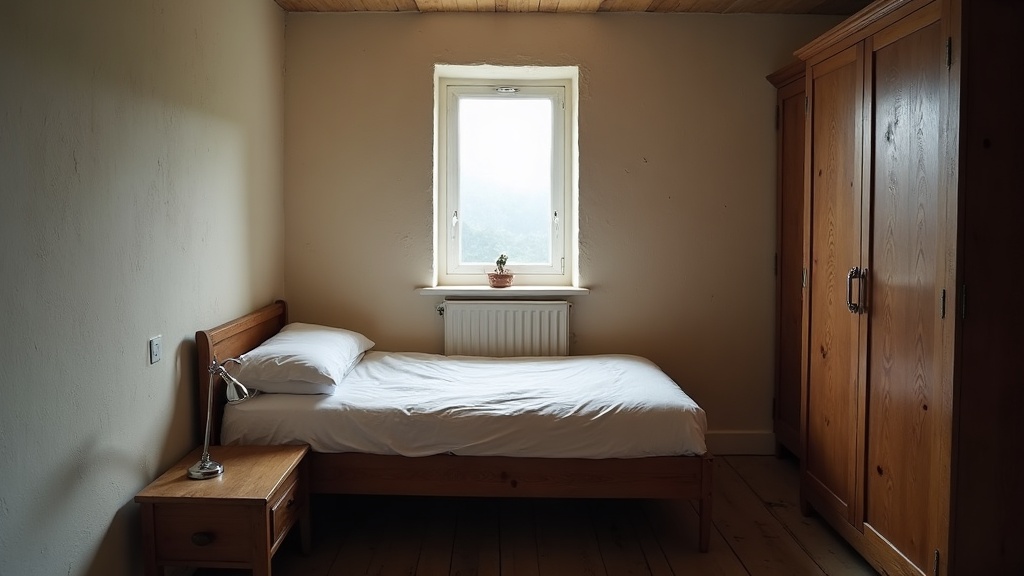
Standard rooms offer privacy in exchange for perhaps double the price. These are simple singles or twins with basic furnishings—a bed, perhaps a small desk, a chair, a lamp. Think seminary dormitory rather than boutique hotel. The walls are often thin, the décor minimal, but you have your own space to retreat to after a full day of practice or contemplation.
The ensuite rooms represent the monastery's premium offering, usually running £60-80 per night with meals included. You get your own bathroom, slightly better furnishings, and often a bit more square footage. But don't mistake "deluxe" for luxury—you're still in a monastery in rural Scotland, not a spa resort.
What's Included (And What Definitely Isn't)
All accommodation rates include three vegetarian meals daily—a significant consideration that makes even the higher-priced rooms excellent value. Linens and blankets are provided, though the quality varies. You'll get functional sheets and pillowcases that do their job without any pretense of thread count.
Towels are typically provided, but they're institutional-grade: thin, worn, and seemingly designed to air-dry you rather than absorb moisture. Many regular visitors bring their own. The monastery isn't trying to be stingy—it's simply operating on a different paradigm than hospitality-industry accommodation.
Climate control is largely a DIY proposition. Rooms have radiators that work with varying effectiveness, depending on which part of the rambling complex you're in. The original Johnstone House sections retain their hunting lodge character, which means charming but drafty. Bring layers. The Dumfriesshire winters are real, and these old buildings weren't designed for comfort so much as endurance.
The Bathroom Question
This is where your accommodation choice really matters. Dormitory and standard rooms typically mean shared bathroom facilities—sometimes one bathroom per hallway, occasionally one per gender per floor. Early morning can see queues forming before meditation sessions. The facilities are clean and functional, but if privacy matters deeply to you, the ensuite option is worth the extra cost.
The shared bathrooms are maintained well, but they're heavily used. Expect institutional-grade fixtures, adequate hot water (usually), and the particular social dynamics of any shared facility: unspoken schedules, the occasional mess, the question of whether to chat or maintain noble silence even in the bathroom queue.
Choosing Your Accommodation Wisely
Consider honestly what you need versus what you're romanticizing. If you're coming for deep meditation retreat, the dormitory's potential disruptions might undermine your practice. If you're young, flexible, and coming to immerse yourself in community life, sharing space can enhance the experience.
The standard single room often represents the sweet spot: affordable, private, and perfectly adequate for the monastery's purpose. You're here to practice, study, or retreat—not to luxuriate in your accommodation.
Think too about your length of stay. A weekend in the dorm is an adventure; three weeks might leave you frayed. Book what you can sustain, not just what you can afford for a night or two.
The honest truth? Even the simplest accommodation here serves its purpose in ways a luxury hotel never could—stripping away comfort as distraction, leaving you with just enough, which is often exactly what you came to find.