Best Time to Visit Le Moulin de Chaves: A Seasonal Guide
Best Time to Visit Le Moulin de Chaves: A Seasonal Guide
Winter: Solitude in the Dordogne Countryside
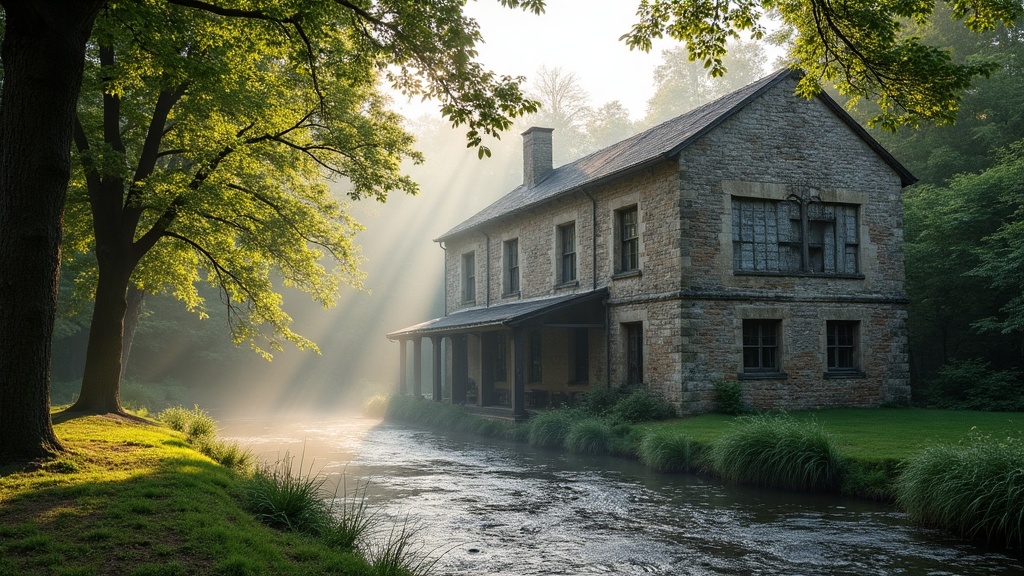
From December through February, Le Moulin de Chaves transforms into a haven for serious practitioners seeking depth over distraction. The Dordogne landscape strips itself bare during these months, revealing the essential architecture of the countryside—skeletal vines, mist-laden valleys, and that particular silence that only winter can deliver. Programs during this season tend to attract experienced meditators drawn to longer silent retreats and intensive Vipassana practice. The shorter days naturally encourage introspection, with darkness arriving early enough to extend evening meditation sessions without feeling artificially prolonged.
Temperatures hover between 3-8°C, occasionally dipping below freezing at night. The stone buildings retain a characteristic chill that no amount of heating entirely dispels—a physical reminder of impermanence that some find clarifying and others merely uncomfortable. This is decidedly not the season for casual exploration. Winter at Le Moulin suits those who've already tested their commitment to practice, who find the grey skies contemplative rather than oppressive, and who appreciate having the meditation hall relatively uncrowded. The reduced visitor numbers during these months mean more one-on-one time with teachers and a palpable sense of collective dedication among fellow retreatants.
Spring: Awakening Practice
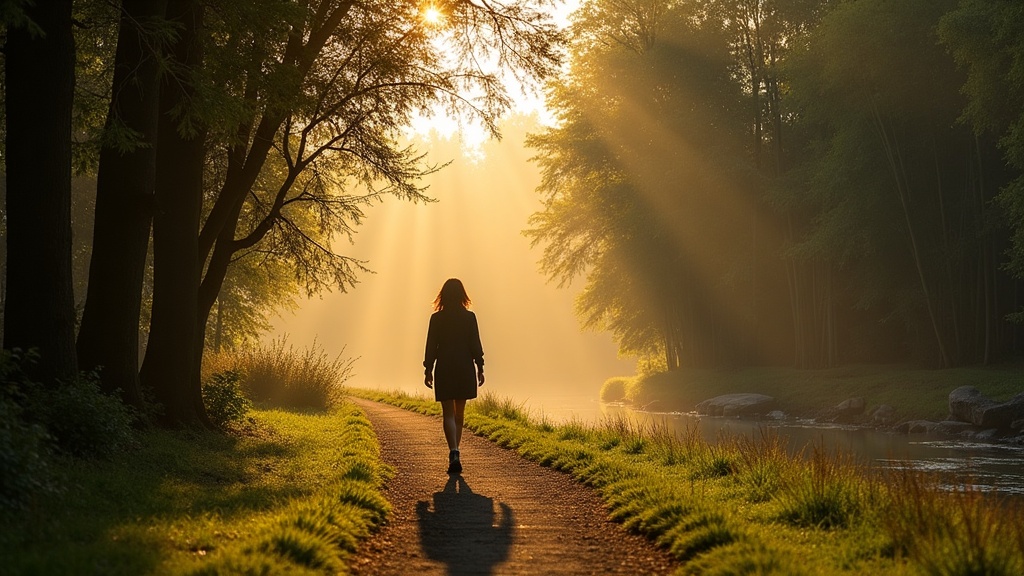
March through May brings the Dordogne back to life in graduated waves of green and blossom. The retreat center's grounds become part of the teaching as nature demonstrates impermanence in real-time—buds opening, birds returning, the whole landscape participating in becoming. Spring programs often blend formal meditation retreats with mindfulness immersions that incorporate walking meditation through orchards and vineyards just beginning their annual cycle.
This season attracts a broader mix of practitioners. You'll find both newcomers energized by the metaphorical resonance of beginning practice during renewal season, and returning students who prefer moderate temperatures for extended sitting. Daytime highs reach 15-20°C by May, though mornings can still be brisk enough to require layers. The weather remains unpredictable—April showers are genuine, not metaphorical—so programs maintain flexibility between indoor and outdoor sessions.
Spring represents the shoulder season when Le Moulin begins filling its calendar but hasn't yet reached summer capacity. There's still spaciousness in the schedule and the physical environment, making it particularly suitable for first-time retreat-goers who want guidance without feeling lost in a crowd.
Summer: Full Bloom, Full Calendar
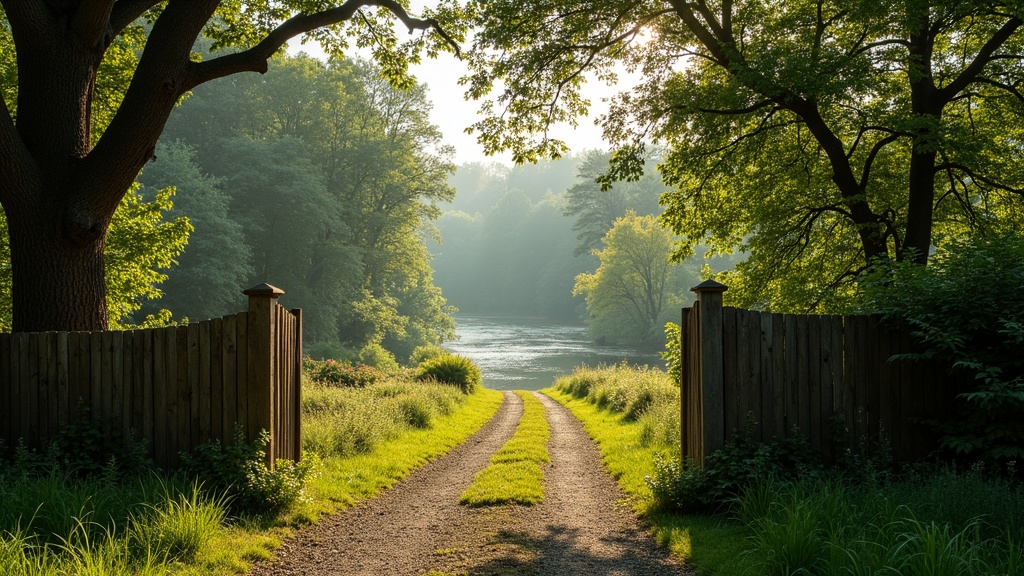
June through August sees Le Moulin de Chaves at its most vital and its most scheduled. The Dordogne summer delivers long, warm days—temperatures regularly reaching 25-30°C—that extend the possibilities for outdoor meditation and contemplative work in the gardens. The landscape achieves its fullest expression: sunflower fields blazing yellow, vines heavy with developing grapes, evening light that lingers until nearly 10 PM.
Programs diversify during summer months, with shorter meditation immersions alongside traditional week-long silent retreats. The atmosphere becomes more communal and, necessarily, less secluded. Summer suits practitioners who draw energy from collective practice, who appreciate structured scheduling (essential when accommodating more guests), and who want to combine serious meditation work with experiencing the Dordogne's celebrated beauty. Families occasionally visit during this period for specific mindfulness programs designed to accommodate varying experience levels.
The trade-off for perfect weather is reduced solitude. Booking well in advance becomes essential, and the retreat environment hums with more activity—not chaotic, but distinctly fuller than other seasons.
Fall: The Return to Stillness
September through November offers what many teachers consider the ideal conditions for deepening practice. The tourist crowds have departed the broader Dordogne region, harvest activity in surrounding vineyards and farms provides a contemplative backdrop of purposeful work, and temperatures moderate into that perfect range—15-22°C in early fall, cooling gradually—that allows the body to forget itself during long sits.
Programming during autumn often includes extended silent retreats and advanced Vipassana intensives. The quality of light changes almost daily as the season progresses: golden September afternoons give way to November's earlier darkness and occasional fog that settles in the valleys. Fall attracts practitioners seeking what one teacher called "harvest practice"—time to gather insights from previous work and prepare for winter's inward turn.
Choosing Your Window
For first-time visitors to Le Moulin de Chaves, the shoulder seasons of late spring (April-May) and early fall (September-October) offer the sweet spot between comfort and intensity. You'll find moderate weather, reasonable crowd levels, and teachers with bandwidth to support newcomers alongside experienced students. The Dordogne reveals itself beautifully during these months without the extremes of summer heat or winter isolation.
Ultimately, the best time to visit depends on your relationship with solitude, your experience level, and whether you practice better in austerity or abundance. Le Moulin adapts its offerings seasonally, but the core teaching remains constant—just expressed in different seasonal languages.