Programs at
Esalen Institute
Retreat Center · Big Sur, CA
A legendary retreat center on the Big Sur coast.
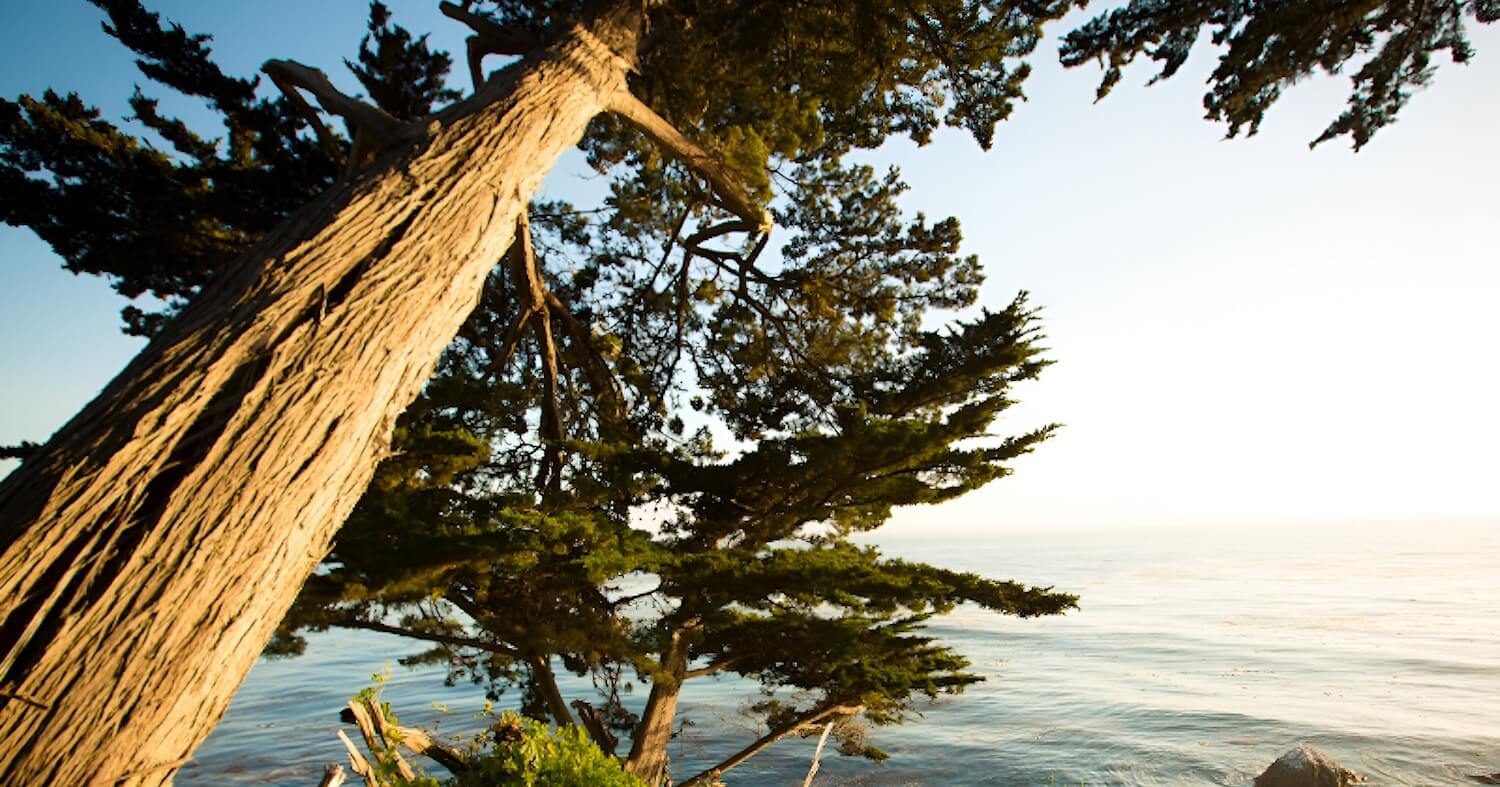
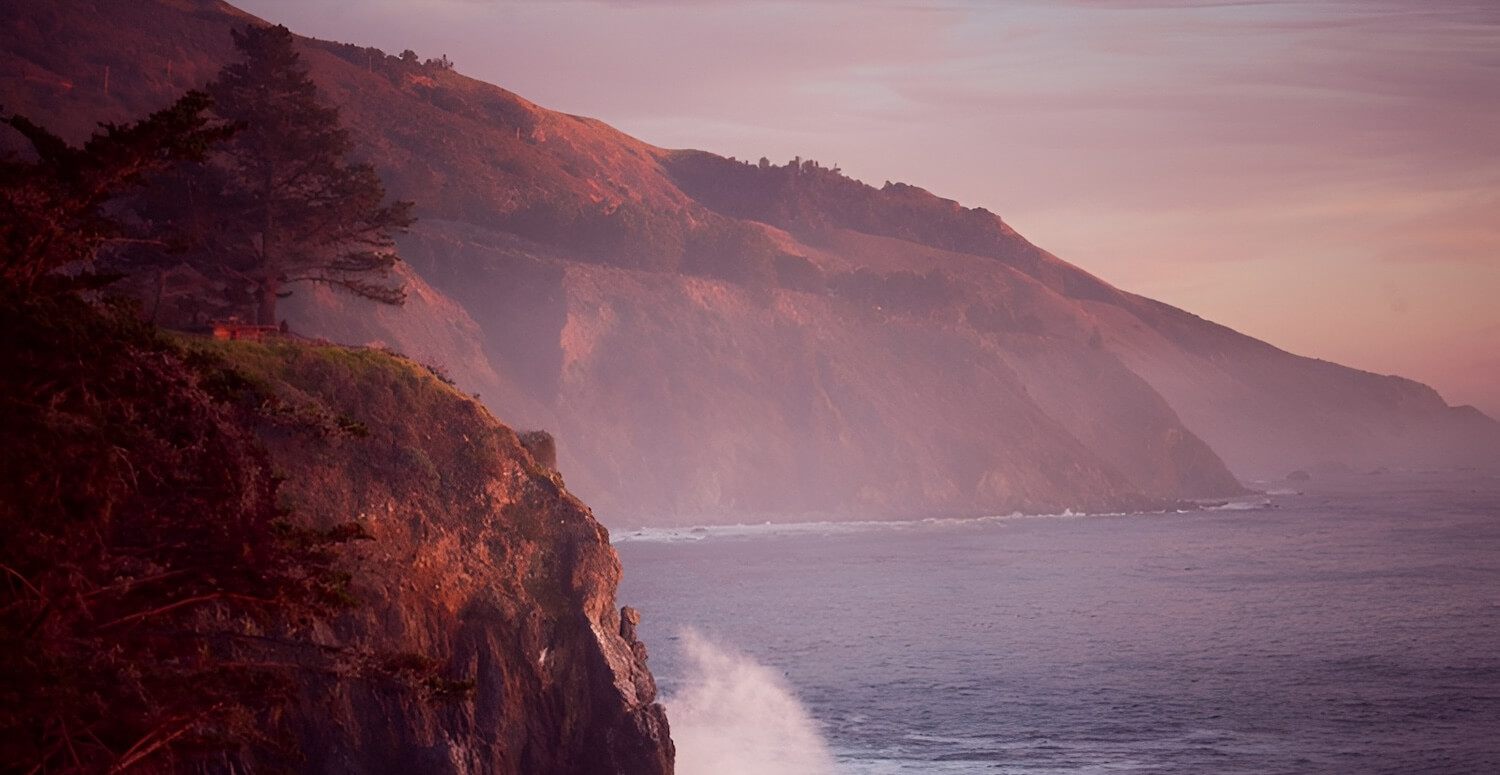
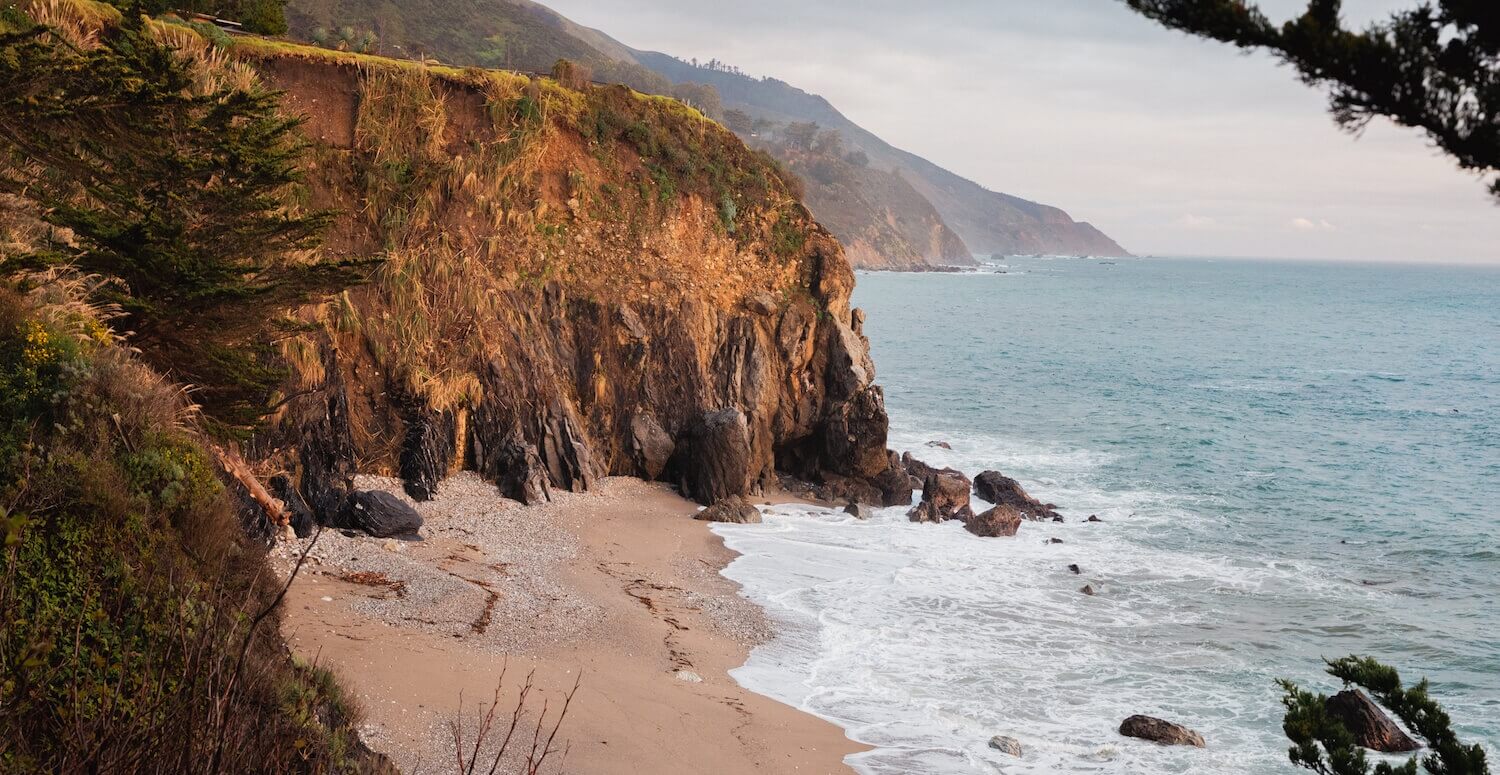
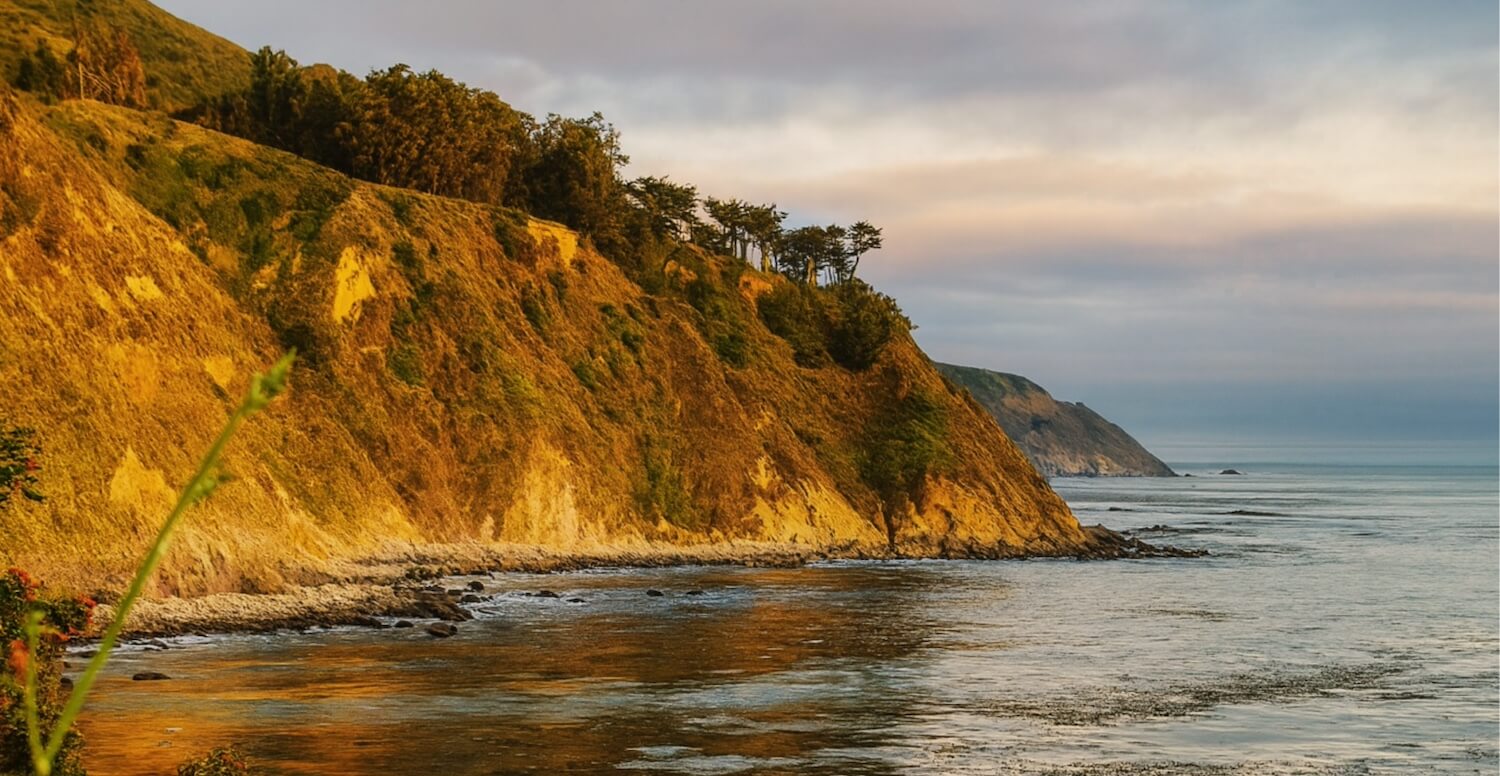
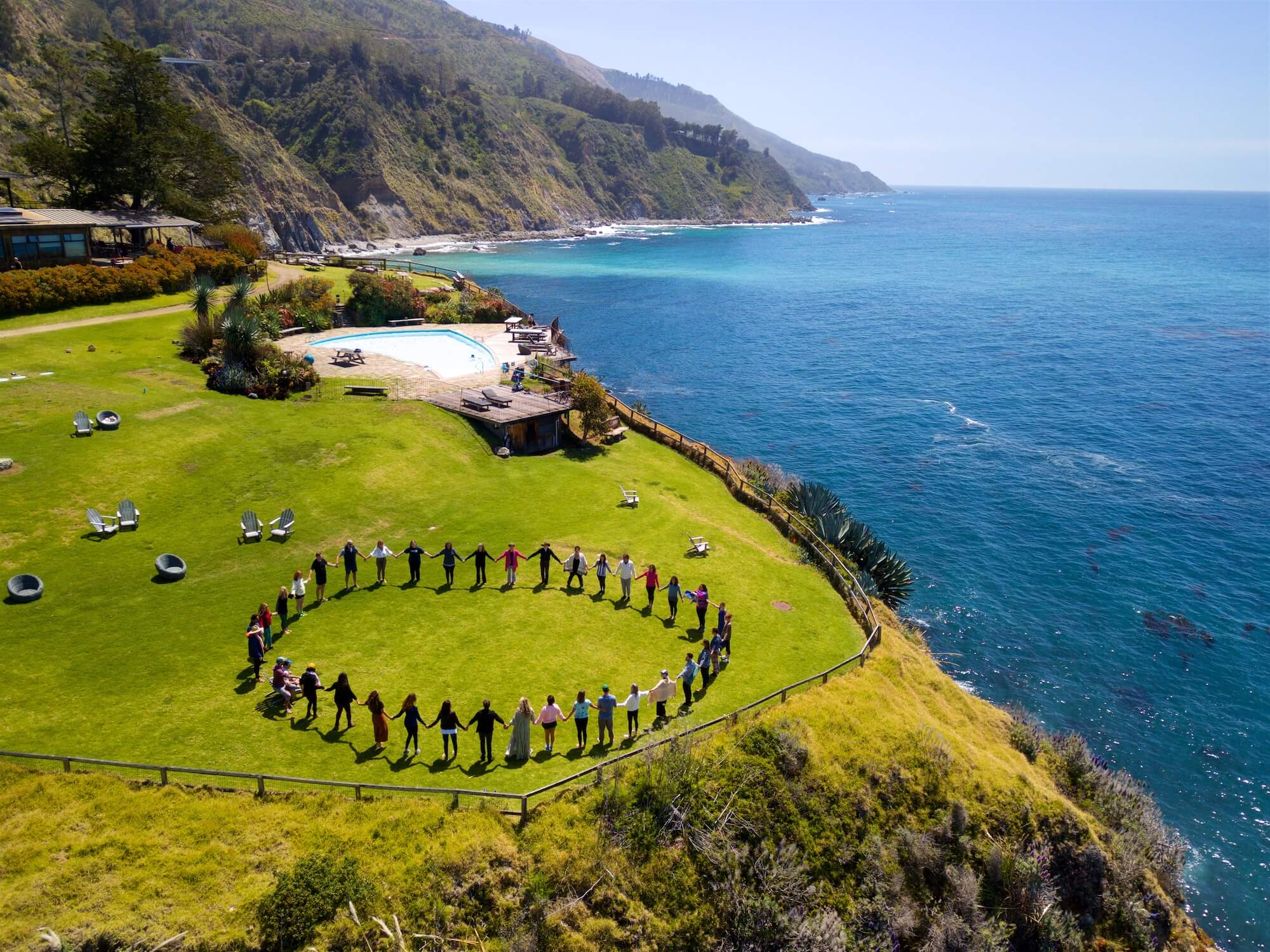
Perched on 27 acres of granite ledge where the Santa Lucia Mountains plunge into the Pacific, Esalen Institute has been America's most influential laboratory for human consciousness since 1962. Co-founded by Stanford graduates Michael Murphy and Dick Price, the institute emerged from a fateful convergence of intellectual ferment, family property, and countercultural yearning. Murphy, inspired by 18 months at Sri Aurobindo Ashram in India, and Price, shaped by traumatic experiences in psychiatric institutions, leased the property from Murphy's grandmother Bunnie, who initially feared her grandson would "give the hotel to the Hindus." Using capital from Price's father, a Sears vice-president, they incorporated as a nonprofit in 1963, drawing immediate support from Aldous Huxley, Alan Watts, Abraham Maslow, and Gregory Bateson.
The early years crackled with risk and genius. Alan Watts delivered the first lecture in January 1962. By that summer, Abraham Maslow happened to drive onto the grounds seeking lodging and became a patron whose humanistic psychology would shape the institute's DNA. In 1964, Fritz Perls arrived for what became a five-year residency, establishing Gestalt therapy as foundational to Esalen's approach. The late 1960s brought national media attention, Time, Life, Look, and The New York Times Magazine all covered the "joy revolution" unfolding in Big Sur. Encounter groups, sensory awareness, meditation, and bodywork practices once considered fringe entered mainstream consciousness through Esalen's experiments. Ida Rolf trained nearly 100 practitioners in structural integration here between 1964 and the early 1970s. Moshe Feldenkrais, Charlotte Selver, Will Schutz, and Joseph Campbell all held extended residencies.
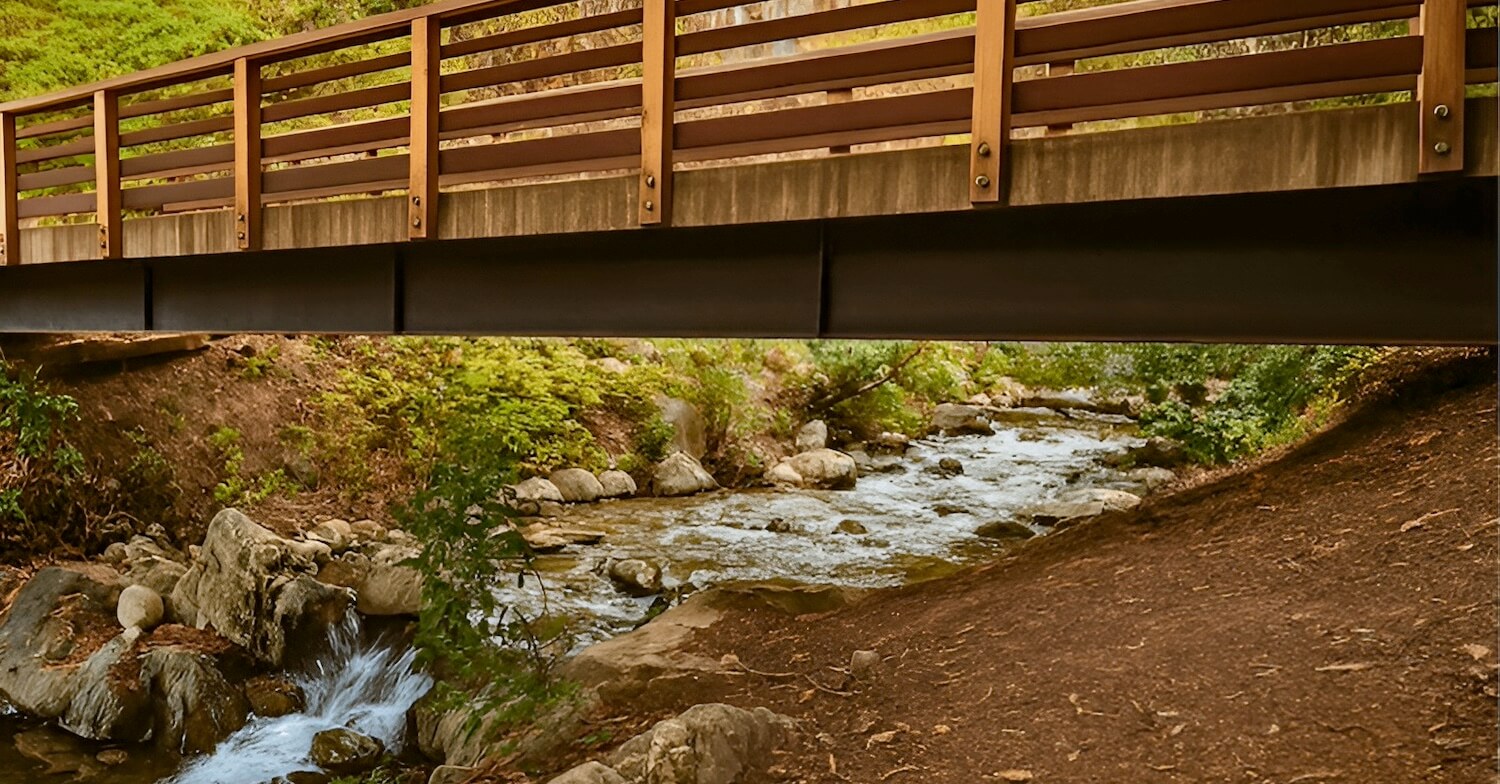
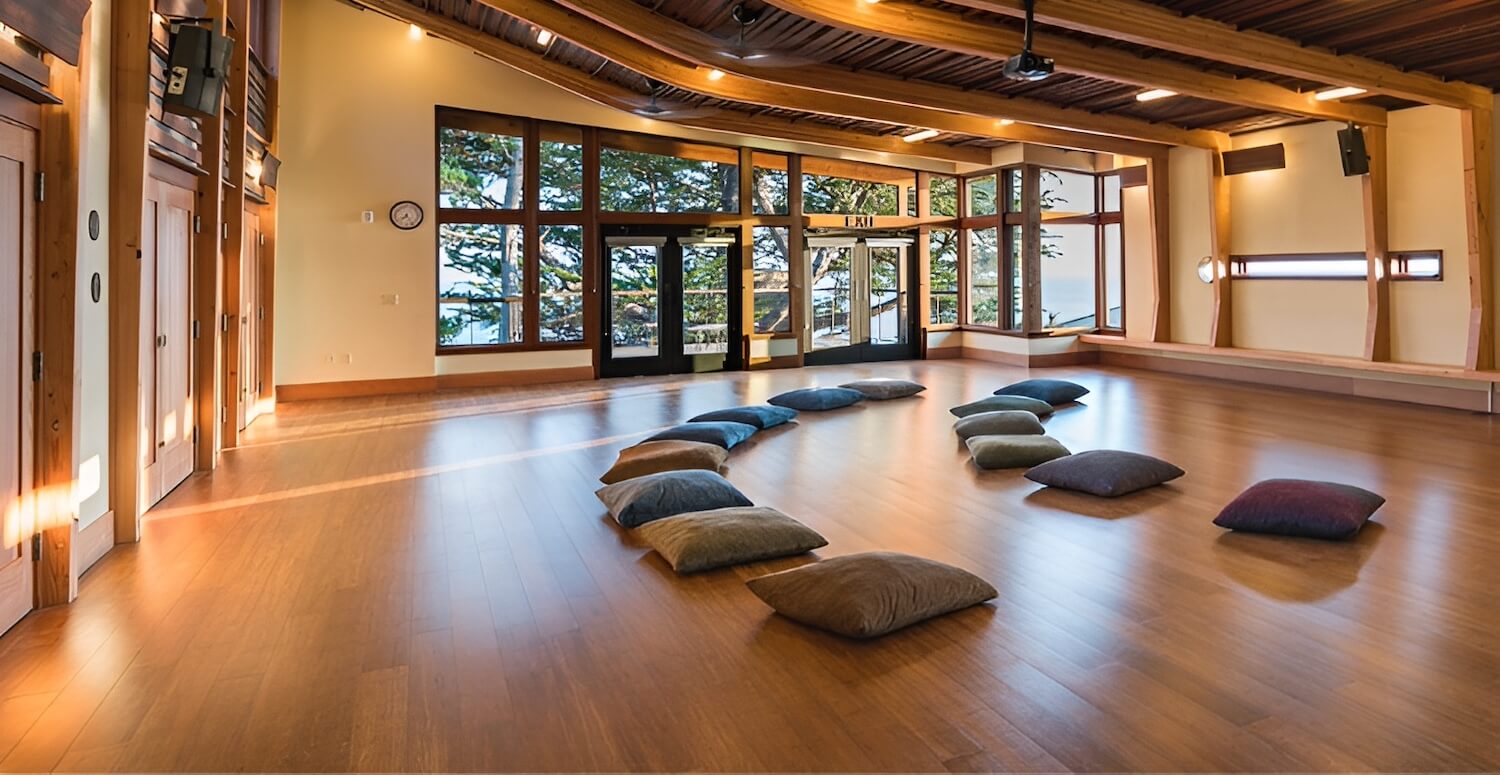
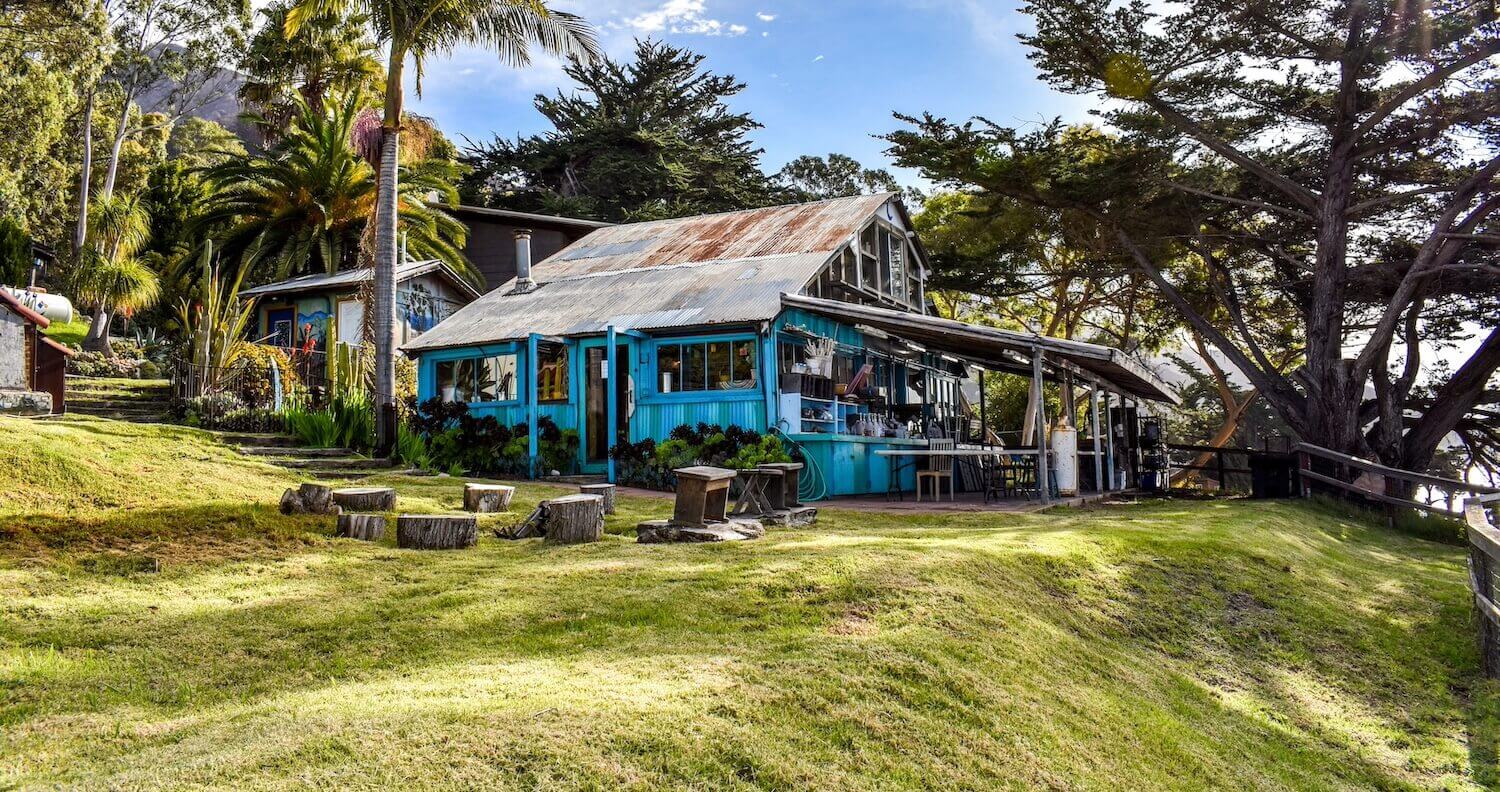
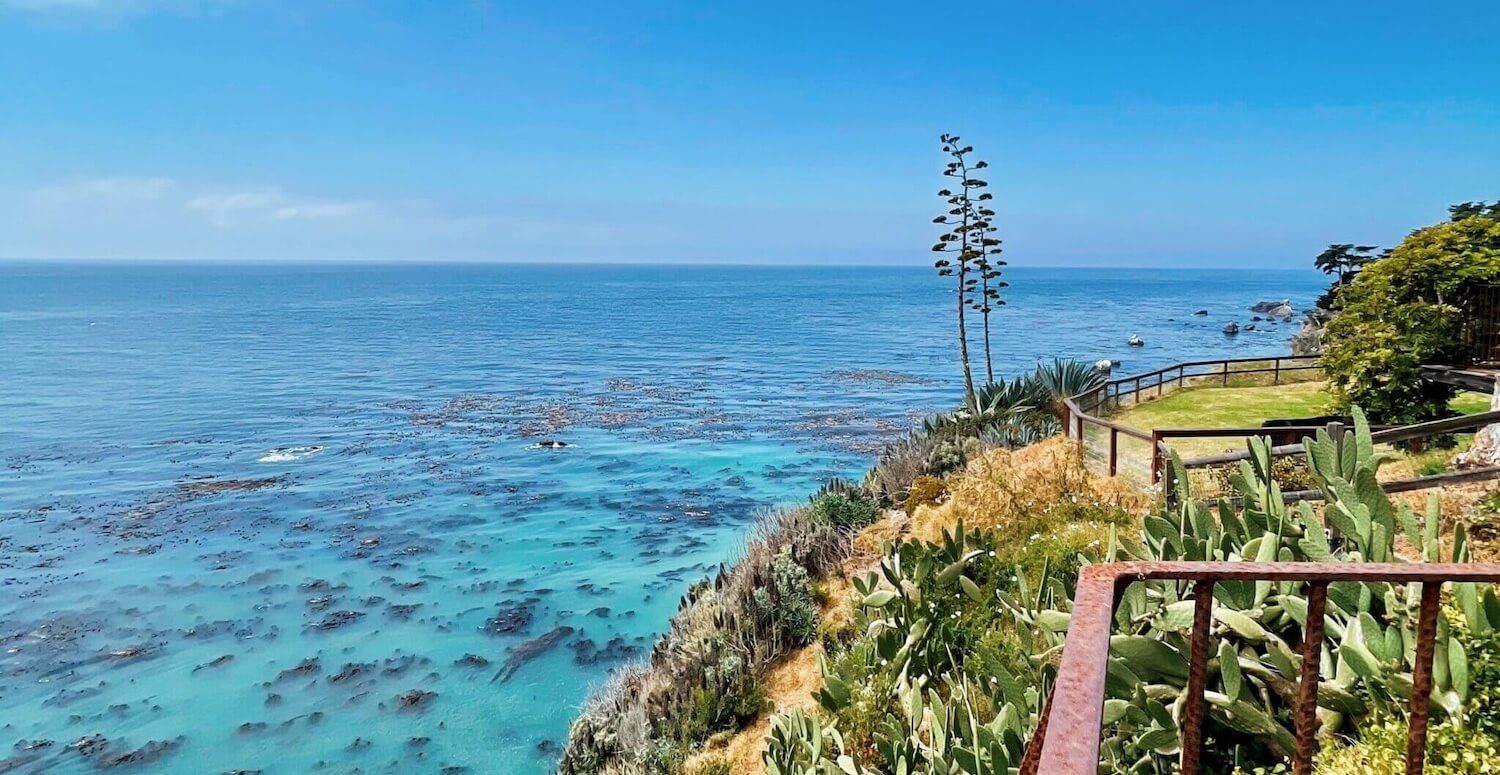
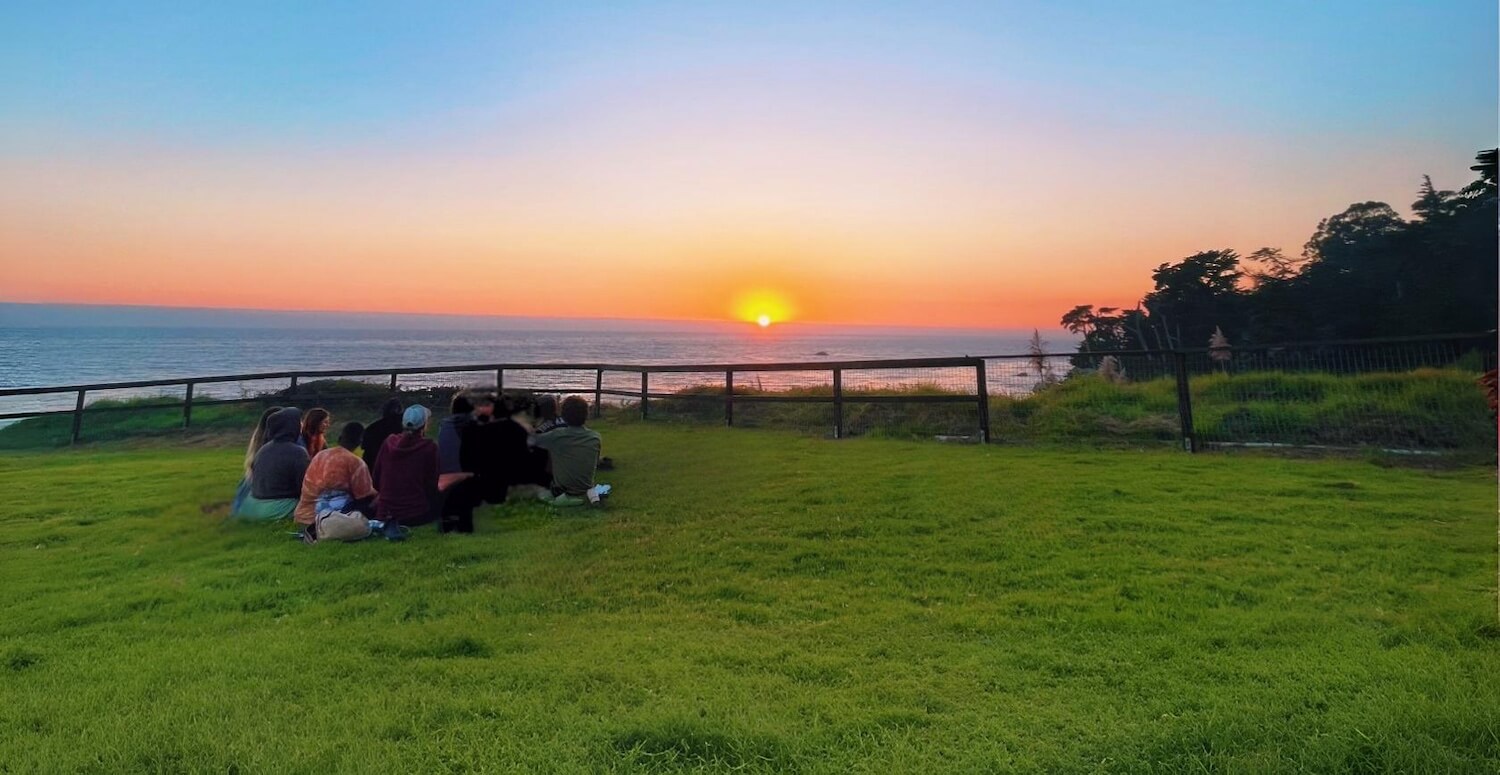
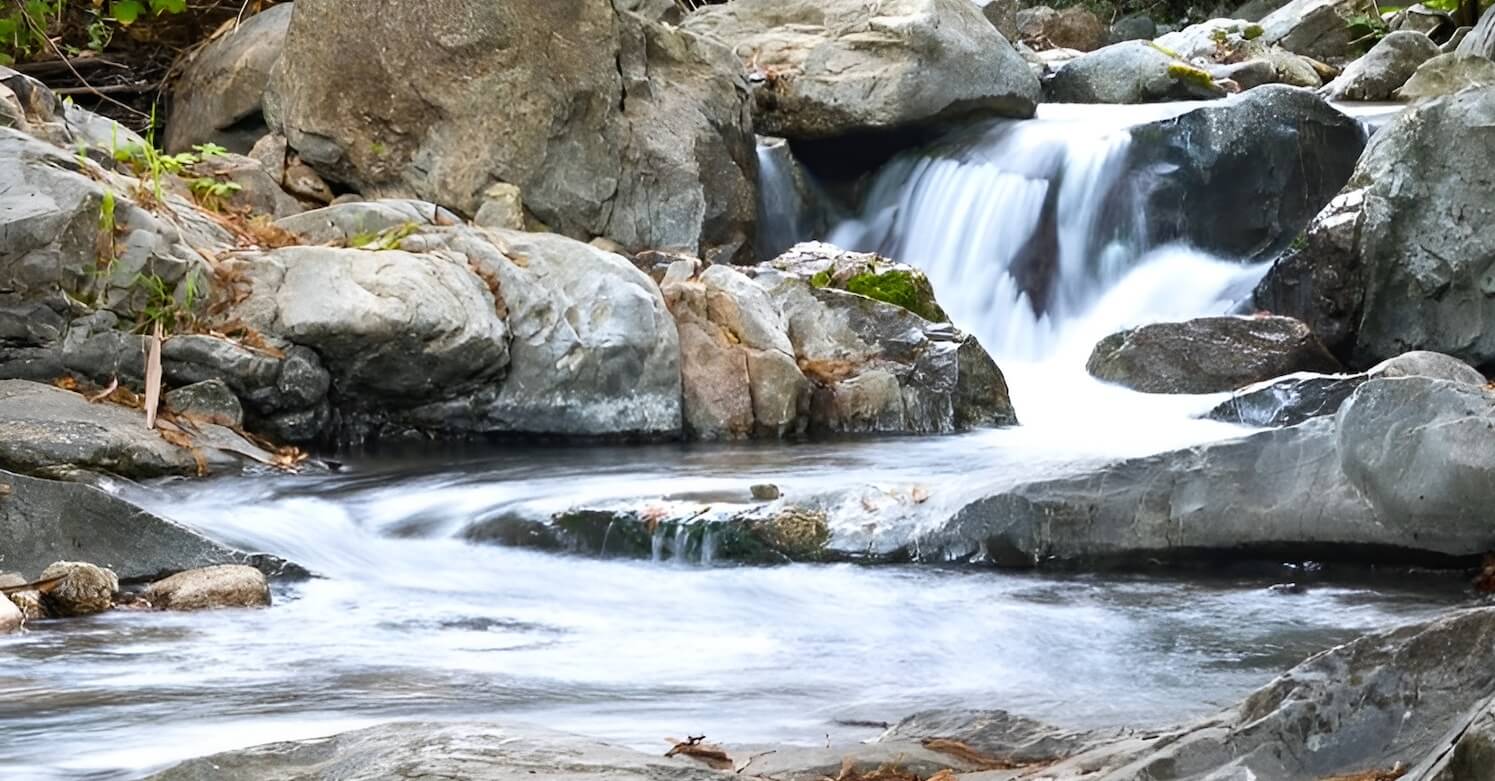
The physical setting remains spellbinding: hot springs flowing at 119 degrees Fahrenheit perch on a cliff 50 feet above crashing surf, accessible via a footpath through redwood groves. The grounds straddle Hot Springs Canyon, with a waterfall and creek dividing the property. An Art Barn from the 1960s still hosts creativity workshops. The Lodge underwent major renovation in recent years, though reviews of the execution are mixed. Accommodations range from sleeping-bag floor space to ocean-view suites in the Murphy House and Fritz Guest rooms, with everything in between, bunk beds, shared rooms, private yurts. The aesthetic is deliberately rustic; luxury is not the point. No TVs, limited WiFi (available only in the Lodge, turned off during meals), and darkness so profound at night that guests are issued keychain flashlights for the 15-minute walks to distant lodgings.
Dick Price ran daily operations and developed Gestalt Practice, his synthesis of Buddhist principles, Taoism, and Perls' teachings, until his death in a 1985 hiking accident. Michael Murphy moved to San Francisco and became a successful author (Golf in the Kingdom remains a bestseller decades after publication), while directing the Center for Theory & Research. That think tank has quietly shaped history: during the Cold War, Murphy and his wife Dulce launched Soviet-American citizen diplomacy programs at Esalen that introduced the phrase "track-two diplomacy" and facilitated Boris Yeltsin's first visit to America in 1990. CTR conferences pioneered fields including humanistic psychology, transpersonal psychology, ecopsychology, and holistic medicine.
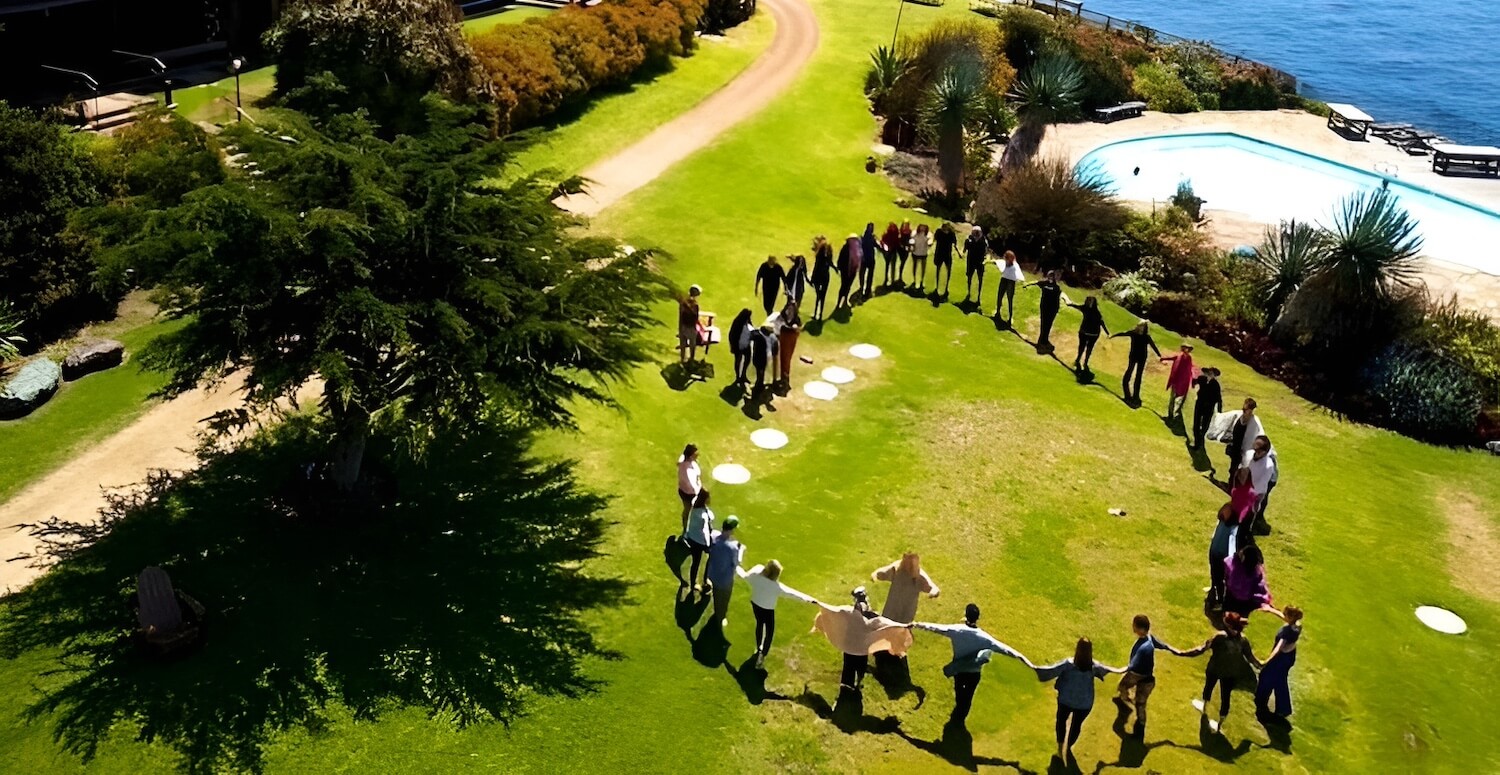
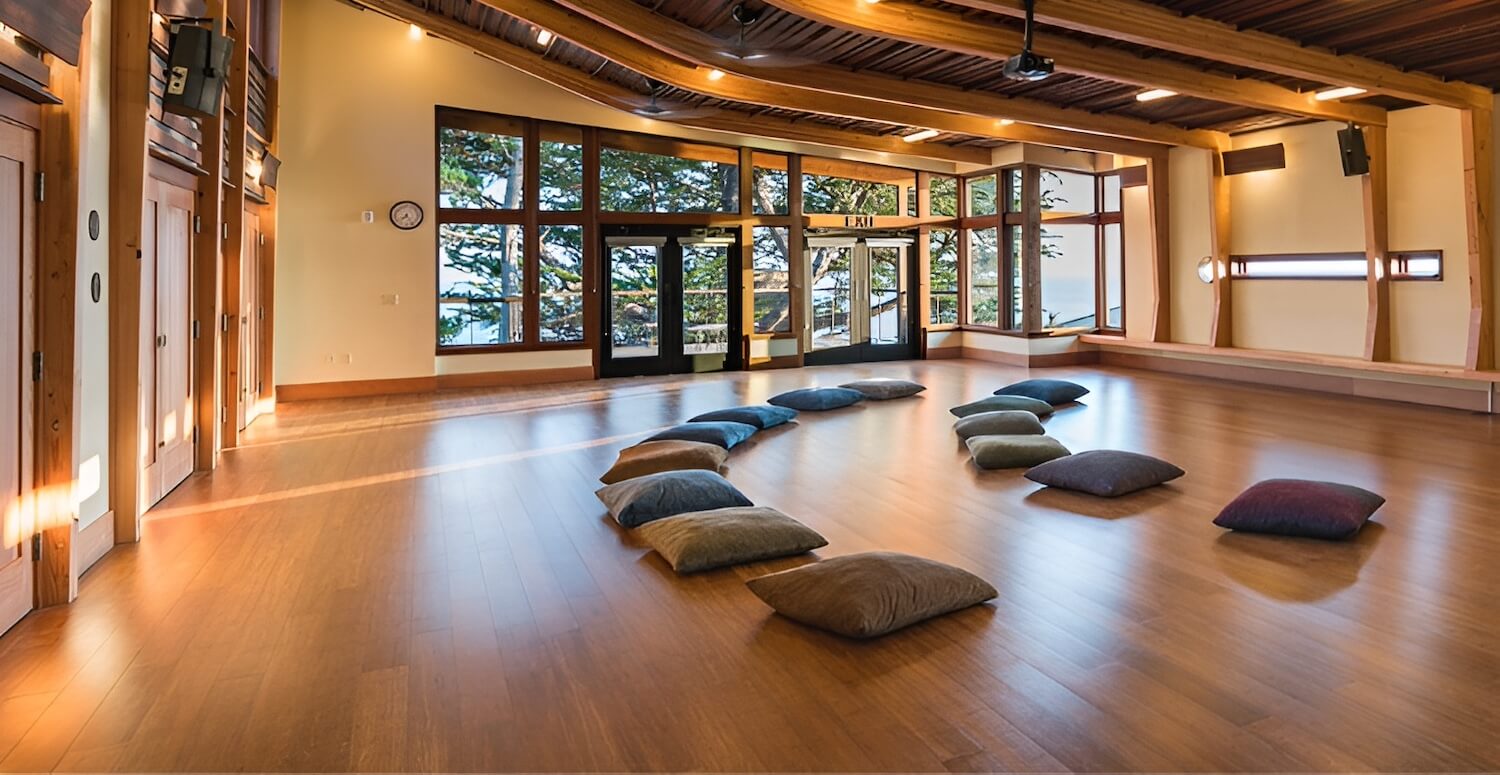
Today Esalen offers approximately 500 public workshops annually in areas ranging from yoga and meditation to creativity, psychology, sustainability, and neuroscience. Faculty have included contemporary teachers alongside historical luminaries. The institute also offers Self-Guided Explorations, lightly structured weeks for independent seekers, and continues its tradition of invitational conferences on topics too edgy for mainstream institutions. The dining hall serves buffet-style vegetarian-forward meals emphasizing organic produce from Esalen's own Farm & Garden, though omnivore options appear. Food quality receives mixed reviews, with longtime participants noting decline from earlier decades. The famous Esalen Massage, characterized by long, flowing strokes and a meditative pace, originated here in the late 1960s and now has certified practitioners worldwide through the Esalen Massage & Bodywork Association.
Esalen has weathered periodic crises. The hot springs bathhouse was severely damaged by weather in 1998 and required costly reconstruction. In February 2017, Highway 1 collapsed north and south of the property, isolating the campus completely; guests were evacuated by helicopter and 90% of staff laid off for months. The institute reopened with reduced programming and has adapted its offerings to appeal to younger generations while maintaining its experimental ethos. As of 2026, access still requires navigating twice-daily Caltrans convoys due to ongoing Highway 1 closures. The property sits on land historically inhabited by the Esselen tribe, from whom the institute adopted its name, and Esalen now co-stewards the land with the Esselen Tribe of Monterey County. Despite infrastructure challenges and mixed service reviews, the raw power of place, the baths at dawn, the Pacific at midnight, the silence of the redwoods, continues to draw seekers from around the world.
Est. 1962137 Upcoming Programs
What's Happening
All Upcoming Programs
137 programs · 143 total sessions scheduled at Esalen Institute
When
Length
Showing 137 of 137 programs