BrightStar

Ver todos os Events

Discover conscious gatherings

events

Yoga
Meditation
Breathwork
Qigong
Tai Chi
Sacred Music
World Music
Medicine Music
Sound Healing
Ecstatic Dance
Destinos populares
BaliSedonaLos AngelesCosta RicaNew YorkSan FranciscoAustinMiamiJoshua TreeTulum
Ver todas as categoriasVer todos os destinos

Explorar todos os recursos

Ferramentas poderosas para expandir seus eventos

Recursos da plataforma

Precificação dinâmica inteligente
Categorias de ingressos
Lugares marcados
Recuperação de carrinho abandonado
Recuperação de visitantes
Doações e preço variável
Sistema de afiliados
Scanner de ingressos
Códigos de desconto
Perguntas personalizadas
Compartilhamento de ingressos
Upsells e complementos
Análises e relatórios
Sequências de e-mail
Lista de espera / Notificar / Lembrar
Pessoas e Lugares
Artists & TeachersEvent OrganizersVenues & StudiosKnowledge BaseGlossaryInspiration
Ver todos os recursosSobre nós
PreçosBlog
Ver todos os eventos

events

YogaMeditationBreathworkQigongTai ChiSacred MusicWorld MusicMedicine Music

Destinos populares

BaliSedonaLos AngelesCosta RicaNew YorkSan Francisco

Pessoas e Lugares

Artists & TeachersEvent OrganizersVenues & StudiosKnowledge BaseGlossaryInspiration

Recursos da plataforma

Precificação dinâmica inteligenteCategorias de ingressosLugares marcadosRecuperação de carrinho abandonadoRecuperação de visitantesDoações e preço variávelSistema de afiliadosScanner de ingressosCódigos de descontoPerguntas personalizadasCompartilhamento de ingressosUpsells e complementosAnálises e relatóriosSequências de e-mailLista de espera / Notificar / Lembrar
Ver todos os recursosSobre nós
PreçosBlog
EntrarBuscadoresCriadores
Tibetan BuddhistOm Mani Padme Hum · Om Mani Padme Hum · Om Mani Padme Hum · Om Mani Padme Hum · Om Mani Padme Hum ·
  • Ver todos os Events
  • Para buscadores
  • Yoga
  • Meditation
  • Breathwork
  • Qigong
  • Tai Chi
  • Sacred Music
  • Retiros
  • Workshops
  • Todas as categorias →
  • Bali
  • Sedona
  • Los Angeles
  • Costa Rica
  • Tulum
  • Byron Bay
  • San Francisco
  • Austin
  • Todas as cidades →
  • Para criadores
  • Para escritores
  • Para professores
  • Para artistas de kirtan
  • Para estúdios
  • Para festivais
  • Para centros de retiro
  • Para organizações sem fins lucrativos
  • Embaixador da marca
  • Estudos de caso
  • Rede de 350K+ compradores
  • Recuperação de carrinho abandonado
  • Precificação dinâmica inteligente
  • Categorias de ingressos
  • Eventos recorrentes
  • Lugares marcados
  • Sistema de afiliados
  • Lista de espera / Notificar
  • Scanner de ingressos
  • Widget incorporável
  • Todos os recursos →
  • Sobre
  • The Ecosystem
  • Blog
  • Glossário
  • Inspiration
  • Central de ajuda
  • Contato
  • Documentação da API
  • Recursos da marca
  • Carreiras
  • Imprensa
  • Termos de Serviço
  • Política de Privacidade

Events

  • Ver todos os Events
  • Para buscadores
  • Yoga
  • Meditation
  • Breathwork
  • Qigong
  • Tai Chi
  • Sacred Music
  • Retiros
  • Workshops
  • Todas as categorias →

Destinos

  • Bali
  • Sedona
  • Los Angeles
  • Costa Rica
  • Tulum
  • Byron Bay
  • San Francisco
  • Austin
  • Todas as cidades →

Para criadores

  • Para criadores
  • Para escritores
  • Para professores
  • Para artistas de kirtan
  • Para estúdios
  • Para festivais
  • Para centros de retiro
  • Para organizações sem fins lucrativos
  • Embaixador da marca
  • Estudos de caso

Recursos

  • Rede de 350K+ compradores
  • Recuperação de carrinho abandonado
  • Precificação dinâmica inteligente
  • Categorias de ingressos
  • Eventos recorrentes
  • Lugares marcados
  • Sistema de afiliados
  • Lista de espera / Notificar
  • Scanner de ingressos
  • Widget incorporável
  • Todos os recursos →

Empresa

  • Sobre
  • The Ecosystem
  • Blog
  • Glossário
  • Inspiration
  • Central de ajuda
  • Contato
  • Documentação da API
  • Recursos da marca
  • Carreiras
  • Imprensa
  • Termos de Serviço
  • Política de Privacidade
BrightStar
© 2026 BrightStar. Todos os direitos reservados.
Inspire

4 Daily Habits of the HappiestPeople: Faith, Family, Friends, Work

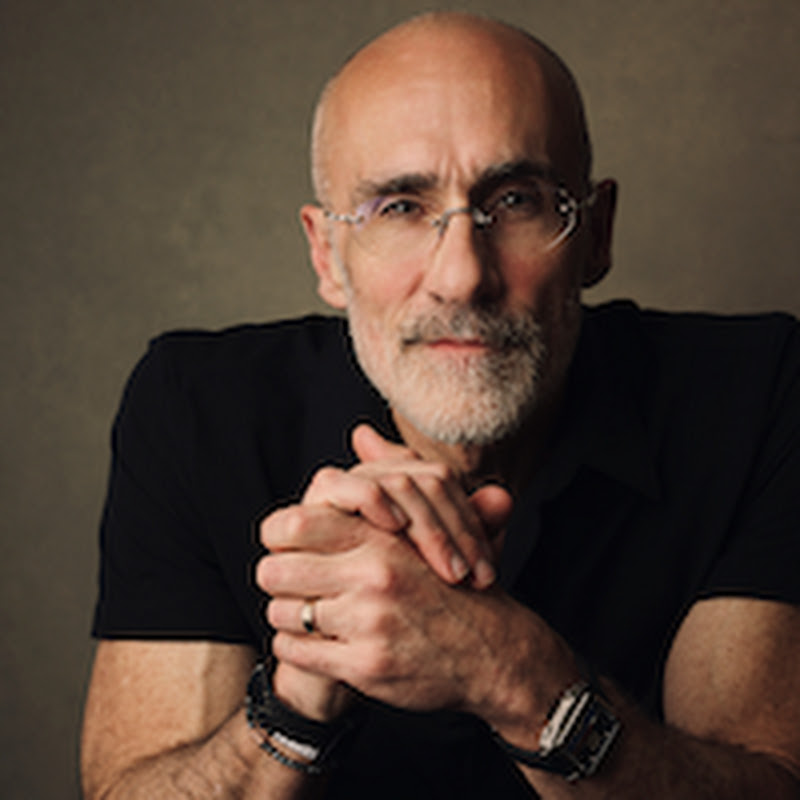
Arthur Brooks
Arthur Brooks
Dec 6, 2025
5 min read
Watch · 5

TLDR: Research on happiness reveals that the highest levels of enjoyment, satisfaction, and meaning come from four consistent daily habits: a faith or philosophical practice that transcends oneself, serious engagement with family life, cultivation of real (not transactional) friendships, and work dedicated to both personal success and service to others. These form what Brooks calls a "happiness pension plan"—daily deposits that compound over time.

Read · 7 sections

What Are the Four Core Habits of Happy People?

The foundation of sustained happiness rests on four pillars that research consistently identifies in the lives of the most content, fulfilled people. These are not occasional practices or aspirational goals—they are daily habits that form the backbone of a meaningful life. Brooks frames them as "deposits" into a "happiness pension plan," suggesting that their value accumulates over time through consistent practice (0:00).

The four habits are:

  • Faith or a philosophical practice
  • Family life
  • Real friendships
  • Work that earns success and serves others

How Does Faith or Philosophical Practice Build Happiness?

The first habit centers on what Brooks calls "faith or philosophical life"—a daily practice oriented toward something larger than oneself (0:17). This is not inherently religious, though religious faith certainly qualifies. The core mechanism is transcendence: standing in awe of something bigger than your immediate concerns and ego.

The research shows that people who engage daily with this dimension experience the highest levels of what Brooks identifies as the "macronutrients of happiness": enjoyment, satisfaction, and meaning (0:12). Unlike fleeting pleasure, meaning-making rooted in transcendence provides a stable foundation for well-being. Whether through prayer, meditation, philosophical study, time in nature, or engagement with art and beauty, the practice itself matters less than the consistent attention paid to something beyond the self.

Why Does Family Life Matter So Much?

The second habit is taking family life seriously. This appears straightforward but carries specific weight in Brooks's framework: it is not incidental to happiness, but central to it. The happiest people deliberately invest time, energy, and attention in family relationships, treating these bonds as essential nutrients rather than obligations to manage around other priorities.

What's the Difference Between Real Friends and Deal Friends?

The third habit—real friendships—presents a particular challenge in modern life, especially in professional contexts. Brooks identifies a critical distinction: the difference between real friends and what he calls "deal friends" (0:38). Deal friends are transactional relationships, often tied to business, professional advancement, or circumstantial proximity. They are not worthless—Brooks acknowledges they are "good"—but they do not provide the nutrient that happiness requires.

Real friendships are characterized by genuine care that exists independent of utility or mutual benefit. This distinction matters especially for people in management and senior positions, where relationships often become instrumentalized. The higher one climbs professionally, the fewer real friends one typically has, replaced instead by deal friends tied to status, power, or business interests (0:34). The happiest people actively resist this drift by prioritizing and maintaining relationships rooted in authentic connection rather than transaction.

How Should Work Contribute to Happiness?

The fourth habit reframes the relationship between work and well-being. The goal is not to escape work or minimize its role, but to align work with two simultaneous aims: earning success for oneself and serving other people (0:47). This dual orientation prevents work from becoming purely self-serving or purely self-sacrificial. Success matters—the research does not suggest that happiness comes from rejecting achievement or ambition. Rather, success gains its meaning and staying power when it is coupled with genuine service to others.

This habit suggests that fulfillment at work requires asking not just "Am I advancing?" but also "Who am I serving?" and "How does my work benefit people beyond myself?" When these are aligned, work becomes a source of the macronutrients of happiness rather than a drain on them.

How Do These Habits Work Together as a System?

Framed collectively as the "big four," these habits form an integrated system rather than isolated practices (0:50). Faith gives perspective and connection to meaning. Family provides belonging and continuity. Real friendships offer authentic recognition and support. Work delivers purpose and the satisfaction of contribution. Each reinforces the others: a faith practice deepens one's capacity to be present with family; strong family and friendships make service in work feel worthwhile; meaningful work can deepen one's sense of purpose within a spiritual or philosophical framework.

The "pension plan" metaphor is instructive: a pension is not built on one large deposit but on consistent, modest contributions over time. These habits work the same way. A single profound faith experience, one perfect family dinner, a meaningful conversation with a friend, or one act of service at work does not create lasting happiness. Rather, daily engagement—showing up consistently to these four domains—compounds into a stable, durable sense of enjoyment, satisfaction, and meaning.

Where to go from here

To apply this framework, consider auditing your current daily habits. Which of the four receives the most attention in your typical week? Which is most neglected? For many, the answer reveals an imbalance: perhaps work dominates, leaving family and friendships undercultivated. Or faith and philosophical practice may feel abstract or optional, easily displaced by urgency. The research suggests that happiness is not found by excellence in one area but by consistent engagement across all four. The question is not "Which habit matters most?" but rather "Which habit deserves more of my focus right now?"—acknowledging that the answer may shift seasonally or at different life stages, but the four remain foundational throughout.

Transcript

[0:00] There's four big habits that the

[0:02] happiest people have that they engage in

[0:04] every day. This is sort of the happiness

[0:06] pension plan. These are the deposits

[0:08] that you put in every day. Number one,

[0:10] all of the happiest people who have the

[0:12] highest levels of enjoyment,

[0:13] satisfaction, and meaning, which are the

[0:15] macronutrients of happiness, they're

[0:17] paying attention every day to their

[0:19] faith or philosophical life, which is

[0:22] religious or not, but is transcending

[0:24] themselves and standing in awe of

[0:26] something bigger. The second is their

[0:27] family life. they're taking their family

[0:29] life seriously. The third is that

[0:31] they're taking their friendships

[0:32] seriously. And that's super hard for

[0:34] people in business, especially the

[0:36] higher you go in management, the fewer

[0:38] real friends you have and the more deal

[0:40] friends that you have. And deal friends

[0:41] don't count. They're good, but that's

[0:43] not the nutrient that I'm talking about.

[0:45] And last, but not least is dedicating

[0:47] your work to earning your success and

[0:48] serving other people's. Faith, family,

[0:50] friends, and work that serves. Those are

[0:52] the big four.

Arthur Brooks
AuthorArthur Brooks

Watch more from Arthur Brooks on YouTube.

View profileWebsite
Explore Topics
Happiness-habitsFaith-philosophyRelationshipsFriendshipMeaningful-work

Got Questions?

Frequently Asked Questions

The four habits are: faith or a philosophical practice that transcends self, serious engagement with family life, cultivation of real (not transactional) friendships, and work dedicated to earning success while serving others. Research shows these provide the 'macronutrients of happiness': enjoyment, satisfaction, and meaning.
Deal friends are transactional relationships tied to business, status, or circumstance—useful but lacking the nutrient of authentic connection. Real friendships, rooted in genuine care independent of mutual benefit, are what contribute to sustained happiness, especially important for those in senior positions where deal friends often outnumber real ones.
Work contributes to happiness when it combines two aims: earning personal success and serving others. Work that is purely self-serving or purely self-sacrificial does not provide the nutrient needed. Aligning your work with both advancement and genuine service creates fulfillment.
No. Brooks identifies the habit as faith or philosophical practice—something that transcends yourself and creates a sense of awe toward something bigger. This can be religious, but also involves meditation, nature, art, or any daily practice oriented toward meaning beyond the self.
They work like a 'happiness pension plan'—results compound through consistent, daily deposits rather than single large actions. One meaningful conversation, prayer, or act of service does not create lasting happiness; the sustained practice over time builds durable enjoyment, satisfaction, and meaning.
Research suggests happiness requires engagement across all four. If you're currently neglecting some, identify which deserves more focus given your current life stage or circumstances. The goal is not perfection in one area but consistent attention to all four pillars.

Continue Reading

More on Inspire

View All
Four Proven Practices to Strengthen Your Marriage
Inspire

Four Proven Practices to Strengthen Your Marriage

Four evidence-based practices—play, prayer, eye contact, and touch—directly fortify marital bonds through neurobiological and emotional mech…

1 min read
Four Rules for Rebuilding Connection in Marriage
Inspire

Four Rules for Rebuilding Connection in Marriage

Marriage repair doesn't require endless rehashing of problems. Instead, shared fun, eye contact, physical touch, and reading together create…

1 min read
Four Career Types: Find Your Path & Psychology
Inspire

Four Career Types: Find Your Path & Psychology

Not all careers move upward in a straight line. Arthur Brooks explains four distinct career types based on psychology and how to find the on…

1 min read
6-Step Morning Protocol for Better Mood and Focus
Inspire

6-Step Morning Protocol for Better Mood and Focus

Science-backed morning habits to lower stress, boost mood, and protect your most productive hours each day.…

1 min read

Keep exploring

Continue your journey

More wisdom and gatherings from across the BrightStar directory.

More Articles

Browse the full library of teachings, interviews, and guides.

Back to all articles →

Teachers & Artists

Explore the lineages, musicians, and guides of the conscious world.

Explore artists →

Find an Event

Kirtan, retreats, sound baths, breathwork, festivals — happening soon.

Browse events →
Read more from BrightStarCreate Free Account
Host your own gatherings?Try the Demo