BrightStar

Ver todos os Events

Discover conscious gatherings

events

Yoga
Meditation
Breathwork
Qigong
Tai Chi
Sacred Music
World Music
Medicine Music
Sound Healing
Ecstatic Dance
Destinos populares
BaliSedonaLos AngelesCosta RicaNew YorkSan FranciscoAustinMiamiJoshua TreeTulum
Ver todas as categoriasVer todos os destinos

Explorar todos os recursos

Ferramentas poderosas para expandir seus eventos

Recursos da plataforma

Precificação dinâmica inteligente
Categorias de ingressos
Lugares marcados
Recuperação de carrinho abandonado
Recuperação de visitantes
Doações e preço variável
Sistema de afiliados
Scanner de ingressos
Códigos de desconto
Perguntas personalizadas
Compartilhamento de ingressos
Upsells e complementos
Análises e relatórios
Sequências de e-mail
Lista de espera / Notificar / Lembrar
Pessoas e Lugares
Artists & TeachersEvent OrganizersVenues & StudiosKnowledge BaseGlossaryInspiration
Ver todos os recursosSobre nós
PreçosBlog
Ver todos os eventos

events

YogaMeditationBreathworkQigongTai ChiSacred MusicWorld MusicMedicine Music

Destinos populares

BaliSedonaLos AngelesCosta RicaNew YorkSan Francisco

Pessoas e Lugares

Artists & TeachersEvent OrganizersVenues & StudiosKnowledge BaseGlossaryInspiration

Recursos da plataforma

Precificação dinâmica inteligenteCategorias de ingressosLugares marcadosRecuperação de carrinho abandonadoRecuperação de visitantesDoações e preço variávelSistema de afiliadosScanner de ingressosCódigos de descontoPerguntas personalizadasCompartilhamento de ingressosUpsells e complementosAnálises e relatóriosSequências de e-mailLista de espera / Notificar / Lembrar
Ver todos os recursosSobre nós
PreçosBlog
EntrarBuscadoresCriadores
Tibetan BuddhistOm Mani Padme Hum · Om Mani Padme Hum · Om Mani Padme Hum · Om Mani Padme Hum · Om Mani Padme Hum ·
  • Ver todos os Events
  • Para buscadores
  • Yoga
  • Meditation
  • Breathwork
  • Qigong
  • Tai Chi
  • Sacred Music
  • Retiros
  • Workshops
  • Todas as categorias →
  • Bali
  • Sedona
  • Los Angeles
  • Costa Rica
  • Tulum
  • Byron Bay
  • San Francisco
  • Austin
  • Todas as cidades →
  • Para criadores
  • Para escritores
  • Para professores
  • Para artistas de kirtan
  • Para estúdios
  • Para festivais
  • Para centros de retiro
  • Para organizações sem fins lucrativos
  • Embaixador da marca
  • Estudos de caso
  • Rede de 350K+ compradores
  • Recuperação de carrinho abandonado
  • Precificação dinâmica inteligente
  • Categorias de ingressos
  • Eventos recorrentes
  • Lugares marcados
  • Sistema de afiliados
  • Lista de espera / Notificar
  • Scanner de ingressos
  • Widget incorporável
  • Todos os recursos →
  • Sobre
  • The Ecosystem
  • Blog
  • Glossário
  • Inspiration
  • Central de ajuda
  • Contato
  • Documentação da API
  • Recursos da marca
  • Carreiras
  • Imprensa
  • Termos de Serviço
  • Política de Privacidade

Events

  • Ver todos os Events
  • Para buscadores
  • Yoga
  • Meditation
  • Breathwork
  • Qigong
  • Tai Chi
  • Sacred Music
  • Retiros
  • Workshops
  • Todas as categorias →

Destinos

  • Bali
  • Sedona
  • Los Angeles
  • Costa Rica
  • Tulum
  • Byron Bay
  • San Francisco
  • Austin
  • Todas as cidades →

Para criadores

  • Para criadores
  • Para escritores
  • Para professores
  • Para artistas de kirtan
  • Para estúdios
  • Para festivais
  • Para centros de retiro
  • Para organizações sem fins lucrativos
  • Embaixador da marca
  • Estudos de caso

Recursos

  • Rede de 350K+ compradores
  • Recuperação de carrinho abandonado
  • Precificação dinâmica inteligente
  • Categorias de ingressos
  • Eventos recorrentes
  • Lugares marcados
  • Sistema de afiliados
  • Lista de espera / Notificar
  • Scanner de ingressos
  • Widget incorporável
  • Todos os recursos →

Empresa

  • Sobre
  • The Ecosystem
  • Blog
  • Glossário
  • Inspiration
  • Central de ajuda
  • Contato
  • Documentação da API
  • Recursos da marca
  • Carreiras
  • Imprensa
  • Termos de Serviço
  • Política de Privacidade
BrightStar
© 2026 BrightStar. Todos os direitos reservados.
Inspiration

Four Proven Practices toStrengthen Your Marriage

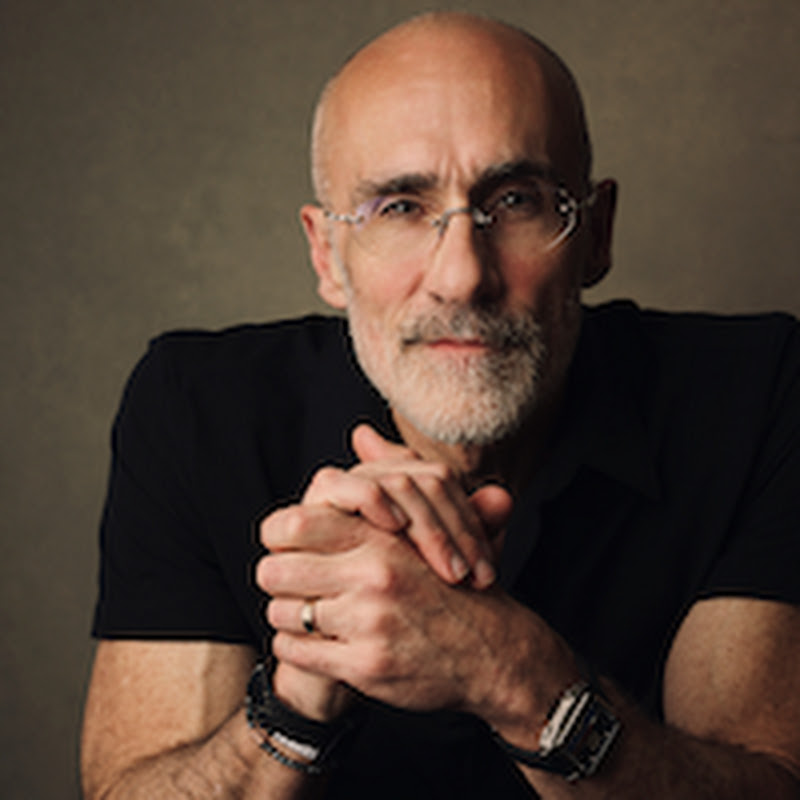
Arthur Brooks
Arthur Brooks
Feb 21, 2026
6 min read
Watch · 5

TLDR: Marital strength depends less on processing grievances in therapy and more on four specific daily practices: increasing shared play and fun, meditating or praying together, maintaining eye contact during conversation, and regular physical touch. Each practice works through distinct neurobiological pathways—oxytocin bonding, right-hemisphere integration, and nervous-system regulation—that compound when practiced consistently. These are not feel-good suggestions but measurable interventions that directly address why marriages either thrive or stagnate.

Read · 6 sections

Why Fun Matters More Than Grievance Processing

The first principle is counterintuitive: couples spend enormous energy in therapy rehearsing old grievances, but this rarely strengthens the bond. The alternative is to have more fun together. This is not avoidance—it is redirection of emotional energy toward what actually builds marital cohesion.

Fun and play activate different neural circuits than grievance processing. When couples laugh, play games, or engage in activities they enjoy together, they activate reward pathways and shared memory formation. Grievance rehearsal, by contrast, locks attention on past hurt and blame cycles. While processing genuine injury matters, the preponderance of couple time spent in grievance mode leaves little room for the neurological states that create bonding. Brooks suggests the fix is simple but requires discipline: allocate more marriage energy to play and less to rehearsal.

This does not mean ignoring problems, but it does mean recognizing that most marriages improve faster through accumulated moments of joy and laughter than through additional rounds of conflict analysis.

Why Pray or Meditate Together to Fuse the Right Hemisphere

The second protocol targets a specific neurological goal: fusing the right hemispheres of both partners. The right hemisphere governs intuition, nonverbal communication, emotional resonance, and what neuroscience calls "holistic" processing. When two people enter a state of deep attention or prayer together, they synchronize their right-hemisphere activity.

Meditation and prayer are the most efficient ways to achieve this fusion because both practices quiet the left hemisphere's constant analysis and language-based chatter and activate the right hemisphere's capacity for presence and emotional attunement. When partners meditate or pray together regularly, they develop a shared internal state—a kind of emotional synchrony that persists even when they are apart.

This is distinct from talking about feelings or working through problems. It is the cultivation of a mutual, wordless knowing. Over time, this synchronization makes partners more attuned to each other's unspoken needs and moods. It also reduces the defensiveness that language-based conflict can trigger, because the nervous system learns, through repeated meditation or prayer together, to relax in the presence of the other person.

How Eye Contact Releases Oxytocin, Especially for Women

The third protocol is deceptively simple: make eye contact whenever you talk. Never conduct a conversation without it. This is not a suggestion for better communication in the abstract—it is a lever for oxytocin release.

Oxytocin is the bonding neurochemical, but its effects are not equal across genders. Women produce and respond to oxytocin more robustly than men do. Specifically, women receive three times as much oxytocin benefit from eye contact as men do during connection. This has a direct consequence: women are better at bonding when oxytocin is present, but they are also more vulnerable to "oxytocin starvation" when it is absent.

When a wife looks into her husband's eyes during conversation and sees genuine presence, her oxytocin surges. This builds her sense of safety, connection, and trust in the marriage. When eye contact is absent—when partners talk while looking at phones, driving, or doing other tasks—her oxytocin does not rise, and over time she experiences a kind of biochemical deprivation. She becomes less able to bond and more prone to resentment or withdrawal.

For husbands, eye contact is important but less neurologically charged. This asymmetry matters: a wife's emotional experience of the marriage depends much more on consistent eye contact than a husband's does. Understanding this is crucial to understanding why a wife might feel "disconnected" even if the husband believes they are communicating fine—he is not experiencing oxytocin deprivation the way she is.

Why Physical Touch Reinforces the Bond, Especially for Men

The fourth practice is touch. Not sex necessarily, but consistent, affectionate physical contact: holding hands, arm-in-arm walks, hugs, shoulder touches. The instruction is simple: always be touching (ABT).

Like oxytocin sensitivity, touch has a gendered asymmetry. Physical affection is more neurologically important for men than for women, in terms of how it shapes felt connection and sense of masculine identity. When a man walks with his beloved and she hooks her arm into his arm, he feels—at a deep, wordless level—that he is "big and strong." This is not ego; it is his nervous system registering that he is trusted, needed, and part of a secure dyad.

Touch also regulates the nervous system more broadly. It lowers cortisol (the stress hormone), activates the parasympathetic system (rest and digest), and creates moments of physical attunement that need no explanation or discussion. Many couples who have lost physical affection report emotional distance even if they are not fighting. Restoring regular touch often precedes and enables other improvements in the marriage.

The practice is not complicated: hands held while watching television, an arm around a shoulder while cooking, a hug when leaving for work, fingers interlaced while sitting together. Small, consistent touches that say, without words, "you are here, you are safe, you are mine."

How These Four Practices Work Together

Each of these four interventions works through a different mechanism, but they compound. Fun and play create shared joy and positive memory. Prayer and meditation create right-hemisphere synchrony and wordless attunement. Eye contact floods the wife's oxytocin system. Touch regulates both partners' nervous systems and, for men especially, reinforces the sense of being needed and strong.

Together, they address the core vulnerabilities in marriage: the tendency to rehearse old wounds, the loss of spiritual or emotional alignment, the erosion of presence and attention, and the gradual starvation of physical affection. None of these require expensive counseling, weeks of vacation, or major life changes. They require only consistent, small actions.

The reason many marriages plateau or decline is not that couples stop loving each other, but that they stop practicing the behaviors that keep bonding chemistry alive. These four practices are the biochemistry of marital strength made actionable.

Where to Go From Here

Start with one practice. If your marriage is heavy with grievance processing, schedule one fun activity this week—something that makes you both laugh. If you have lost spiritual or meditative connection, commit to five minutes of shared silence together each evening. If eye contact has faded, make it a rule that one meal a day is eaten with phones away and eyes meeting. If touch has diminished, begin with one consistent point of contact—holding hands in the car, or a hug that lasts ten seconds instead of two.

These are not grand gestures. They are the daily microdecisions that either reinforce or erode a marriage. Done consistently, they work.

Transcript

[0:00] Here's how you fix every marriage. You

[0:01] do four things. Number one, you have

[0:03] more fun together [music] as opposed to

[0:04] rehearsing grievance. More fun, less

[0:07] grievance. Mhm. Therapy is like

[0:09] grievance, grievance, [music] grievance.

[0:10] And then have more fun together. Second

[0:12] is pray together. If you get married,

[0:14] the goal is to fuse your right

[0:15] hemispheres. The best way to do that is

[0:17] by meditating together, [music] is by

[0:19] praying together, is by doing right

[0:21] hemisphere activity together. The third

[0:23] protocol is to make eye contact whenever

[0:25] [music] you talk. Mhm. Never be talking

[0:27] without making eye contact. Way more

[0:29] important [music] for your wife than it

[0:30] is for you. Mhm. Way more important

[0:32] because she gets three times as much

[0:33] oxytocin, which means [music] she's

[0:35] better at bonding, but it also means

[0:37] that she's better at starving when she's

[0:39] not getting enough oxytocin. [music] And

[0:40] last but not least is remember ABT,

[0:42] always be touching. Always be touching.

[0:44] Always be touching. More important for

[0:45] men than for [music] women, as a matter

[0:47] of fact. That's why when you're with

[0:48] your beloved and she hooks her arm into

[0:50] your arm [music] while you're walking

[0:51] down the street, you're like,

[0:52] "I'm big and strong." Why?

Arthur Brooks
AuthorArthur Brooks

Watch more from Arthur Brooks on YouTube.

View profileWebsite
Explore Topics
Marriage-strengtheningOxytocin-bondingCouple-practicesEye-contactPhysical-touch

Got Questions?

Frequently Asked Questions

Women produce three times as much oxytocin from eye contact as men do, which intensifies bonding but also makes them more vulnerable to emotional distance when eye contact is absent. A wife's sense of connection directly depends on consistent visual presence during conversation.
Prayer and meditation synchronize the right hemispheres of both partners, creating a wordless emotional attunement and shared internal state. This reduces defensiveness and builds intuitive understanding that persists beyond the meditation itself.
Grievance processing has value, but spending most couple energy on rehearsing old wounds depletes the time and emotional capacity for play, fun, and bonding. The ideal is balance—addressing real injuries while prioritizing joy.
Physical affection registers more powerfully for men as a signal of being trusted, needed, and strong. Touch directly regulates the nervous system and reinforces masculine identity in ways distinct from its effects on women.
Yes. Consistent physical affection—hand-holding, hugging, arm-linking—lowers stress hormones, activates the relaxation response, and creates continuous signals of safety and belonging without requiring conversation or conflict processing.
It means creating synchrony between the intuitive, emotional, nonverbal parts of each partner's brains. Meditation and prayer achieve this by quieting left-hemisphere analysis and activating shared states of presence and attunement.
Start with one: eye contact during one conversation, five minutes of shared silence, a single fun activity, or one consistent point of physical touch. Small practices compound and begin to shift the nervous system before larger conversations occur.

Continue Reading

More on Inspiration

View All
4 Daily Habits of the Happiest People: Faith, Family, Friends, Work
Inspire

4 Daily Habits of the Happiest People: Faith, Family, Friends, Work

The happiest people share four core daily habits: faith or philosophical practice, family life, real friendships, and work that serves other…

1 min read
Four Rules for Rebuilding Connection in Marriage
Inspire

Four Rules for Rebuilding Connection in Marriage

Marriage repair doesn't require endless rehashing of problems. Instead, shared fun, eye contact, physical touch, and reading together create…

1 min read
Four Career Types: Find Your Path & Psychology
Inspire

Four Career Types: Find Your Path & Psychology

Not all careers move upward in a straight line. Arthur Brooks explains four distinct career types based on psychology and how to find the on…

1 min read
6-Step Morning Protocol for Better Mood and Focus
Inspire

6-Step Morning Protocol for Better Mood and Focus

Science-backed morning habits to lower stress, boost mood, and protect your most productive hours each day.…

1 min read

Keep exploring

Continue your journey

More wisdom and gatherings from across the BrightStar directory.

More Articles

Browse the full library of teachings, interviews, and guides.

Back to all articles →

Teachers & Artists

Explore the lineages, musicians, and guides of the conscious world.

Explore artists →

Find an Event

Kirtan, retreats, sound baths, breathwork, festivals — happening soon.

Browse events →
Read more from BrightStarCreate Free Account
Host your own gatherings?Try the Demo