

Essential Tina Malia Albums: A Listening Guide
The Recording Arc
Tina Malia's discography spans nearly three decades, beginning in the late 1990s with gentle lullabies and folk compilations before blossoming into one of contemporary sacred music's most distinctive voices. Her path moves from early work on children's albums and Celtic collections toward deeper explorations of devotional chant, world music fusion, and healing soundscapes. Through the 2000s, she established herself with albums like Shores of Avalon and Jaya Bhagavan, merging folk traditions with Sanskrit mantras. The 2010s brought ambitious full-lengths—The Lost Frontier, Bridge to Vallabha, Shakti Bass—that expanded her sonic palette with electronic elements and global rhythms. Recent years have seen both introspective solo work and collaborative compilations, culminating in 2026's Mâtîrja (Ancestral Mothers), which circles back to her core themes of divine feminine energy and ancestral reverence. Across 59 releases, Malia has remained committed to music as spiritual practice, creating soundscapes for yoga studios, meditation halls, and seekers everywhere.
Lullaby Favorites

Year: 1997
Among Malia's earliest documented work, this collection captures her voice in its purest, most tender form—offering traditional lullabies reimagined through a reverent lens. The album sits at the foundation of her catalog, revealing the gentle core that would later blossom into devotional chant and sacred song. Here, her tone is intimate and unhurried, each melody delivered as though sung directly to a sleeping child. These are not performances but offerings, small ceremonies of comfort rendered in voice and simple accompaniment. For listeners familiar with her later kirtan work, this album reveals where the tenderness began—before the mantras, before the Sanskrit, there was this essential human gesture: singing someone safely into sleep.
Start with: Any track—they form a continuous lullaby suite.
---
Circle Game: Folk Music For Kids
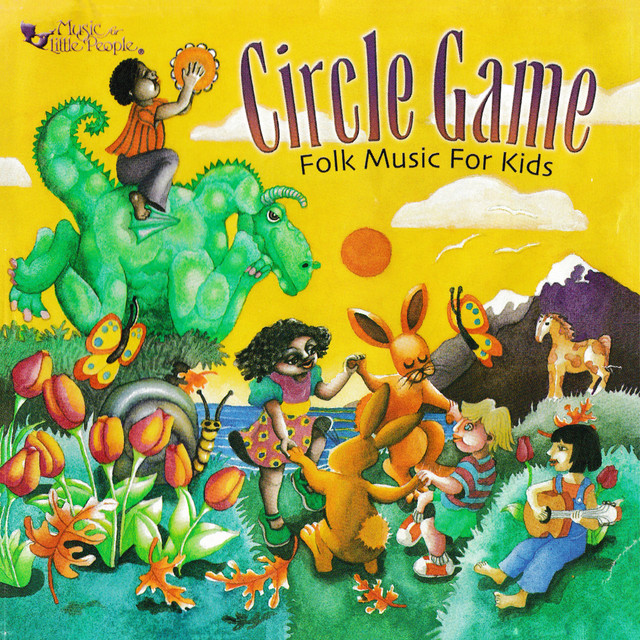
Year: 2001
A compilation appearance that finds Malia contributing to a thoughtfully curated collection of folk songs reimagined for young listeners. Her participation here demonstrates her early commitment to music as community-building, as transmission of cultural memory through melody. The album's tone is warm and participatory, evoking campfires and sing-alongs rather than performance stages. While Malia's individual contribution may be modest within this broader collection, it marks an important moment in her developing relationship with folk traditions—the same soil from which her later work with global folk forms would grow. The aesthetic is acoustic, unadorned, grounded in the belief that songs are meant to be shared, passed hand to hand, generation to generation.
Start with: Track down Malia's specific contribution for a glimpse of her early folk voice.
---
Shores Of Avalon
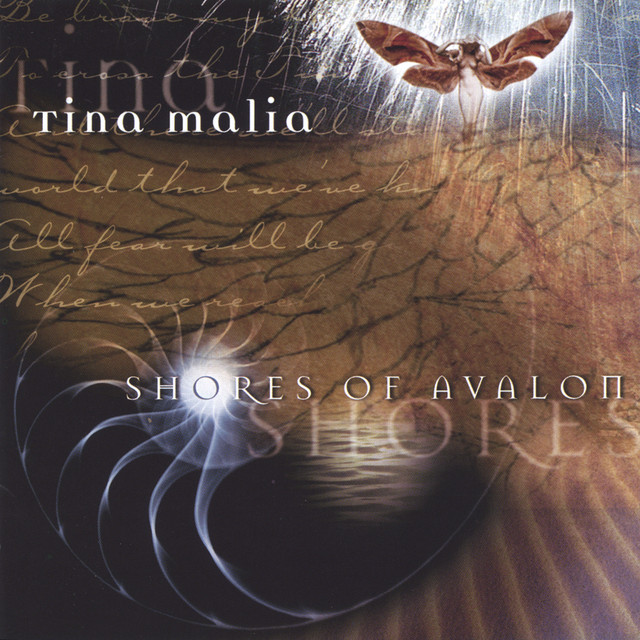
Year: 2002
This landmark album represents Malia's first major statement as a solo artist, weaving Celtic mythology, Arthurian legend, and mystical feminine energy into a tapestry of shimmering dream-folk. Shores of Avalon established the sonic signature she would refine for years to come: layered vocals that suggest choirs of ancient priestesses, harp and guitar intertwining like water over stone, and lyrics that blur the boundary between memory and myth. The album holds moments of profound stillness and sudden, soaring beauty—songs that feel like prayers offered at the edge of the ocean where this world meets the otherworld. For many longtime listeners, this remains the essential Tina Malia experience: her voice as a vessel for the sacred feminine, her melodies as portals to forgotten landscapes.
Start with: The title track—it sets the album's entire mythic tone.
---
Cicely Mary Barker's A Flower Fairy Alphabet
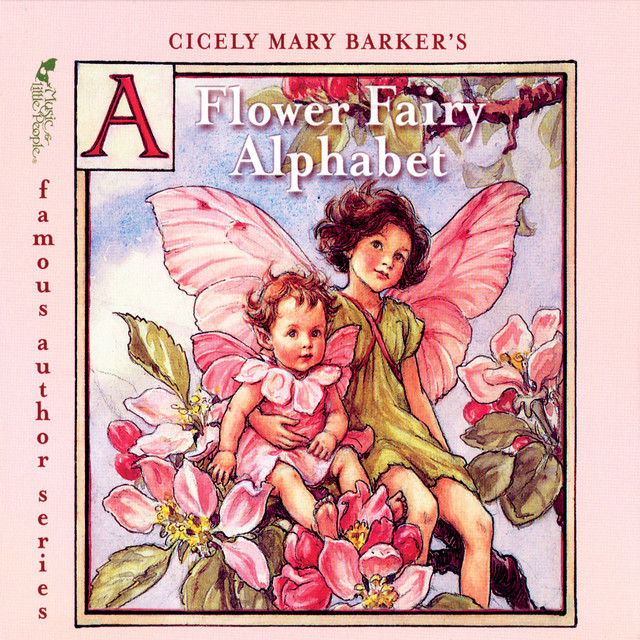
Year: 2003
A whimsical departure that finds Malia lending her voice to musical settings of Cicely Mary Barker's beloved flower fairy poems. This compilation album captures Malia in storyteller mode, her vocals delicate and crystalline, suited perfectly to the enchanted miniature worlds of Barker's illustrations. Each song becomes a tiny jewel box, a musical portrait of flora transformed into fairy-tale characters. While thematically lighter than her devotional work, the album shares the same reverence for nature and the unseen—the belief that beauty and magic permeate the botanical world. For listeners who know Malia primarily through her kirtan recordings, this offers a glimpse of her versatility and her genuine comfort with material aimed at nurturing young imaginations.
Start with: Let the alphabetical sequence guide you through these miniature enchantments.
---
Jaya Bhagavan
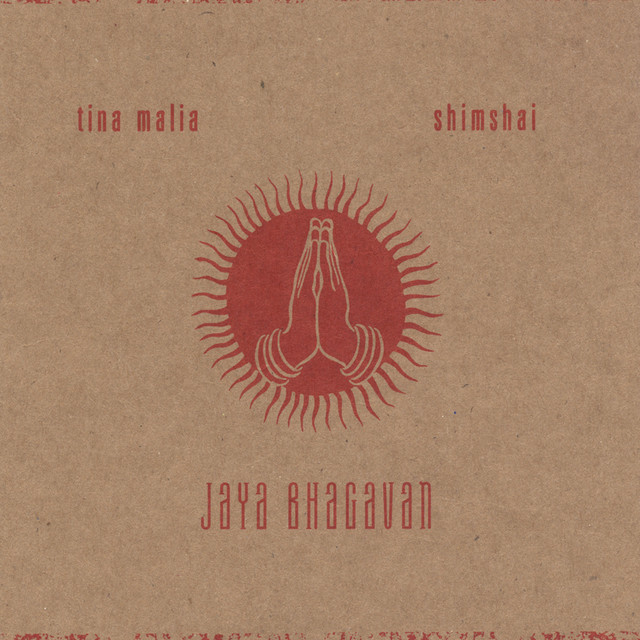
Year: 2004
A pivotal album where Malia fully embraces Sanskrit devotional music, chanting traditional mantras with a Western folk sensibility that makes ancient prayers feel immediate and accessible. Jaya Bhagavan marks her emergence as a bridge-builder between Eastern spiritual practice and Western musical aesthetics, her voice carrying the mantras with both reverence and remarkable intimacy. The production is warm, organic, built around acoustic guitars, gentle percussion, and Malia's signature vocal layering that transforms solo chant into communal prayer. This album sits at a crucial junction in her arc—the moment when her Celtic mysticism and her yogic practice fused into a unified artistic vision. For yoga practitioners and kirtan enthusiasts, this remains a touchstone recording, its bhajans and chants suitable for both meditation and movement.
Start with: "Jaya Bhagavan"—the title track invocation opens the door to everything that follows.
---
Self As Instrument

Year: 2004
An album-length meditation on the concept that the human voice—the body itself—is the primary instrument of spiritual expression. Here Malia explores improvisation, toning, and wordless vocalization alongside more structured chants, creating soundscapes that invite listeners into their own vocal exploration. The tone is experimental yet deeply nurturing, offering sonic spaces where the voice can unfold without the constraints of language or melody. This release holds particular significance for practitioners of sound healing and vocal yoga, providing both inspiration and practical templates for working with voice as a tool of transformation. Within Malia's catalog, it represents her most explicitly pedagogical work—music not just to listen to but to participate in, to practice with.
Start with: Let the album unfold sequentially; it's designed as a journey into vocal presence.
---
Heart of Innocence

Year: 2004
A compilation that gathers Malia's voice alongside other artists exploring themes of purity, childhood, and unspoiled wonder. Her contributions here capture a particular sweetness—less the devotional intensity of her kirtan work, more a gentle celebration of innocence as a spiritual quality worth preserving in adults and children alike. The album's aesthetic is soft-focused, dreamlike, with production that favors spaciousness and clarity. For Malia, this compilation represents another facet of her multidimensional artistry: her ability to inhabit different emotional registers without losing the essential authenticity that makes her voice recognizable across all contexts. These are songs that ask us to remember what it felt like before cynicism, before spiritual seeking became work.
Start with: Seek out Malia's specific tracks for her unique interpretation of innocence.
---
Lullaby

Year: 2005
Another appearance in the lullaby compilation landscape, this collection finds Malia returning to the territory of her earliest work with deeper maturity and vocal richness. By 2005, her voice had acquired the layered resonance of her devotional practice, bringing unexpected depth to traditional lullabies and gentle evening songs. The album holds moments of exquisite tenderness—Malia's voice functioning almost as a physical embrace, creating sonic containers safe enough for surrender and sleep. While she shares space with other artists here, her contributions stand out for their lack of sentimentality; these are lullabies that honor both childhood and the adults who sing to children, acknowledging the sacredness of that exchange without condescension.
Start with: Malia's individual tracks offer evening medicine for listeners of all ages.
---
Baby Love: Quiet Time

Year: 2006
A full album dedicated to creating sonic environments for children's rest and quiet play, with Malia's voice woven throughout as a calming presence. Baby Love: Quiet Time demonstrates her understanding of music's functional dimensions—these are not merely songs but acoustic architecture, carefully constructed to support specific states of being. The instrumentation is minimal and unobtrusive, allowing Malia's vocals to float like clouds across spacious soundscapes. Within her broader catalog, this album represents her most explicitly therapeutic work for young children, yet it avoids the cloying quality that mars much children's music. Instead, it offers genuine beauty and musical integrity, creating quiet that feels rich rather than empty, restful rather than boring.
Start with: Play the album in sequence as designed—a continuous quiet environment.
---
The Silent Awakening
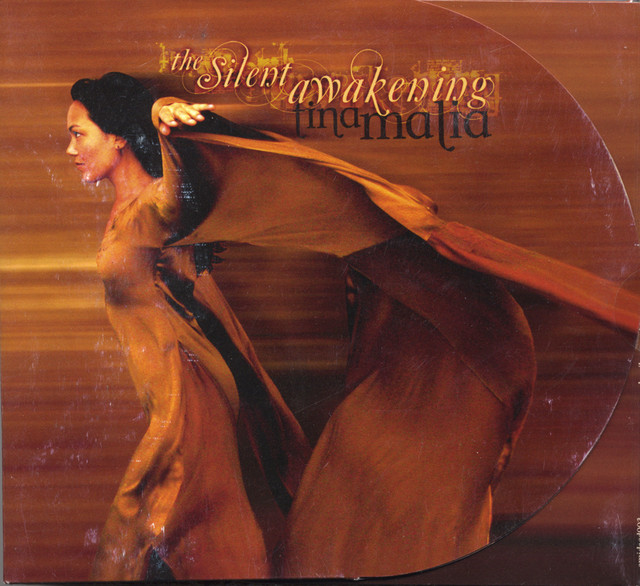
Year: 2006
An album that explores the paradox suggested by its title: awakening as a quiet, internal process rather than a dramatic external event. The Silent Awakening finds Malia working with extended soundscapes, allowing individual tracks to stretch and breathe, creating space for meditation and introspection. The aesthetic is contemplative, with production that favors resonance and decay—sounds that emerge from silence and return to silence, suggesting the cyclical nature of consciousness itself. This album sits at the meditative pole of her work, less immediately accessible than her kirtan albums but rewarding for listeners seeking sonic spaces for inner work. The mood is neither dark nor light but luminous in the way of dawn or dusk—liminal, transitional, holding potential.
Start with: Create space and silence before pressing play; this album asks for your full presence.
---
The Celtic Lounge II

Year: 2007
A compilation that reimagines Celtic musical traditions through contemporary production aesthetics, with Malia contributing her distinctive voice to this fusion project. Her inclusion here makes perfect sense given her earlier work on Shores of Avalon—she brings deep respect for Celtic source material while remaining unafraid of modern reinterpretation. The album's tone is sophisticated, designed for listening rather than dancing, honoring the "lounge" in its title with production that favors atmosphere and mood. For Malia, this represents a continuation of her relationship with Celtic traditions, demonstrating that her devotional work with Sanskrit mantras hasn't displaced her Western European roots but rather exists alongside them in her diverse artistic practice.
Start with: Track down Malia's specific contribution for a taste of Celtic-meets-contemporary fusion.
---
Indra's Web

Year: 2009
Named for the Buddhist metaphor of infinite interconnection—each jewel in Indra's net reflecting all others—this album explores themes of unity, interdependence, and the web of relationship that connects all beings. Indra's Web represents some of Malia's most musically sophisticated work to date, incorporating subtle electronic textures, global percussion, and intricate vocal arrangements that mirror the album's conceptual framework. The tone is both cosmic and intimate, suggesting vast scales while remaining deeply personal. Within her catalog, this marks a maturation—the confidence to build complex sonic architectures that still center the voice as the primary vehicle of meaning. These are songs that reward repeated listening, revealing new layers with each encounter.
Start with: The opening track establishes the album's intricate, interconnected aesthetic.
---
Sweet Slumbers: Soothing Lullabies For Kids

Year: 2010
Another compilation appearance that finds Malia offering lullabies to a new generation of young listeners, her voice now carrying the accumulated wisdom of a decade-plus of spiritual practice and musical refinement. By 2010, she has become one of the most trusted voices in this niche—parents and caregivers seek out her contributions specifically for their authentic gentleness and lack of performative cuteness. The album's overall aesthetic is soothing without being soporific, creating sonic environments that support rest without demanding it. Malia's specific tracks stand out for their musical integrity; she never condescends to her young audience but instead offers them the same quality of presence she brings to her adult-oriented devotional work.
Start with: Seek Malia's individual tracks for bedtime listening with children or for your own evening practice.
---
Wildstyle

Year: 2010
A bold departure that lives up to its title, Wildstyle finds Malia experimenting with electronic production, global bass rhythms, and a more assertive vocal presence than her earlier meditative