
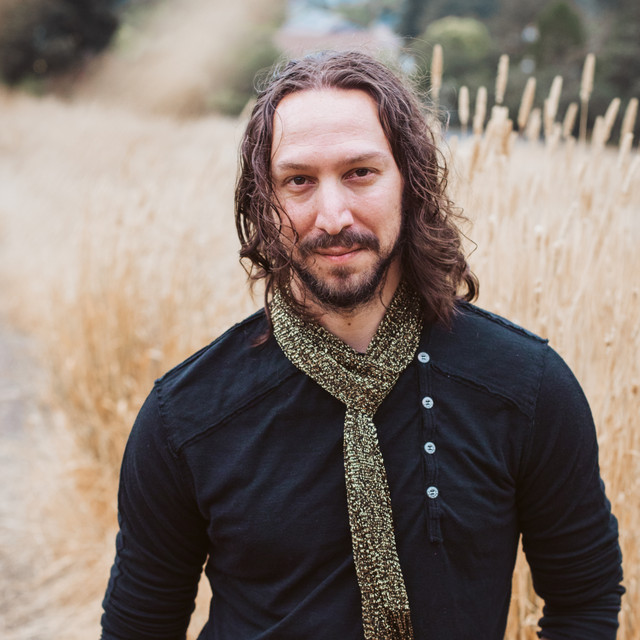
Where to Start with Ram Dass Khalsa: A Beginner's Guide
The Single Best Entry Point: A Live Workshop or Retreat Recording
If you're new to Ram Dass Khalsa, your best starting point is attending or finding a recording of one of his introductory Kundalini Yoga workshops. These sessions typically run 90 minutes to two hours and give you the complete experience: guided meditation, chanting (often with live music), practical yoga instruction, and direct teaching on Sikh philosophy woven throughout. Unlike reading about these practices, experiencing them in real time—even through a recording—lets you feel what Kundalini Yoga actually does in your body and nervous system. You'll hear his voice guiding breathwork, follow along with movements designed to activate specific energy channels, and participate in call-and-response chanting that makes the philosophy tangible rather than abstract.
What Comes Next
After that first workshop, move to regular satsang recordings—the devotional gatherings where Ram Dass Khalsa leads chanting, offers short teachings, and creates space for collective healing. These are less instructional and more experiential, giving you a taste of the community aspect central to his work.
Then explore his approach to meditation through dedicated meditation sessions or teachings. While his workshops blend everything together, these focused sessions let you understand his specific techniques for building a sustainable practice—something you'll need if this work starts resonating.
Finally, seek out any talks specifically on personal growth and healing. This is where Ram Dass Khalsa connects ancient Sikh wisdom to contemporary challenges: trauma, purpose, relationship patterns, and spiritual bypass. These teachings show you how to integrate the practices into actual life rather than keeping them confined to your yoga mat.
What to Expect on First Encounter
You'll likely feel disoriented. Kundalini Yoga isn't gentle stretching—it's vigorous, repetitive movements synchronized with powerful breathing techniques. You might feel heat, tingling, emotional releases, or nothing at all. The chanting will seem strange if you've never done it. Ram Dass Khalsa's teaching style blends accessibility with traditional rigor, so expect both "this makes immediate sense" moments and "I have no idea what's happening" confusion.
The music and chanting serve as entry points, not decoration. Don't passively listen—participate, even if you feel self-conscious. The practices work through doing, not understanding.
Common Misunderstandings
Beginners often mistake Ram Dass Khalsa's work for relaxation therapy. It's not. Kundalini Yoga is designed to create intensity that catalyzes change. If you come expecting spa vibes, you'll be confused by the challenge.
Others treat the Sikh philosophy as optional window dressing around the "real" practices. This misses the point entirely. The philosophy provides the container that makes the practices coherent and prevents them from becoming just another fitness routine.
Some assume his American background means he's watered down traditional teachings. Actually, his Western lens often makes him better at translating these practices for students who didn't grow up in Indian spiritual culture, while maintaining the depth and discipline of the lineage.
When This Work Lands Hardest
Ram Dass Khalsa's teachings tend to hit during three specific life phases: major transitions (divorce, career change, relocation), after conventional therapy or self-help has taken you as far as it can, and during periods of spiritual seeking when you're ready for practice over theory.
This work is especially powerful when you're willing to commit to regular practice rather than dabbling. It's less effective as crisis intervention and more powerful as a sustained path.
Your One-Week Starter Plan
Day 1-2: Watch or attend an introductory Kundalini Yoga workshop. Do the practices, don't just observe.
Day 3-4: Practice a basic 11-minute meditation he teaches, ideally the same one each day. Notice your resistance.
Day 5: Listen to a satsang recording. Try chanting along even if you feel ridiculous.
Day 6: Do 20 minutes of Kundalini Yoga kriyas (exercise sets) from the workshop, followed by the meditation.
Day 7: Read or listen to a talk on personal growth. Journal on what you're noticing in your body, emotions, and thoughts after six days of practice.
Then decide whether to commit to 40 days—the traditional minimum for establishing a Kundalini practice.