Best Programs at Satchidananda Ashram – Yogaville for Beginners

Best Programs at Satchidananda Ashram – Yogaville for Beginners
The fear is always the same: everyone will be thinner, more flexible, more spiritually evolved. You'll stumble through Sanskrit words while others chant fluently. You'll be the only one who can't touch your toes or sit cross-legged without your knees screaming.
This fear is misplaced at Yogaville. The ashram operates on Integral Yoga principles, which emphasize meeting people where they are. You'll see seventy-year-olds in chairs during meditation, people modifying poses, first-timers openly asking what words mean. The one time this fear is warranted: if you book a program explicitly labeled "advanced" or "intensive teacher training" as your entry point. Otherwise, assume you belong.
Programs That Work for First-Timers
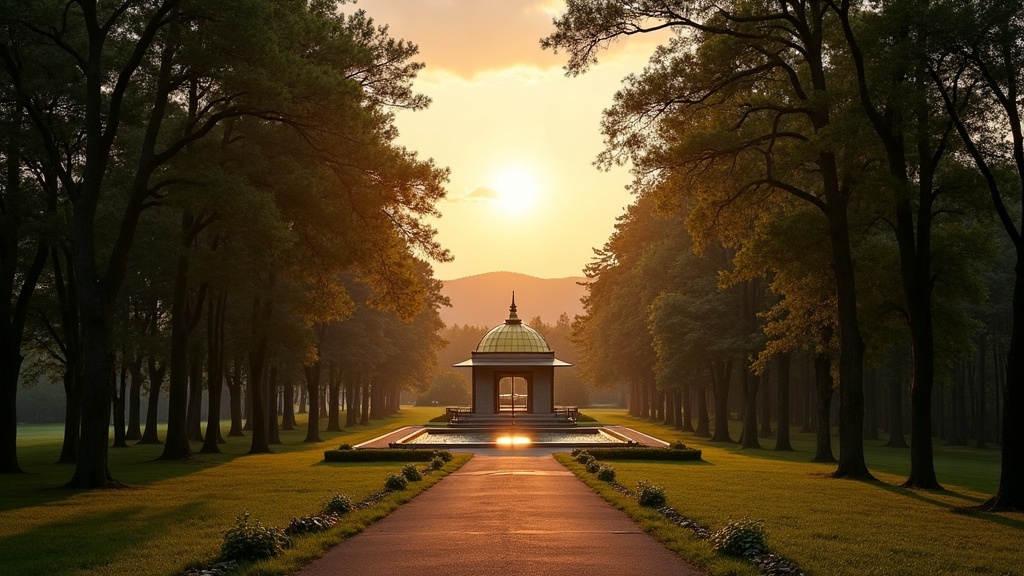
Introduction to Integral Yoga weekends are purpose-built for beginners. These cover the basics: asana practice, pranayama (breath work), meditation instruction, and the philosophy underlying Satchidananda's teaching. You'll learn why the LOTUS shrine contains twelve faith symbols and what "existence, consciousness, bliss" means in daily practice. The schedule is gentle—two or three sessions daily with long breaks.
Hatha Yoga Immersions give you concentrated mat time without the pressure of certification programs. These run three to five days and focus on alignment, breathing techniques, and building a personal practice. Instructors expect mixed ability levels. You'll practice in studios with pasture views, which helps when you're wobbling in tree pose.
Meditation and Mindfulness Retreats suit people who want less physical demand. You'll sit, walk, and practice gentle movement, but the emphasis is on training attention. These work especially well if you're recovering from injury or coming from a stressful period where rigorous physical practice feels like another demand rather than a relief.
Ayurveda and Wellness weekends combine light yoga with teachings on diet, daily rhythms, and self-care according to ancient Indian medicine. The practical focus—what to eat, when to sleep, how to structure your morning—gives you concrete tools. Less philosophy, more application.
Seva (Service) Retreats let you work alongside long-term residents. You might garden, help in the kitchen, or maintain the grounds. This works for people anxious about performing spirituality correctly. Physical work becomes the practice. You'll leave understanding ashram life from the inside.
What "Level" Actually Means Here
Yogaville uses "level" to indicate familiarity with forms, not achievement. A Level 1 asana class means the teacher will explain every pose and offer multiple modifications. Level 2 assumes you know basic poses and can hold them longer. Level 3 expects you to self-regulate and modify without detailed instruction.
This is different from fitness-studio thinking where levels correlate with difficulty or athletic ability. An 80-year-old with decades of practice might take Level 1 classes. A flexible 25-year-old gymnast might struggle in Level 2 because she doesn't understand the internal work.
Programs to Skip Your First Time
200-Hour Teacher Trainings are too intense for initial exposure. These assume baseline knowledge and commitment. You'll be lost and exhausted.
Silent Retreats lasting more than three days can destabilize people without meditation experience. Silence amplifies whatever you're carrying. Better to build capacity first.
Advanced Pranayama intensives require established breath awareness. Forcing advanced techniques without foundation can cause dizziness, anxiety, or hyperventilation.
Specialized therapeutic programs (for trauma, addiction, specific health conditions) need consultation with program directors first. These aren't beginner/advanced distinctions but rather clinical considerations.
Choosing Your Length
A weekend tests whether you like ashram rhythm—rising early, scheduled meals, communal silence during breakfast, evening meditation. Choose this if you're unsure about the whole enterprise or can't take more time off.
Five days gives you enough time to stop performing and start being. The first two days you're adjusting, performing "retreat person." Days three through five let you settle into actual practice. Choose this if you're genuinely interested but need to return to work/life with minimal disruption.
A week or longer allows transformation rather than just exposure. Your body adapts to the schedule, your mind stops narrating everything, patterns become visible. Choose this if you're at a transition point or know you need substantial reset time.
When You're Ready for More
You'll know you're ready for advanced offerings when you stop caring what anyone thinks of your practice. Not in a defiant way—in a settled way. When you can sit through discomfort without immediately adjusting. When you're curious about going deeper rather than proving you can do something.
The specific signal: you finish a retreat and immediately want to return, not because it was comfortable, but because you glimpsed something that requires more attention than a weekend allows.