Best Time to Visit Sharpham House: A Seasonal Guide
Best Time to Visit Sharpham House: A Seasonal Guide
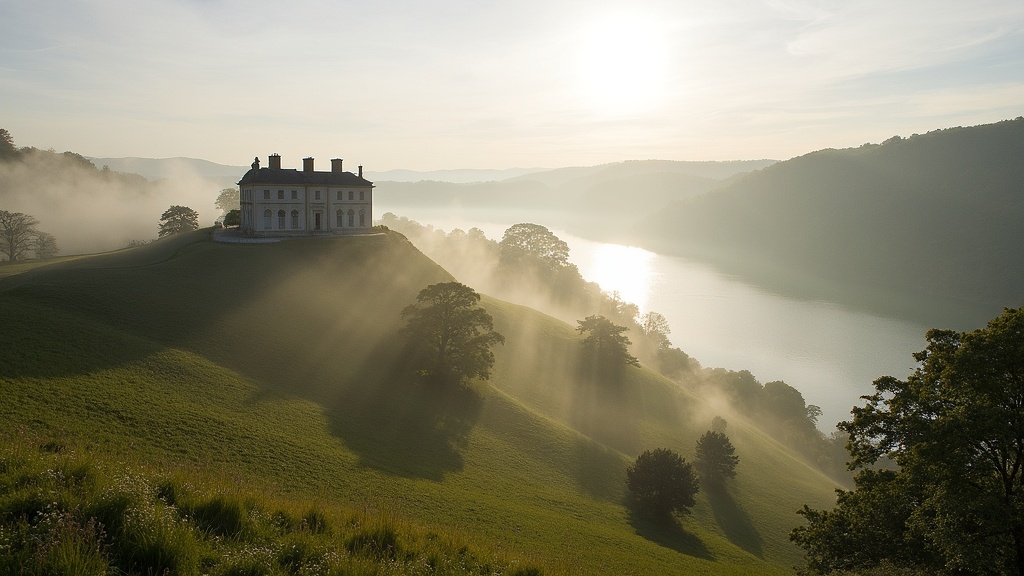
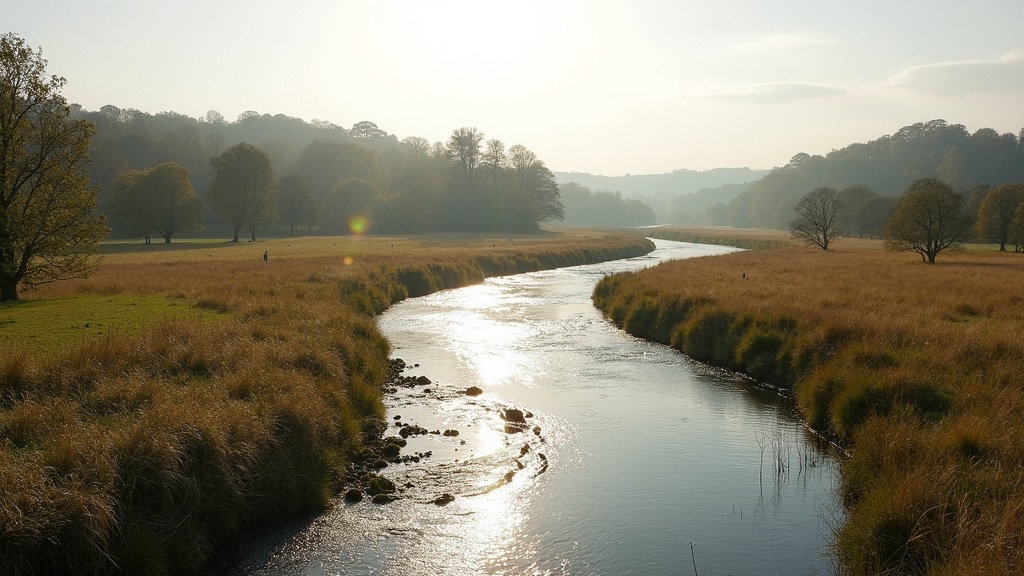
The River Dart winds through south Devon in a series of languid curves, and at one of its most dramatic bends sits Sharpham House—a Georgian masterpiece surrounded by meadows that shift with the seasons. Timing your visit to this retreat center means considering not just the weather, but the particular quality of contemplative life that each season brings to its 550 acres of organic farmland and ancient woodland.
Winter: Silence and Stillness (December–February)
Winter at Sharpham offers something rare in our overstimulated world: genuine quietness. The retreat schedule during these months tends toward longer silent retreats and intensive meditation programs, drawing practitioners who want to go deep without distraction. With fewer visitors overall, winter creates an atmosphere of monastic stillness that suits those comfortable with their own company and serious about practice.
The Palladian mansion takes on an almost austere beauty when frost edges the windows and mist hangs over the River Dart below. The famous cantilevered staircase that Pevsner praised catches winter light in a completely different register than summer—softer, more contemplative, gray rather than golden. Walks through the grounds become bracing rather than leisurely, and the wood smoke from the fireplaces becomes a welcome punctuation to meditation sessions.
Devon's maritime climate means winter here is milder than much of Britain, but it's decidedly damp. Expect temperatures hovering between 4-9°C (39-48°F), frequent drizzle, and short days. Pack layers and waterproofs, but know that the coziness indoors becomes all the more precious. Winter suits seasoned retreat-goers, those who find the darker months spiritually potent, and anyone seeking solitude over socializing.
Spring: Awakening (March–May)
Spring transforms Sharpham into something almost embarrassingly beautiful. The rewilding meadows begin their emergence, lambs appear on the organic farmland, and the woodland edges bloom with bluebells and wild garlic. The retreat program typically expands during these months, blending silent retreats with mindfulness courses that draw newcomers inspired by longer daylight and warming weather.
This is when the estate's setting truly announces itself—the horseshoe bend of the Dart becomes a theatrical backdrop for contemplative walks, and the grounds invite the kind of nature-based meditation practice that feels forced in winter. Temperatures climb from around 8°C in March to 15°C by May (46-59°F), though April showers are genuine. The increasing light creates energy that some find supportive for practice, while others find it slightly activating compared to winter's inwardness.
Spring occupies an interesting middle ground in terms of visitor numbers. Easter can bring fuller retreats, but much of the season remains relatively quiet. This makes it particularly appealing for first-timers who want some company without crowds, and enough gentle weather to explore the grounds between sessions.
Summer: Abundance and Community (June–August)
Summer is peak season at Sharpham, both in terms of visitor numbers and the sheer sensory abundance of the setting. The 550 acres are fully alive—wildflowers, birdsong, the Dart glittering below, sunset not arriving until after 9 PM. The program schedule is fullest now, with multiple overlapping retreats and courses that create a gentle hum of contemplative community.
The Georgian house feels expansive in summer, with windows open to catch breezes off the river and meditation sometimes moving outdoors. Devon's mild maritime climate keeps temperatures comfortable—typically 15-20°C (59-68°F)—though heat waves can push higher. Rain remains possible (this is still Devon), but warm rain has a different quality than winter drizzle.
The busy season brings trade-offs. There's more social energy, which some find supportive and others find distracting. Booking requires more advance planning. But for those new to retreat life, the fuller summer schedule often includes more introductory programs and the presence of other beginners. The luxuriant setting also helps when meditation feels challenging—the beauty itself becomes a teacher.
Fall: The Contemplative Sweet Spot (September–November)
Ask longtime practitioners when they prefer visiting Sharpham, and many will point to autumn. September and October especially offer what some consider the ideal conditions: warm enough for comfortable outdoor sitting (10-16°C), but with that particular quality of slanting light and increasing stillness that supports inward work. The estate's trees begin their color transformation, the harvest is visible on the organic farmland, and visitor numbers drop after the summer rush.
The program schedule remains robust through October before quieting in November. This combination—good weather, beautiful setting, fewer people, and solid program offerings—makes autumn particularly appealing for first-time retreat-goers who want a supported experience without summer crowds. November turns notably darker and wetter, beginning the transition toward winter's austerity, but even then has a devoted following among those who appreciate its threshold quality.
Choosing Your Window
The honest truth about Sharpham is that the "best" time depends entirely on what you're seeking. Summer offers the most accessible entry point—warmest weather, fullest program schedule, most company—but also the least solitude. Winter provides the deepest quiet but demands comfort with both silence and damp chill.
For first-timers, the shoulder seasons of spring (late April-May) and fall (September-October) offer the most balanced experience: pleasant weather, manageable visitor numbers, and the grounds at their most evocative. The booking window matters too—summer and popular retreat leaders require months of advance planning, while winter programs often have last-minute availability.
Ultimately, this Georgian mansion beside its river bend offers something worthwhile in every season. The question is which combination of inner and outer weather suits your practice right now.