Best Programs at Radiantly Alive for Beginners
Best Programs at Radiantly Alive for Beginners
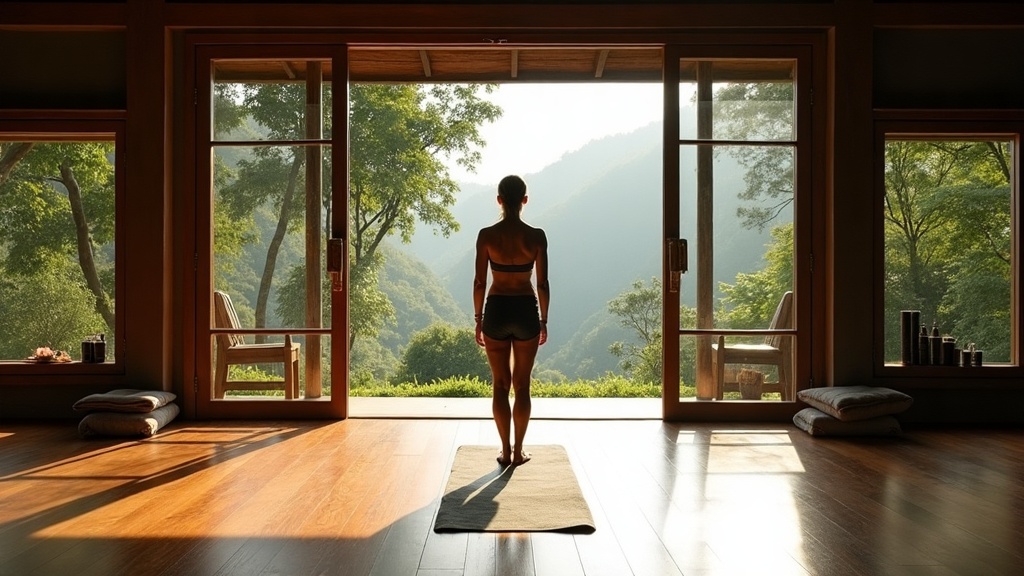
The fear hits hardest when you're booking flights. You imagine walking into that jungle shala and everyone else flowing through sun salutations while you're still figuring out which way to unroll your mat. You picture Sanskrit terms flying around, inside jokes about bandhas, and a room full of bendy bodies that make yours look like it was assembled with wrong-sized parts.
Here's what actually happens: you arrive, and roughly half the room is faking confidence just like you. The other half remembers being exactly where you are. Radiantly Alive has been running programs since 2012, and the teachers have seen thousands of nervous first-timers walk through. They're not interested in performance yoga. They want you on the mat, breathing, trying.
The fear is misplaced when it comes to judgment. It's warranted if you think you can skip fundamentals and dive into advanced pranayama or teacher training as your introduction to practice. That's not courage; it's self-sabotage.
The Five Program Types That Work for First Retreats
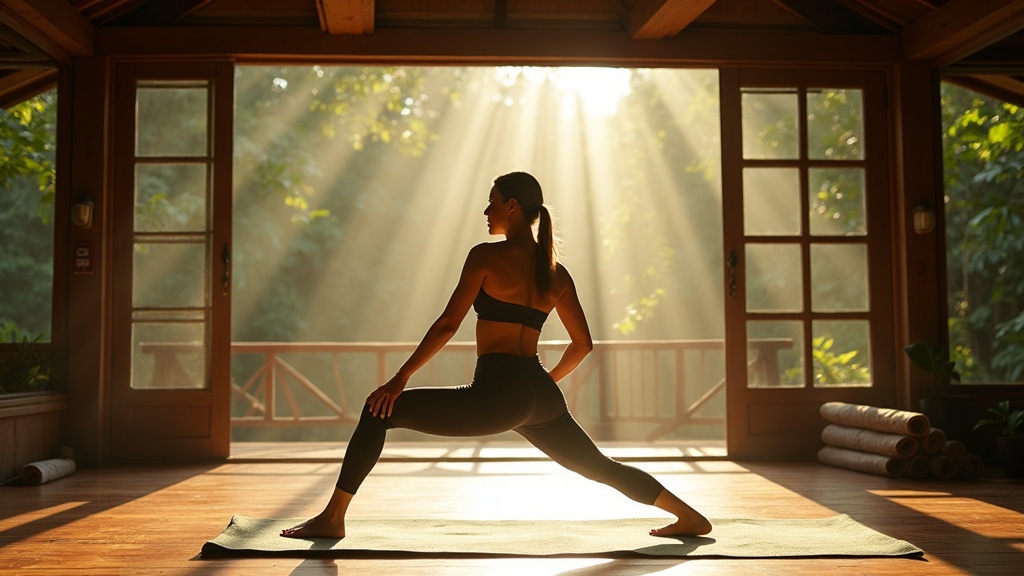
Vinyasa Flow Foundations is the entry point most people need but skip because they think "foundations" sounds remedial. It's not. Vinyasa links breath with movement, and at Radiantly Alive, the jungle setting makes the breath easier to hear and follow. You learn the basic poses, the logic of sequencing, and how to modify when your hamstrings feel like bridge cables. Start here if you've taken a few drop-in classes elsewhere or you're completely new.
Hatha Yoga immersions move slower than Vinyasa, holding poses longer so you can actually feel what's happening in your body. First-timers often choose Vinyasa for the aesthetic, then discover they prefer Hatha because it doesn't feel like choreography. The contemplative pace suits people who are running from something stressful and need permission to stop performing.
Restorative Yoga and Yin combinations work for the anxious beginner who knows they're wound too tight for fast-paced classes. These programs use props, long holds, and gentle openings. You're not lazy for choosing this. You're strategic. Many people access deeper transformation in stillness than they ever do in power flow.
Sound Healing and Yoga Nidra programs barely qualify as yoga in the physical sense, which makes them perfect for people intimidated by the athletic side of practice. You lie down, listen, and let vibration or guided meditation do the work. These programs often combine with gentle morning Hatha or Restorative sessions, giving you a taste of movement without overwhelming your nervous system.
Breathwork and basic Pranayama offerings teach you the mechanics of breath control in short, manageable sessions. This is your entry if you're curious about yoga's subtler dimensions but not ready for full-day intensives.
What "Level" Actually Means Here
At Radiantly Alive, "level" refers to familiarity with the vocabulary and pace, not your ability to nail crow pose. A beginner class assumes you don't know what downward dog is called or where your sit bones are. An intermediate class assumes you know the names and can follow cues without visual demonstration. It has nothing to do with flexibility, strength, or how good you look doing it.
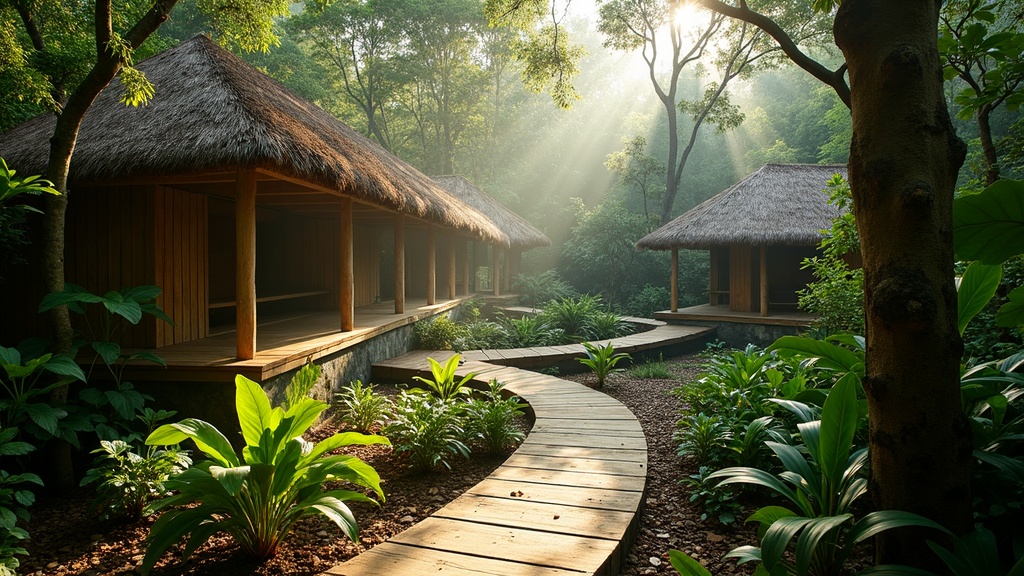
The jungle shala attracts serious practitioners, but serious doesn't mean exclusive. It means people are there to practice, not to socialize or perform. You belong if you're there to practice.
Programs to Skip on Your First Retreat
Avoid Ashtanga unless you've already practiced the primary series. It's a set sequence done the same way every time, and the room assumes you know it. Jumping in cold is disorienting.
Skip intensive Kundalini workshops. Kundalini activates energy in ways that can be psychologically destabilizing if you're not prepared. Do a few beginner Kundalini classes first.
Teacher training is not a retreat, even though it happens at retreat pace. It's professional development, and using it as your introduction to yoga is like learning to swim by becoming a lifeguard.
Avoid advanced Pranayama and Kriya Yoga intensives. Breath practices can trigger powerful releases. You need foundational awareness first.
How to Choose Your Duration
A weekend works if you're testing whether retreat-style practice suits you or if you can only escape briefly. It's enough to reset but not enough to unwind deeply embedded patterns.
A five-day program is the sweet spot for most first-timers. Days one and two you're adjusting. Days three and four you're actually in it. Day five you integrate. This is long enough to shift something real but short enough that your resistance doesn't build walls.
A week or longer suits people who know they need deep work, who've done therapy or personal development retreats before, or who have the life space to actually integrate what comes up. Don't choose this for bragging rights. Choose it because you're ready to sit with discomfort.
The Signal You're Ready for More
You're ready for intermediate or advanced offerings when you stop checking what everyone else is doing, when you can hold a pose and find steadiness instead of forcing depth, and when you're curious about why you practice instead of just what you're practicing. That shift from external to internal focus is the only graduation that matters.