Best Time to Visit Parmarth Niketan: A Seasonal Guide
Best Time to Visit Parmarth Niketan: A Seasonal Guide
Winter: The Peak Season of Sacred Convergence
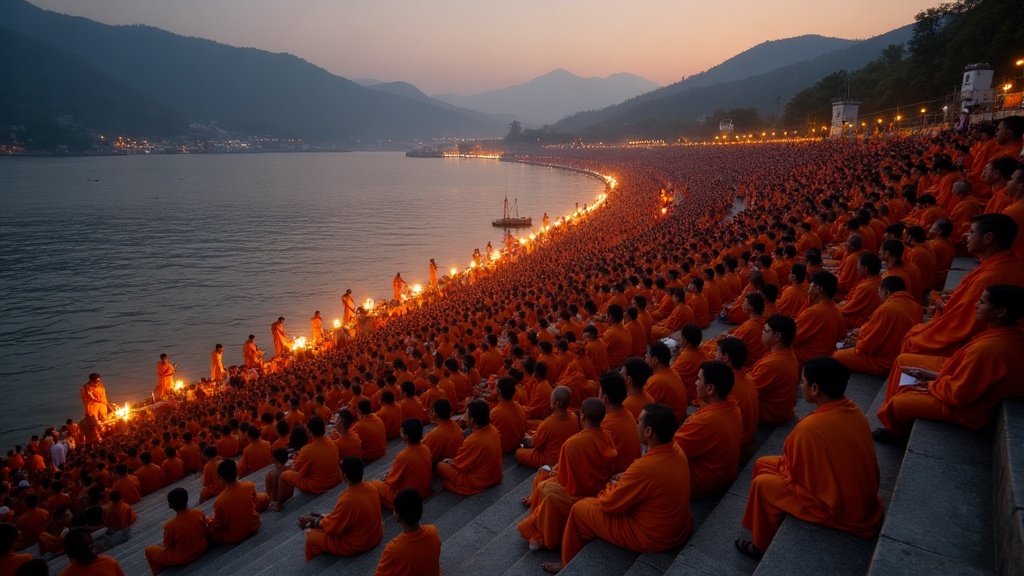
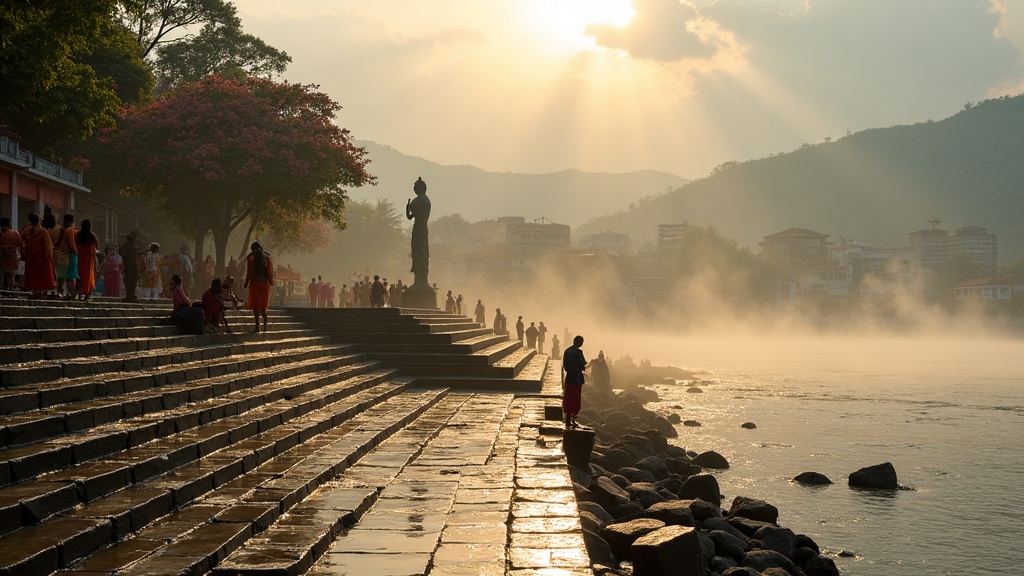
Winter descends on Parmarth Niketan with crystalline mornings and the distant white peaks of the Himalayas standing sharp against cobalt skies. From December through February, the ashram hums with its fullest energy—pilgrims wrapped in shawls gather for the evening Ganga Aarti as mist rises from the river, and the gardens fill with practitioners drawn to Rishikesh's legendary yoga teacher trainings. This is high season, when the ashram's thousand rooms fill quickly and the morning yoga sessions on the riverside ghat draw devoted crowds.
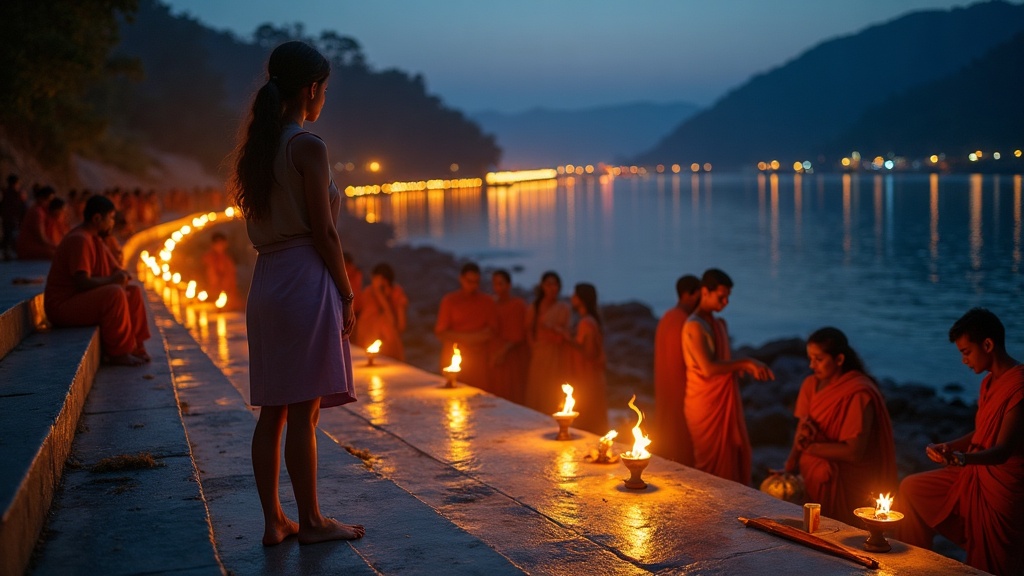
The temperature hovers between 7°C and 20°C, cool enough to require layers for dawn meditation but warming pleasantly by midday. Winter suits those who thrive in community and structured programming—the ashram runs its intensive yoga teacher training courses during these months, and the International Yoga Festival in early March draws teachers and seekers from across the globe. The Ganga Aarti ceremony takes on particular poignancy in winter's clarity, with oil lamps reflected in the cold, clear water. If you're comfortable with crowds and want the full immersion of ashram life at its most vibrant, winter delivers that collective spiritual momentum. Book accommodation well in advance.
Spring: Transition and the Festival Spirit
Spring arrives in March with warming days that stretch into balmy May afternoons, temperatures climbing from comfortable to genuinely hot—often reaching 35°C by late May. The ashram celebrates its calendar highlight in early March with the International Yoga Festival, a week-long gathering that transforms Parmarth Niketan into a global crossroads of yoga lineages. Teachers from dozens of traditions offer workshops beneath the sprawling canopy of the sacred Kalpavriksha tree, and the gardens become outdoor classrooms for kirtan, Vedic chanting, and Ayurvedic consultations.
Post-festival, the crowds thin slightly but the energy remains buoyant. The Ganges runs full with snowmelt, its turquoise current swift and alive. Spring suits adventurous practitioners who can handle increasing heat and don't mind the lingering bustle from winter's peak season. By April and May, foreign visitors begin to depart ahead of the approaching monsoon, creating a brief window where Indian pilgrims still visit but the ashram breathes a bit easier. The gardens bloom extravagantly, making morning walks particularly rewarding, though afternoon heat can send you seeking shade or a rest in your room.
Summer: The Monsoon Retreat
June through August brings the monsoon, and with it, a profound transformation. The ashram quiets considerably as heavy rains drench the Himalayas and the Ganges swells to a churning, coffee-colored torrent. This is low season—humidity climbs, temperatures hover around 25-30°C, and the romantic notion of monsoon yoga can be tested by days of persistent rain. Programming continues but with smaller groups, and the evening Ganga Aarti takes on an intimate quality with perhaps a few dozen participants rather than hundreds.
Summer suits contemplatives and those seeking genuine solitude within the ashram structure. The gardens turn lush and impossibly green, the sound of rain on leaves replacing the usual hum of conversation. Karma yoga opportunities—service work that's central to ashram life—become more personal and meaningful when there are fewer hands to share the tasks. If you're comfortable with weather uncertainty, don't mind the possibility of leeches on forest walks, and genuinely want space for internal work without the social momentum of high season, the monsoon offers that rare commodity in Rishikesh: emptiness.
Fall: The Golden Window
September through November presents what many seasoned ashram visitors consider the ideal window. The monsoon withdraws, leaving the valley scrubbed clean and the Ganges running clear. Temperatures moderate to 15-30°C—warm days and cool nights perfect for the full range of yogic practices. The ashram begins to fill again but hasn't yet reached winter's crush, creating a sweet spot where you can find community without competition for spaces in morning meditation or seats at the ghat for Aarti.
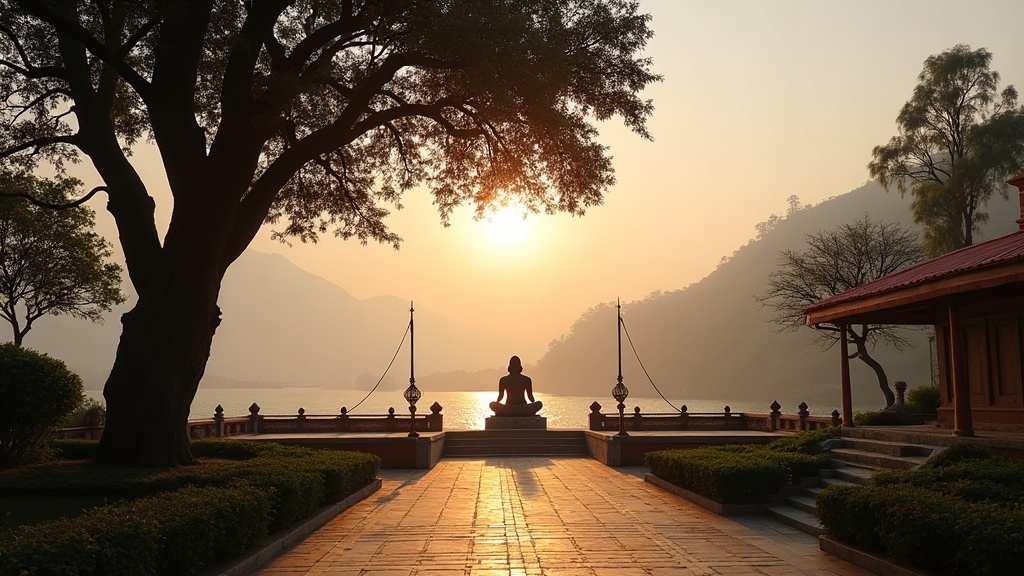
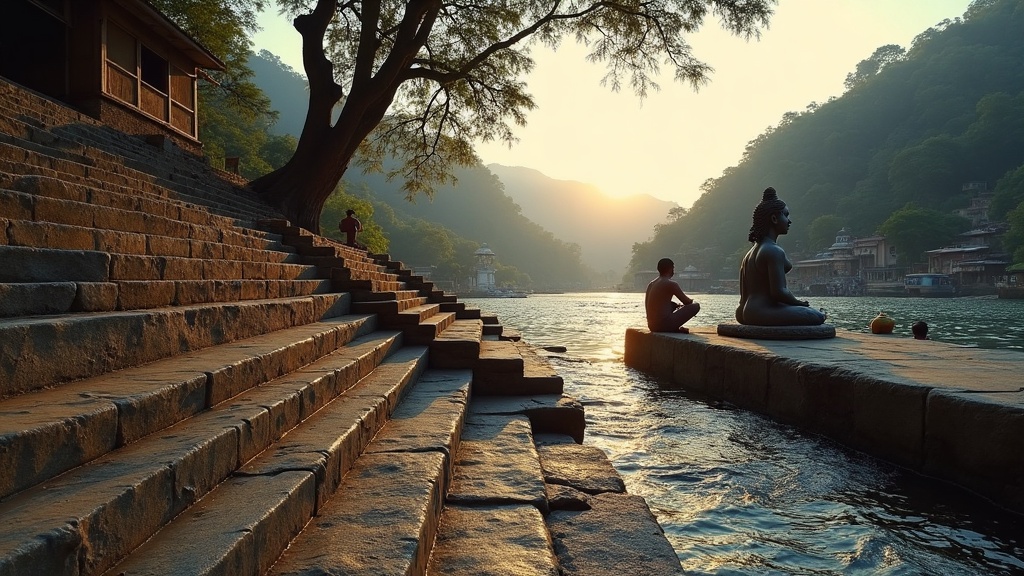
Fall suits first-time visitors particularly well. The weather cooperates reliably, accommodation is easier to secure than in winter, and the ashram offers its full programming without the festival intensity of spring. The light in October and November is golden, making the riverside setting especially photogenic, though by November you'll want layers for early morning practice. This is also a lovely time for combining ashram stays with treks in the surrounding Himalayas before winter snow closes higher routes.
Choosing Your Window
For those making a first pilgrimage to Parmarth Niketan, the shoulder seasons of October-November and March-April offer the most forgiving combination of weather, availability, and energy. You'll experience the ashram's full offerings without battling for space or enduring temperature extremes. Winter rewards those who want maximum programming and don't mind crowds, while summer's monsoon calls to solitude-seekers willing to embrace weather as part of practice. Ultimately, the "best" time depends on whether you're drawn to the collective energy of peak season or the introspective spaciousness of quieter months—this ashram, with its generous grounds and inclusive spirit, holds wisdom in every season.