Your First Visit to Monte Velho: What to Expect
Your First Visit to Monte Velho: What to Expect
Arriving at the Edge of Europe
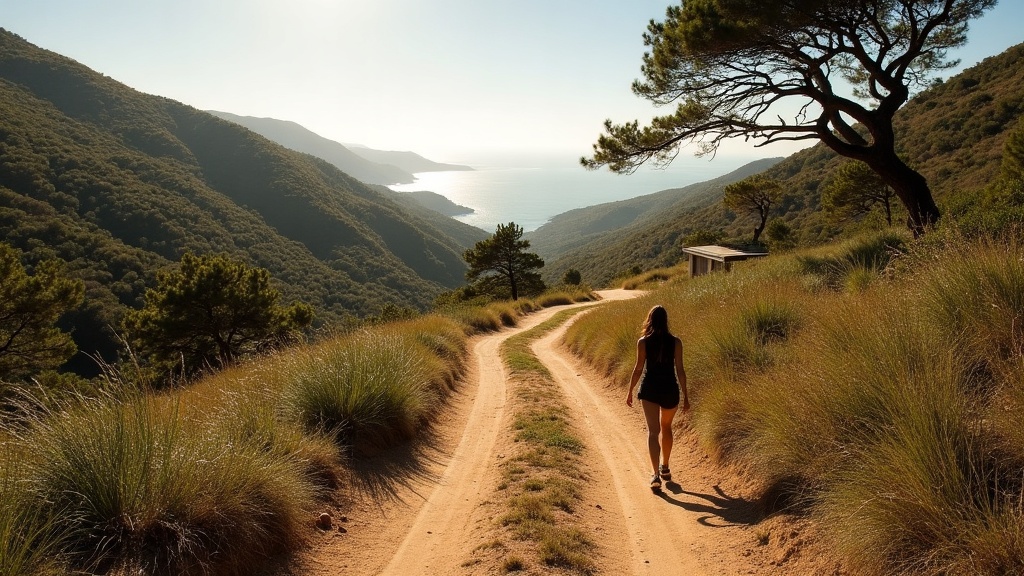
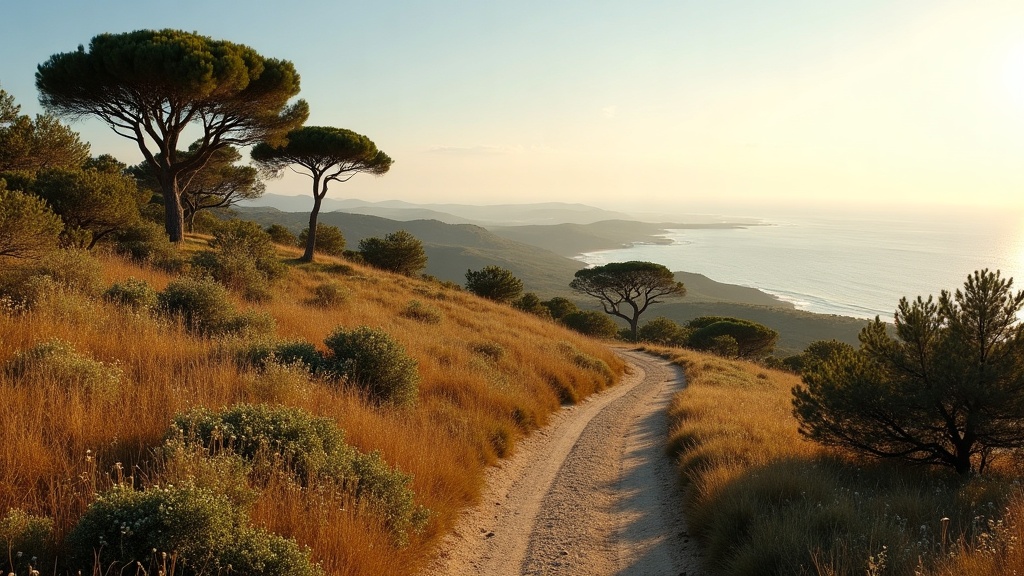
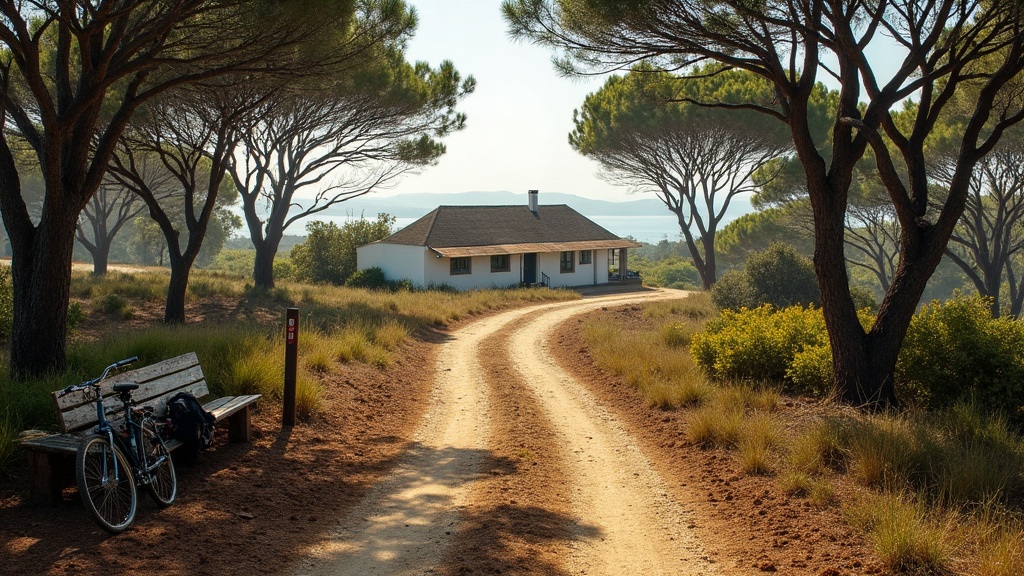
Monte Velho sits just outside Carrapateira, a tiny village perched where the Algarve's western coast meets the Atlantic. Your first glimpse will likely come after winding through cork forests and past whitewashed farmhouses—the center appears gradually, its buildings low and integrated into the landscape rather than imposed upon it.
Check-in typically happens in the late afternoon, allowing guests arriving from Faro or Lisbon time to navigate the final rural stretch without rushing. You'll be greeted warmly but without fuss—this isn't a hotel lobby experience. Expect a brief orientation covering meal times, silence practices, and where things are. Someone will walk you to your room, pointing out the yoga studio, dining area, and pool along the way. The overall feeling is more like arriving at a friend's countryside property than checking into a facility, though everything is thoughtfully organized behind that informal exterior.
The Daily Rhythm
Monte Velho's schedule follows a pattern that feels rigorous at first, then surprisingly natural by day three. Mornings begin early—think 7 AM or earlier for optional meditation, followed by yoga practice around 8 or 8:30. The pre-breakfast session tends to be more vigorous, taking advantage of your body's morning alertness before the day's heat settles in.
Breakfast comes mid-morning, leisurely and communal. The middle of the day then opens wide. This is your time to walk to the beach (about twenty minutes on foot), read by the pool, nap, or simply sit. Some retreats schedule a workshop or second practice in the late afternoon, around 5 or 6 PM, but there's always significant unstructured time—more than first-timers usually expect. Evening meals happen around 7:30 or 8, often followed by optional gatherings, talks, or music, but nothing mandatory. By 10 PM, the place settles into deep quiet.
What surprises people is how much spaciousness exists within this structure. You're not managed minute-by-minute. The rhythm creates a container, but what you do inside it remains largely yours to determine.
Rooms and Shared Spaces
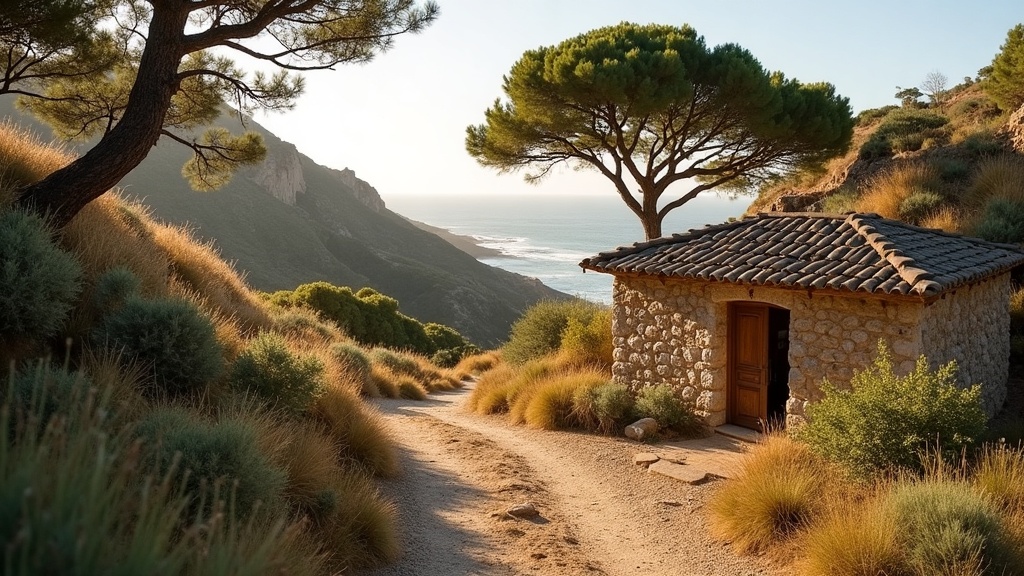
The accommodations at Monte Velho are simple in the best sense. Rooms tend toward rustic elegance—think whitewashed walls, terracotta tiles, wooden shutters, and comfortable beds with quality linens. Some rooms are in the main house; others occupy converted outbuildings or cottages dotted around the property. Most are shared (twin beds), though private rooms exist for those who request and pay the supplement.
Don't expect televisions, mini-fridges, or air conditioning, though fans are usually provided. Windows are positioned to catch the Atlantic breeze, which matters more than you'd think. Bathrooms are clean and functional rather than spa-like. The aesthetic is understated—Moroccan textiles, perhaps a piece of driftwood, nothing overdone. At night, it gets genuinely dark and genuinely quiet.
The shared spaces matter more than your room anyway. The yoga studio—purpose-built and flooded with light—feels like the center's heart. The pool area, surrounded by gardens and loungers, becomes the afternoon social hub. And the dining room, with its long wooden tables, naturally facilitates the kind of unhurried conversation that doesn't happen when everyone eats at separate café tables.
Food That Stays With You
Meals at Monte Velho lean vegetarian and often vegan, with ingredients sourced locally when possible. Think Portuguese-inflected wholefood cooking: roasted vegetables with olive oil and herbs, bean stews, grain salads with preserved lemon, fresh bread, abundant fruit. The food isn't fussy, but it's prepared with obvious care.
Breakfast offers yogurt, fruit, bread, nut butters, sometimes eggs. Lunch, the main meal, might include soup, a substantial salad, a cooked dish, and always something sweet—almond cake with oranges, fig compote. Dinner tends lighter. Wine is usually available, though many guests find they don't want it as the days progress.
People are consistently surprised by how satisfying this food is. Without being overtly restrictive, it somehow recalibrates your appetite. You'll likely leave thinking differently about how much you actually need to eat.
What to Pack (and What to Leave Behind)
Bring layers. Even in summer, evenings cool down near the coast, and mornings can be genuinely chilly. Comfortable clothes for yoga, obviously, but also something for beach walks—the sand gets hot, and you'll want shoes for the trail. A good book or journal, since you'll have more reading time than you're used to. Reusable water bottle. Headlamp for navigating at night. Sunscreen and a hat.
Leave behind hair dryers (most rooms don't have the outlets for them anyway), fancy outfits, laptops if you can bear it, and expectations of WiFi that works seamlessly everywhere. There's internet, but it's temperamental—treat it as an emergency resource rather than a constant companion.
The question of phones deserves its own consideration. Some retreats request they be turned off entirely; others ask that you keep them in your room. Either way, the unspoken norm is that you're here to unplug. Scrolling by the pool marks you immediately as someone not quite entering the experience.
The Unwritten Rules
Silence isn't enforced monastically, but it's held as valuable. Mornings before breakfast tend quiet. Whispered conversations near the yoga studio or pool feel intrusive. That said, mealtimes buzz with talk—this is a sociable silence practice, not an austere one.
If you need to leave a program early or skip sessions, that's fine, but let someone know. The concern is logistical (did you get lost on a beach walk?) rather than judgmental.
Horses are kept on the property, and while they're gentle, ask before approaching them. The land itself is treated with care—stay on paths, close gates, don't pick the fruit without asking.
What Actually Surprises People
The good: how quickly your nervous system downshifts. How much you notice—light changing, bird patterns, the taste of food. The quality of sleep. The ease of talking with strangers when you're all doing the same thing.
The challenging: the initial boredom and restlessness, especially on day two. The awareness of how much mental noise you carry with you. Shared bathrooms if you're not used to them. The distance from town if you run out of something. The fact that transformation doesn't announce itself with fanfare—it accumulates quietly.
Monte Velho has been receiving guests since 1996, long enough that the team understands first-timer nerves without needing them articulated. They've seen thousands of people arrive uncertain and leave different. Your job isn't to be perfect at retreating. It's simply to show up and see what the days reveal.