Best Time to Visit GOAT Community: A Seasonal Guide
Winter (December-February)
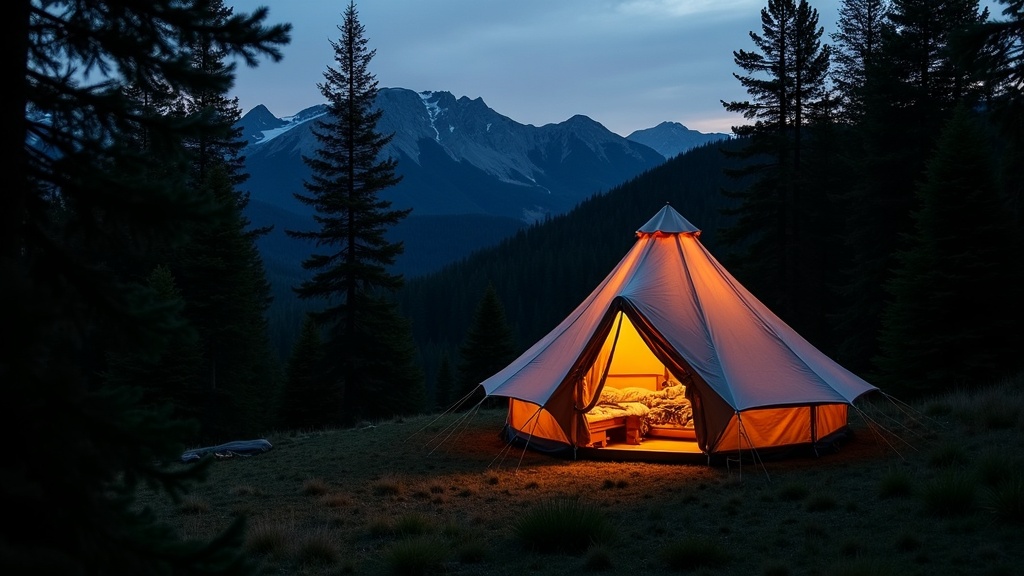
Winter transforms GOAT Community's mountain sanctuary into something altogether different—a quiet, contemplative space where the essence of transformation turns inward. During these months, the festival operates at its most intimate scale, if at all. The Magic Mountains of São Pedro do Sul don cold mists and occasional dustings of snow, creating an atmosphere that feels more monastery than festival ground. The ancient thermal springs that bubble beneath the earth become even more alluring when the air turns crisp, their Roman-era warmth a stark contrast to winter's chill.
This is not peak festival season. Winter suits those seeking solitude and personal retreat rather than collective celebration. The conscious electronic music that pulses through summer nights gives way to silence punctuated only by wind through moss-cloaked pines. If GOAT runs winter programming at all, expect small-group meditation intensives, sound healing in intimate settings, and nature connection practices that embrace the season's introspective energy. The setting feels raw and honest—no crowds to hide behind, just you and the mountains having an unfiltered conversation. First-time visitors should note that facilities may be limited, and this season demands self-sufficiency and genuine comfort with solitude.
Spring (March-May)
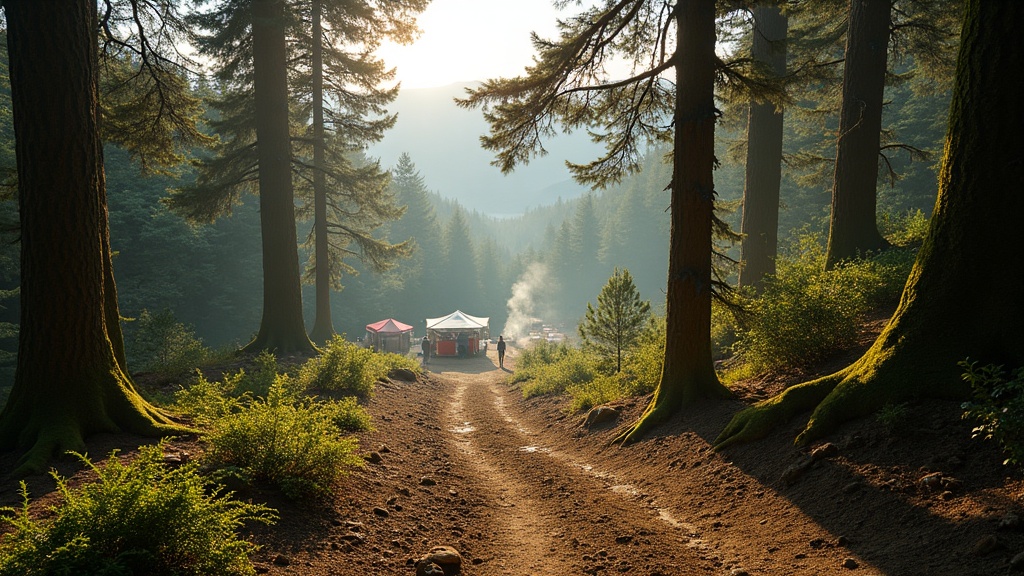
As winter releases its grip, São Pedro do Sul awakens with explosive vitality. Spring brings the Magic Mountains back to life in cascades of wildflowers, rushing streams swollen with snowmelt, and that particular quality of light that makes everything feel possible again. This is when GOAT Community begins stirring from its quieter months, and the energy shifts from introspection to anticipation.
Spring programming typically ramps up gradually, with smaller gatherings that test the season's warmth and prepare the land for summer's full expression. Expect ecstatic dance sessions that celebrate embodied movement as the earth itself moves from dormancy to bloom, meditation circles that mirror nature's renewal, and sound healing ceremonies that seem to reverberate differently in the fresh mountain air. The weather remains variable—warm afternoons can give way to cool evenings, so layering is essential. April and May offer particularly sweet windows when the landscape explodes with green but summer crowds haven't yet arrived. This season suits those who want authentic connection with both the community and the land itself, without the intensity of peak festival energy.
Summer (June-August)
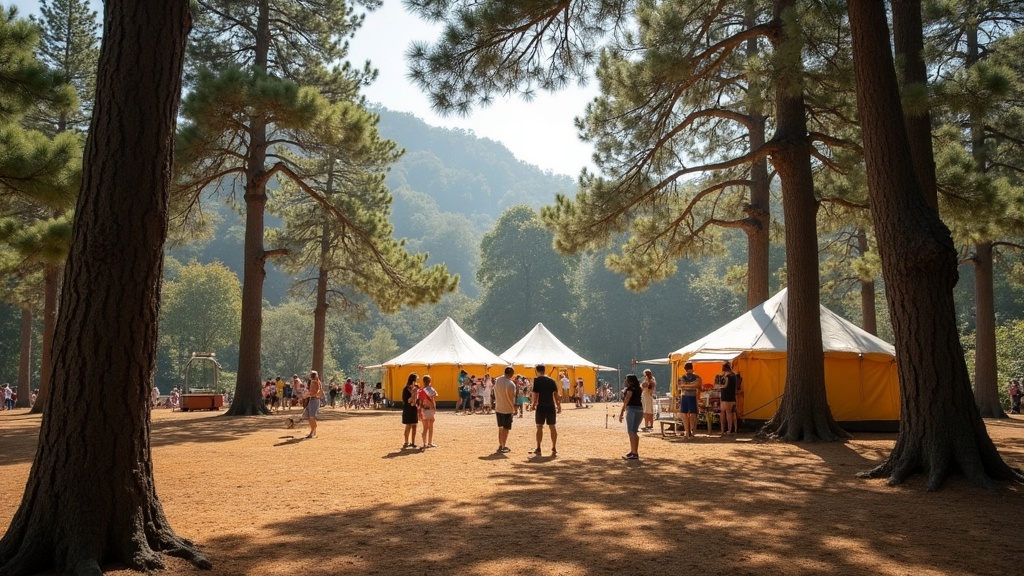
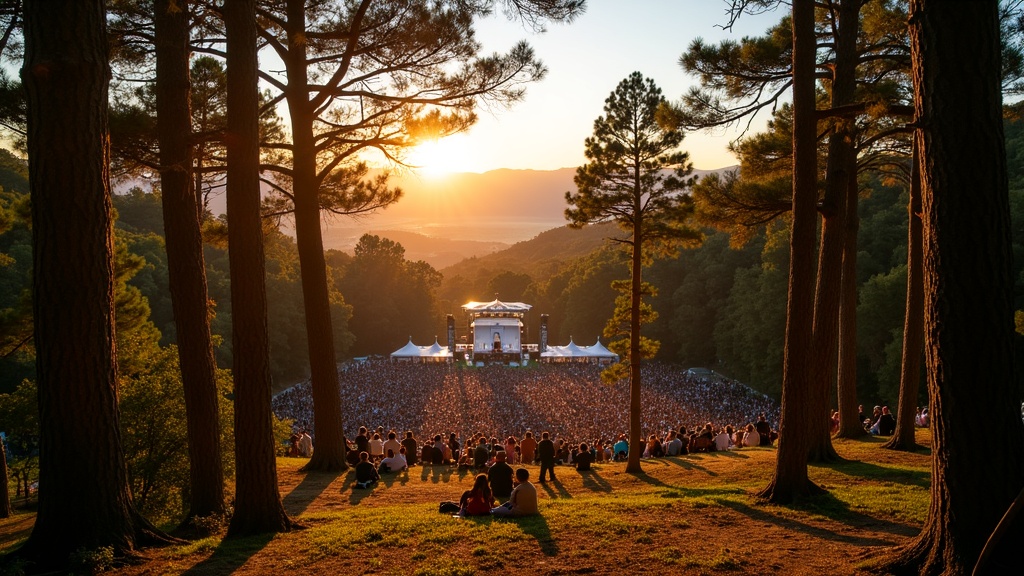
Summer is when GOAT Community fully comes alive as the transformational festival its founders envisioned. The five childhood friends from São Pedro do Sul who started this journey see their mountain playground reach its fullest expression during these sun-drenched months. This is festival season proper—when conscious electronic music echoes across hidden lakes, when hundreds of seekers gather for ecstatic dance under stars so bright they seem close enough to touch, when every clearing becomes a space for community building and every forest path an invitation to nature connection.
The setting during summer feels electric with possibility. Warm days stretch long into balmy evenings, perfect for outdoor sound healing sessions and meditation circles that extend well past midnight. The thermal springs offer welcome relief from afternoon heat. But honesty demands acknowledging that summer also brings crowds. This is GOAT at its busiest, most social, and most stimulating. The intimate mountain retreat becomes a buzzing hive of transformation—beautiful, yes, but sometimes overwhelming for those seeking quieter experiences. Summer suits extroverts, festival veterans, and anyone wanting to experience GOAT's full community energy. The weather is reliable—expect warm to hot days, mild nights, and only occasional rain—but accommodations book months in advance.
Fall (September-November)
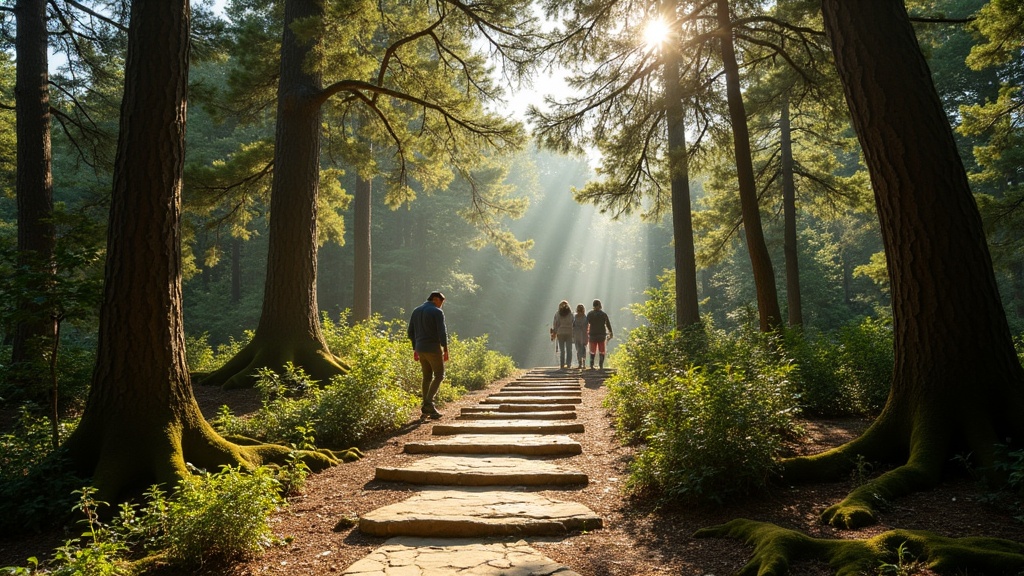
Autumn might be GOAT Community's most poignant season. As September arrives, summer's crowds begin to thin, but the weather remains gloriously cooperative—warm days, cool nights, and that slanting golden light that makes photographers weep. The Magic Mountains dress in amber and rust, and there's a bittersweet quality to the air, as if the land itself is savoring these last moments before winter's quietude.
Fall programming often includes some of GOAT's most meaningful gatherings. With smaller numbers comes deeper intimacy. Ecstatic dance feels more vulnerable, sound healing more profound, wellness practices more personal. The five founders, local boys who know these mountains in all their moods, often say autumn reveals the spirit they originally sought when throwing that first small day party during COVID. This season suits seekers over partiers, those wanting genuine transformation over festival tourism. November grows quieter and cooler, with programming tapering off, but September and early October offer a near-perfect balance of good weather, manageable crowds, and authentic community connection.
Choosing Your Window
For first-time visitors, the shoulder seasons—late spring (May) and early fall (September)—often provide the sweet spot. You'll encounter GOAT's transformational essence without summer's intensity, experience reliable weather without winter's harshness, and find space for both community connection and personal reflection. The Magic Mountains reveal themselves most generously to those who arrive when the land breathes easiest—not straining under peak-season pressure, not sleeping through winter's rest, but simply being itself.