Eating at Ekam: The Food Experience
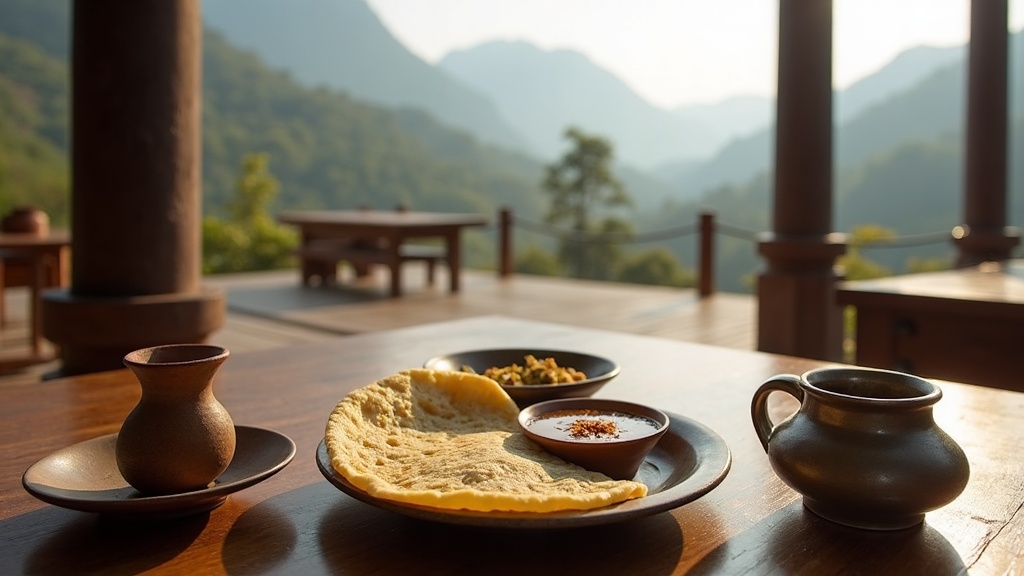
Eating at Ekam: The Food Experience
The dining halls at Ekam serve what the organization calls "conscious food"—purely vegetarian meals prepared according to Ayurvedic principles and seasoned with an intentionality that matches the campus's broader spiritual focus. This isn't farm-to-table innovation or fusion experimentation. It's traditional South Indian cooking, rooted in temple kitchen practices, designed to support meditation practice rather than dazzle the palate.
The philosophy is straightforward: food should sustain awareness, not distract from it. That means sattvic ingredients—fresh vegetables, lentils, rice, dairy, minimal spices—and preparation methods meant to keep practitioners clear-headed rather than sluggish or overstimulated. Given Ekam's location in Andhra Pradesh, the meals naturally lean heavily on Telugu culinary traditions, though toned down from the fiery regional norm to accommodate international visitors and Ayurvedic guidelines.
The Daily Rhythm
Breakfast arrives early, typically around 7 AM after morning meditation sessions. Expect idlis (steamed rice cakes), dosas (fermented crepe-like pancakes), or upma (savory semolina porridge), accompanied by coconut chutney, sambar (lentil-based vegetable stew), and fresh fruit. South Indian coffee sometimes appears, though the beverage program leans toward herbal teas. It's filling, familiar to anyone who's spent time in South India, and intentionally light enough not to weigh down the morning's practice schedule.
Lunch, the main meal, happens around midday. This follows a traditional thali format: rice, two or three vegetable preparations, dal, yogurt or buttermilk, chapati or roti, and a small sweet. The vegetables change seasonally—okra, eggplant, greens, gourds, beans—prepared simply with basic tempering. The cooking isn't austere exactly, but it's restrained. You won't find elaborate kormas or restaurant-style gravies. The kitchen aims for nourishing rather than memorable.
Dinner, served around 7 PM, mirrors lunch but typically lighter. The same components appear—grains, lentils, vegetables, dairy—but portions shrink and preparations simplify. Some evenings feature soups or khichdi, the easily digestible rice-and-lentil mixture Ayurveda recommends for evening meals.
The Dining Environment
Meals happen in large communal dining halls that can accommodate hundreds at once during major programs. The atmosphere remains quiet but not silent—soft conversation occurs, though the environment discourages loud socializing. Participants sit at long tables, often on the floor in traditional style during certain programs, sometimes at Western-height tables with chairs. Service happens cafeteria-style, with servers distributing food onto steel thali plates or participants collecting their own meals from buffet stations.
The halls themselves are functional rather than atmospheric—clean, well-lit spaces that prioritize efficiency when feeding thousands. The view outward toward gardens and the distant hills provides whatever aesthetic grace exists.
Accommodations and Flexibility
Ekam handles dietary restrictions with the pragmatism of an organization accustomed to international visitors. Vegan options are straightforward—the baseline menu is nearly vegan already, requiring only the removal of dairy components. Gluten-free needs require advance notice but can be managed; rice-based staples dominate anyway. Allergy accommodations happen on request, though the more unusual or severe the restriction, the more essential advance communication becomes.
Between Meals and Beverages
Tea stations appear throughout campus, offering chai and herbal infusions between scheduled meals. Fresh fruit sometimes materializes during afternoon breaks. Don't expect elaborate snack programs or coffee bars. The campus maintains a deliberately minimal approach to casual eating—enough to sustain energy, not enough to turn food into entertainment.
The caffeine situation deserves clarity: coffee appears occasionally, not reliably. Tea comes more regularly. Anyone dependent on significant caffeine should arrive prepared with alternatives or ready to recalibrate their system. This isn't punishment; it's principle. Stimulants work against the calm awareness the practices cultivate.
The Honest Assessment
Nobody travels to Ekam for culinary adventure. The food serves the practice—nutritious, clean, adequate. It won't offend, won't excite, and won't distract. For the two to four weeks most intensive programs run, that proves sufficient. The meals anchor daily routine, provide genuine sustenance, and occasionally surprise with their simple competence. That's the intent. Whether it satisfies depends entirely on what you came seeking.