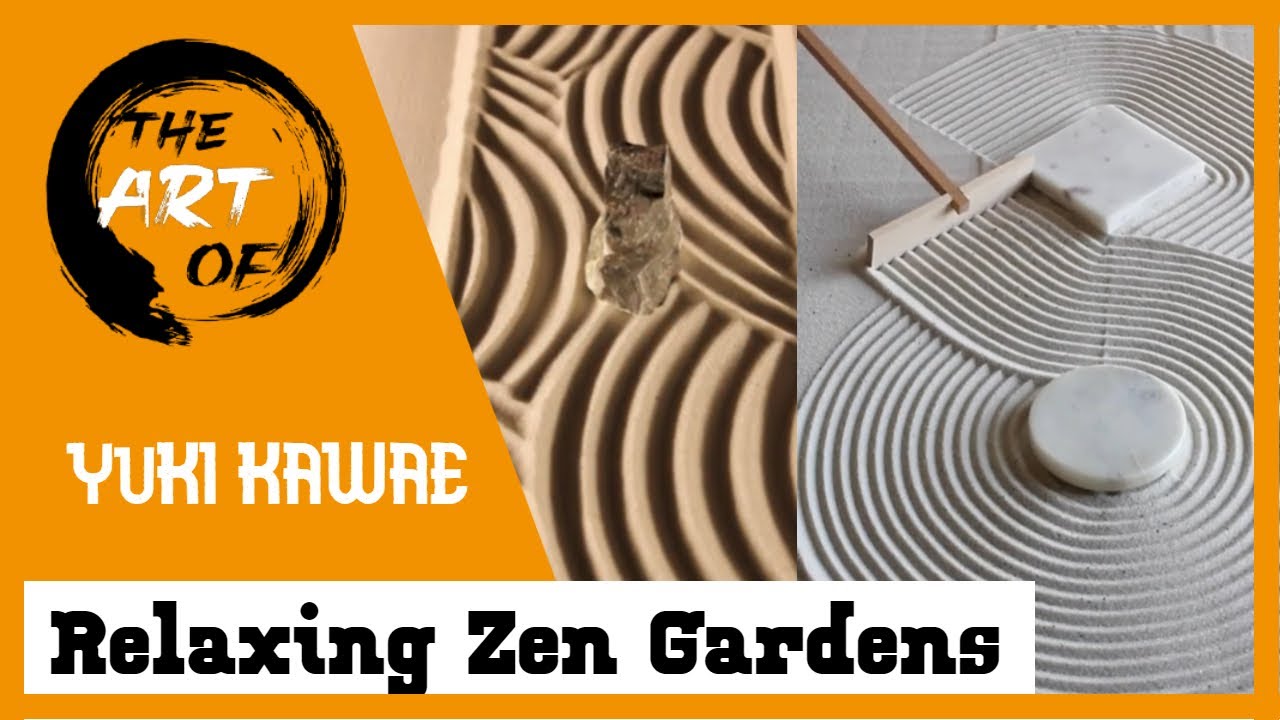
TLDR: Yuki Kawae, a contemporary garden designer, has gained viral attention for zen garden installations that blend traditional Japanese aesthetics with modern minimalist design. His work demonstrates how thoughtfully composed spaces—using gravel, stone, water, and plant placement—create environments that evoke calm and encourage contemplative engagement. Rather than ornamental excess, these gardens prioritize emptiness and simplicity as active design elements, inviting viewers to slow down and observe the relationship between form, void, and natural materials.
What Are Viral Zen Gardens?
Zen gardens, rooted in Japanese Buddhist practice, have experienced a resurgence in internet culture, particularly through designers like Yuki Kawae whose work circulates widely on social media. Unlike traditional rock gardens confined to temples, contemporary viral zen gardens adapt the core aesthetic—minimalism, asymmetry, and contemplative emptiness—to modern settings. These spaces often feature carefully raked gravel, precisely placed stones, sparse plantings, and sometimes water features, all arranged to prompt reflection rather than visual stimulation.
The viral appeal lies partly in the counter-cultural nature of zen design in an age of maximalism and digital saturation. A well-designed zen garden offers visual rest and psychological permission to occupy less, making it both an aesthetic object and a statement about living deliberately. Yuki Kawae's gardens tap into this hunger by creating spaces that feel both photographable and genuinely calming—a balance that generates both social media interest and authentic visitor experience.
What Are the Core Principles of Zen Garden Design?
Zen gardens operate on several foundational principles that distinguish them from conventional landscape design:
- Emptiness as presence: Void space is not absence but an active component. Large areas of raked gravel or still water are compositions in themselves, not gaps waiting to be filled.
- Asymmetry and imperfection: Rather than bilateral symmetry, zen gardens employ odd numbers of elements and irregular placement, reflecting the Zen concept of wabi-sabi—beauty in impermanence and incompleteness.
- Suggestion over representation: A garden might suggest a landscape rather than depict one literally. Gravel represents water; stones represent mountains. The viewer's mind completes the image.
- Limited palette: Restraint in materials—gravel, stone, moss, a few carefully chosen plants—creates visual coherence and meditative focus.
- Maintenance as practice: The raking of gravel or trimming of plants becomes a meditative ritual, embedding contemplative practice into daily care.
Why Do Yuki Kawae's Designs Go Viral?
Yuki Kawae's gardens achieve viral recognition because they synthesize traditional zen principles with contemporary design sensibilities and Instagram aesthetics. His work is visually striking without being decorative—there is a clarity and intentionality that translates well to photography and video while remaining deeply rooted in contemplative philosophy.
The viral mechanism also reflects broader cultural hunger. In an era of algorithmic feed anxiety, notification overload, and maximalist consumer culture, a simple, quiet garden becomes countercultural content. People are drawn to and share images of spaces that promise—and sometimes deliver—calm. Yuki Kawae's gardens offer genuine design depth beneath their photogenic appeal, which is why they sustain interest beyond a single scroll.
Additionally, his work often appears in settings that blend private meditation and public accessibility, making them feel both aspirational and achievable. Viewers can imagine creating a small zen corner in their own homes, adapting his principles to limited budgets or space.
How Are Materials Chosen and Arranged?
Material selection in a zen garden is never casual. Each element—the specific grain size of gravel, the colour and shape of stone, the species of moss or pruned plant—carries both aesthetic and symbolic weight.
Gravel and sand form the visual foundation. Fine white or grey gravel, raked in linear patterns, creates movement and texture without physical activity. The raking itself becomes meditative, and the patterns suggest water in motion—rivers, waves, or flowing energy (qi).
Stone represents permanence, mountains, and solidity. Placement follows principles of balance and suggestion: three stones might evoke a landscape; five stones arranged in a cross pattern carry Buddhist symbolism. The weathering and natural imperfections of stone are valued, as they speak to time and impermanence.
Water, when present, is often still rather than active—a pond or stream that mirrors sky and vegetation, encouraging introspection. Moving water introduces an auditory element that can deepen the meditative experience.
Plants are kept minimal and highly pruned. A single carefully shaped pine tree, patches of moss, or a small ground cover provide organic texture and seasonality without visual chaos. The goal is to reveal the plant's essential form, not its abundance.
What Is the Relationship Between Emptiness and Design?
Western design often treats empty space as a problem to solve. Zen garden design treats it as a solution in itself. Emptiness (or "ma" in Japanese) is not dead space but a living canvas that allows the eye to rest and the mind to settle.
This principle extends beyond aesthetics. Psychologically, empty space permits contemplation. Without visual clutter demanding attention, the viewer's mind can wander, settle, or simply observe the interplay of light and form. The garden becomes a mirror: what you bring to it—your thoughts, your breath, your pace—shapes your experience.
For designers like Yuki Kawae, this means resisting the urge to fill every corner, knowing that restraint is harder and more sophisticated than abundance. A garden with 90% void and 10% intentional form often carries more presence than a densely planted landscape.
How Does a Zen Garden Invite Contemplative Practice?
A zen garden is not a passive viewing experience; it invites and structures engagement. The design encourages slow movement, close observation, and mental quieting.
Walking a zen garden, visitors are often invited to proceed along a particular path or viewpoint, ensuring multiple perspectives. The asymmetry means that no single angle reveals the entire composition—discovery unfolds. The stillness of the space itself—the absence of bright colors, loud textures, or dynamic elements—naturally slows the observer's nervous system and breath.
Some zen gardens historically included a hut or viewing platform where visitors could sit and observe for extended periods. Modern versions by designers like Yuki Kawae often include benches or viewing areas that formalize this permission to pause and watch.
Can Zen Garden Principles Apply to Small Spaces?
One reason Yuki Kawae's work resonates so widely is that zen principles scale. A traditional temple garden might be large, but the same aesthetic and contemplative power can compress into a balcony garden, a small courtyard, or even an indoor tabletop arrangement.
A small zen garden requires the same intentionality in every element: each stone, plant, and patch of gravel must earn its place. Constraint can actually deepen the practice, forcing more refined choices. A single well-placed rock in a shallow tray of sand carries the same conceptual weight as a sprawling mountain garden—the scale simply changes the viewing distance, not the philosophical foundation.
Where to go from here
To deepen engagement with zen garden design, explore the work of other contemporary practitioners and traditional temple gardens if travel permits. Study how restraint functions as a design tool in other disciplines—architecture, graphic design, photography—to recognize the universal principle of emptiness as presence. If creating a personal garden or meditation space, begin with observation: spend time in existing zen gardens or natural landscapes, noticing what genuinely calms your nervous system versus what you think should. Then apply Yuki Kawae's principle-based approach: choose one material, one stone, one plant, and let the space breathe around it before adding more. The garden becomes a long-form practice in noticing what is necessary and what is not.