
Valarie Kaur's Teaching: Approach, Method, and Voice
The Architecture of Encounter
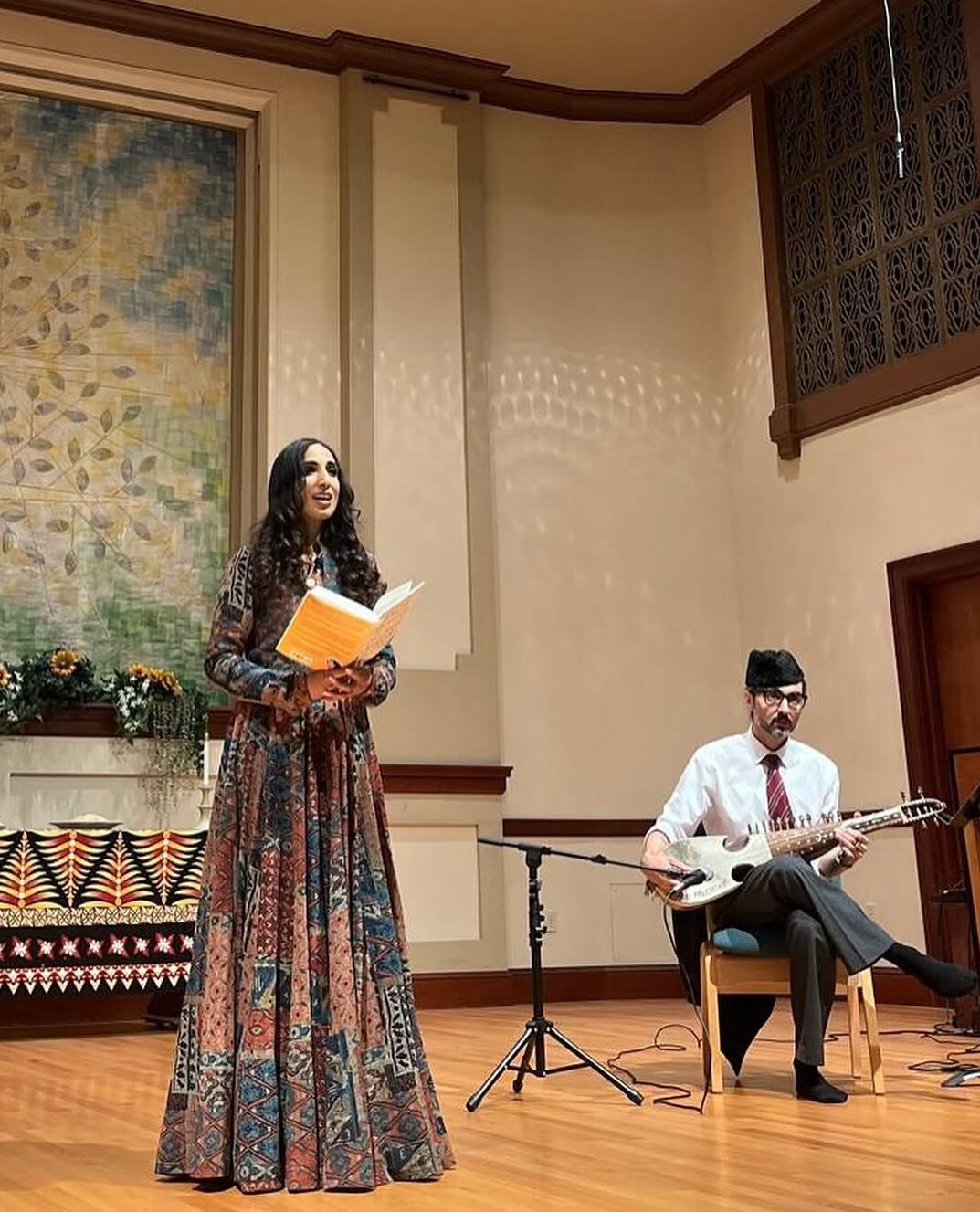
A Valarie Kaur session begins not with instruction but with breath. Attendees—whether in a weekend retreat, a daylong workshop, or a conference keynote—are guided into their bodies before they're asked to engage their minds. This is deliberate. Kaur's teaching operates on the premise that transformation requires embodiment, that the work of building what she calls "beloved community" cannot happen solely in the intellect.
The structure typically moves from personal story to collective reflection to practice. She'll open with narrative—often drawing from her own life as the daughter of Punjabi Sikh farmers in California, or from moments of acute discrimination she's witnessed or endured. These aren't merely illustrations; they're invitations into a particular way of seeing. Then comes the framework, usually centered on her core concept of "Revolutionary Love," which she defines as the practice of loving others, our opponents, and ourselves. The final movement is practical: breathwork, partnered dialogue, or written reflection. Participants leave with homework, not just inspiration.
The Three Turnings
Kaur returns obsessively to a trinity of questions, all variations on a single inquiry: What if this is not the darkness of the tomb, but the darkness of the womb? This reframe—borrowed from Sikh wisdom and echoed in various mystical traditions—anchors nearly everything she teaches. It asks practitioners to see crisis not as ending but as gestation, to find the labor of birthing something new within what appears to be collapse.
Her second recurring theme is the distinction between reaction and response. She pushes students to examine the gap between stimulus and action, to notice where rage or despair might be converted into sustained engagement. This is where her legal training surfaces—the precision of language, the importance of strategic choice over emotional discharge.
The third pillar is lineage. Kaur consistently situates her teaching within the Sikh tradition of sewa (selfless service) and the practice of seeing the divine in all beings. She references her grandfather's devotional practice, the structure of Gurbani (Sikh scripture), and the imperative toward justice that runs through Sikhi. Yet she's not a traditional Sikh teacher. She draws equally from Sufi poetry, Indigenous wisdom, and Black liberation theology, positioning herself as a translator between traditions rather than a guardian of one.
The Aesthetic of Delivery
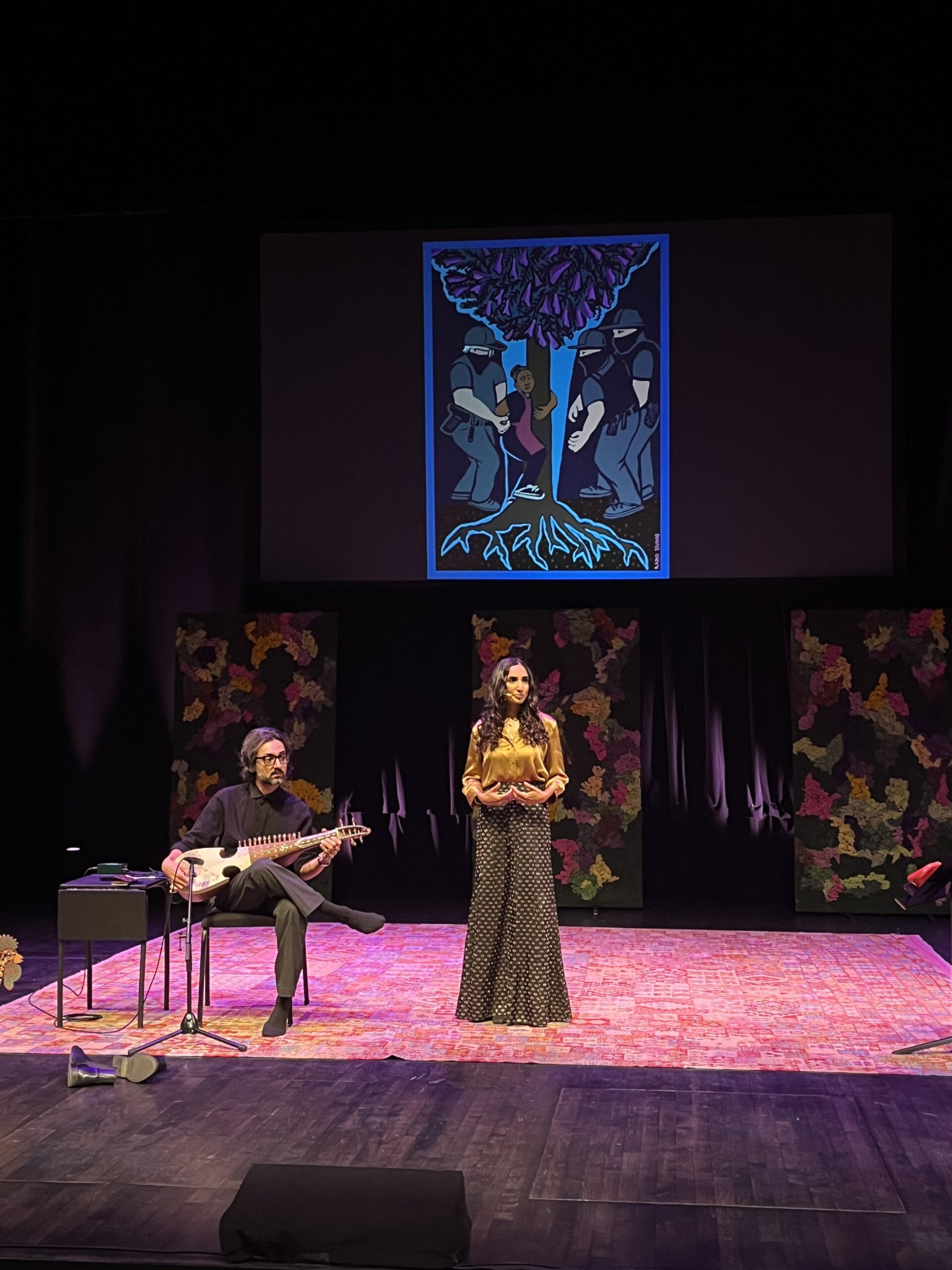
Kaur's speaking style is calibrated, almost pastoral. She uses silence strategically, allowing space for integration rather than overwhelming with content. Humor appears, but sparingly—usually self-deprecating, a momentary release of tension before diving back into the difficult work. She is not performing charisma; she is modeling a kind of presence.
Story is her primary vehicle, but not the polished anecdote of motivational speaking. Her narratives include ambiguity and mess. She'll describe moments of failure, confusion, or ongoing struggle without tying them into neat resolutions. This refusal to sanitize experience creates credibility with certain audiences and discomfort with others.
Scripture enters sideways. She'll quote a Sikh prayer or a line from Rumi, but these are woven into contemporary contexts—police violence, climate grief, political polarization—rather than presented as timeless abstractions. The sacred and the political are never separate in her framework, which is both a strength and a point of resistance for some listeners.
Who This Serves
Kaur's teaching lands most powerfully for those already committed to progressive social movements who are experiencing burnout, despair, or fracture. It speaks to activists looking for spiritual resources that don't require abandoning political commitments, to people of color seeking frameworks rooted in non-Western traditions, and to those who feel alienated by both traditional religious institutions and purely secular organizing.
It may bounce off those seeking either pure contemplative practice or pure political strategy. Her insistence on holding both—that breathwork and policy advocacy are not opposed but integrated—can feel diluted to purists on either end. Some traditional Sikhs critique her syncretic approach; some secular activists find the spiritual language off-putting or vague.
The Tradition She Extends
Kaur belongs to a lineage of American spiritual teachers who translate inherited wisdom traditions into the language of contemporary social justice. She shares methodological DNA with Howard Thurman, who brought contemplative practice into the Civil Rights movement, and with Thich Nhat Hanh, who articulated "engaged Buddhism" during the Vietnam War. Like them, she insists that inner work and outer work are inseparable, that transformation of systems requires transformation of selves.
Her innovation is bringing Sikh wisdom specifically into this conversation, making visible a tradition that has long been marginalized in American religious discourse. Whether this constitutes a new teaching or an adaptation of existing frameworks remains an open question—one that Kaur herself seems content to leave unanswered.