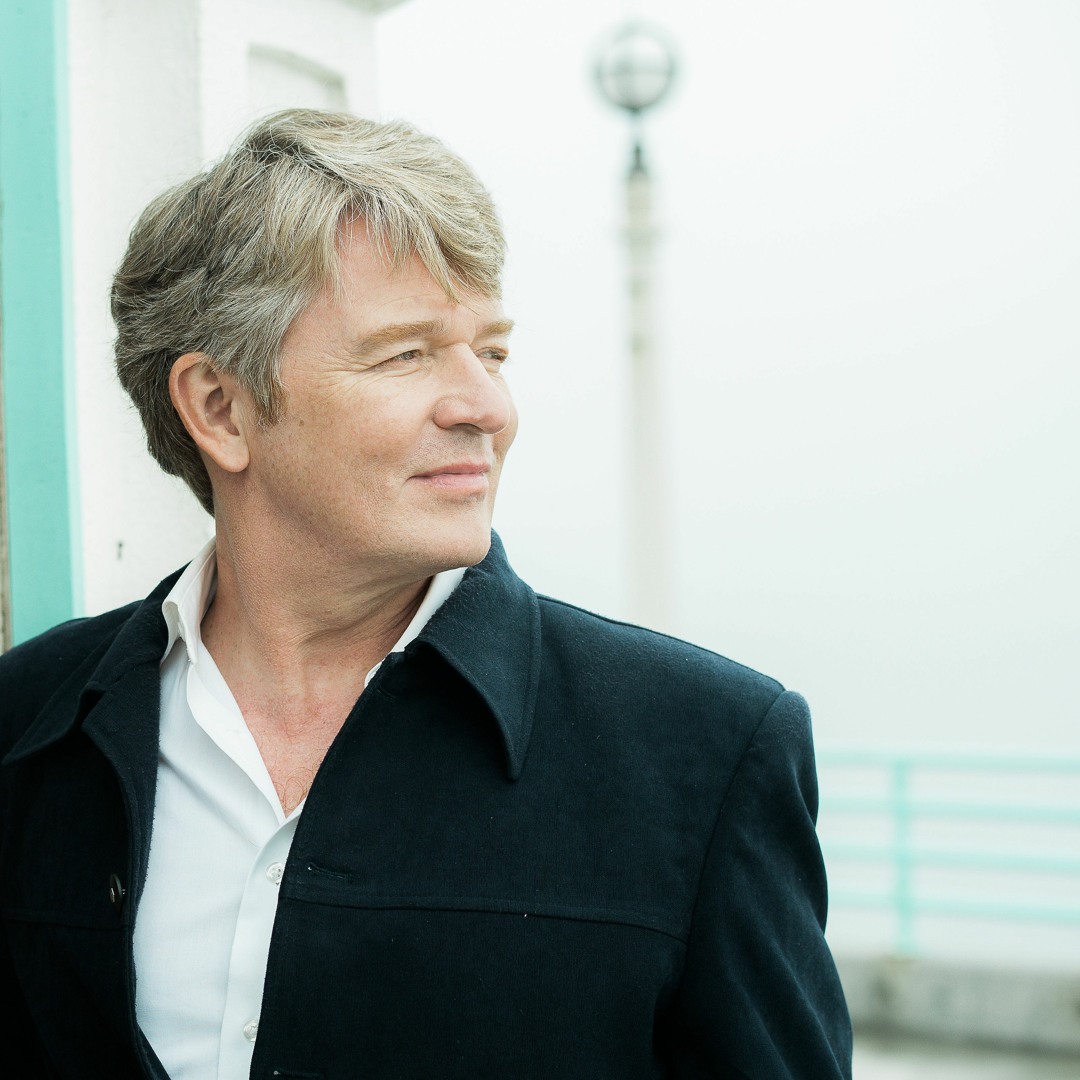

The Journey from Musical Roots to Sacred Sound
Thomas Barquee emerged from a musical household in the United States, where sound was woven into the fabric of daily life. Growing up surrounded by diverse instruments and genres, he developed an early sensitivity to music's emotional and spiritual dimensions. This childhood immersion didn't merely train his ear—it awakened something deeper, a nascent awareness that sound could serve purposes far beyond entertainment or artistic expression.
What distinguished Barquee from his musical peers was the direction his curiosity took him. Rather than pursuing conventional performance or composition, he became increasingly drawn to questions about music's relationship to consciousness, healing, and transformation. This wasn't a sudden conversion but a gradual gravitational pull toward the intersection of acoustics and spiritual practice.
The Turning Point: When Music Became Medicine
The pivotal shift in Barquee's trajectory came through his encounter with Eastern spiritual traditions. His studies in Tibetan Buddhism and other mystical teachings revealed frameworks for understanding something he'd intuited since childhood: that sound operates on dimensions beyond the merely aesthetic. These traditions treated sound not as decoration for spiritual practice but as its very vehicle—a direct transmission capable of altering states of consciousness and facilitating healing.
This realization transformed his relationship to music entirely. The question was no longer what to play but how sound itself could serve as a therapeutic and transformative force. Barquee began formal study with various teachers, immersing himself in the theoretical and practical foundations of sound healing. He learned to work with traditional instruments in new contexts, exploring how specific tones, frequencies, and rhythms could create conditions for meditation, relaxation, and what practitioners call "spiritual growth."
Core Contribution: Soundscapes for Inner Exploration
Barquee's primary contribution lies in his creation of what might be called contemplative soundscapes—musical environments specifically designed to facilitate deep meditative states. His approach blends ambient textures with traditional instruments drawn from world music traditions, creating sonic spaces that feel simultaneously ancient and contemporary.
Unlike ambient music designed merely for pleasant background listening, Barquee's compositions carry intentionality rooted in healing modalities. Each piece functions as a kind of sonic architecture, carefully constructed to guide listeners inward. The music doesn't demand attention so much as create a field within which attention can settle and expand.
This work represents a particular lineage within sound healing—one that honors traditional instruments and therapeutic principles while remaining musically sophisticated and accessible to Western listeners unfamiliar with the source traditions. Barquee serves as a kind of translator, making esoteric practices available through the universal language of sound.
Albums and Teaching Practice
Barquee has released several albums that showcase his evolving approach to healing soundscapes. These recordings represent more than simply documentation of his musical ideas—they function as tools for personal practice, designed to be returned to repeatedly rather than consumed and discarded. Listeners use them for meditation sessions, yoga practice, sleep preparation, and other contemplative applications.
Beyond his recorded work, Barquee has developed a teaching practice through workshops and sound healing sessions. These gatherings allow him to work with sound in real-time, responding to the specific energies and needs of participants. In these settings, the work becomes genuinely interactive—not a performance to be passively received but an experience co-created between facilitator and participants.
His workshops typically combine education about sound healing principles with direct experiential work. Participants learn both the conceptual frameworks that inform the practice and gain firsthand experience of sound's effects on their own nervous systems and states of awareness.
Bridging Traditions, Reaching Seekers
What makes Barquee's work culturally significant is its position at the convergence of several contemporary currents. He serves a growing population of spiritual seekers who may not identify with institutional religion but hunger for practices that address dimensions of experience beyond the material. His work provides entry points to meditation and healing practices that might otherwise seem inaccessible or culturally foreign.
His audience includes yoga practitioners, meditation students, wellness seekers, and anyone exploring alternatives to conventional approaches to stress, anxiety, and spiritual disconnection. In an era of increasing fragmentation and nervous system overload, Barquee offers something increasingly precious: permission and space to slow down, turn inward, and simply listen.
The Ongoing Work
Barquee continues to develop his practice at the intersection of music, meditation, and healing. His work evolves as he deepens his own study and responds to the changing needs of his audience. He remains committed to the core insight that animated his journey from the beginning—that sound, approached with knowledge and intention, can serve as a profound vehicle for transformation.
In a cultural moment dominated by noise, distraction, and acceleration, Thomas Barquee's work represents a quiet but necessary counterforce. He reminds us that sound can heal as well as harm, that music can serve contemplation as readily as it serves commerce, and that the ancient knowledge of sound's therapeutic power remains vitally relevant to contemporary life.