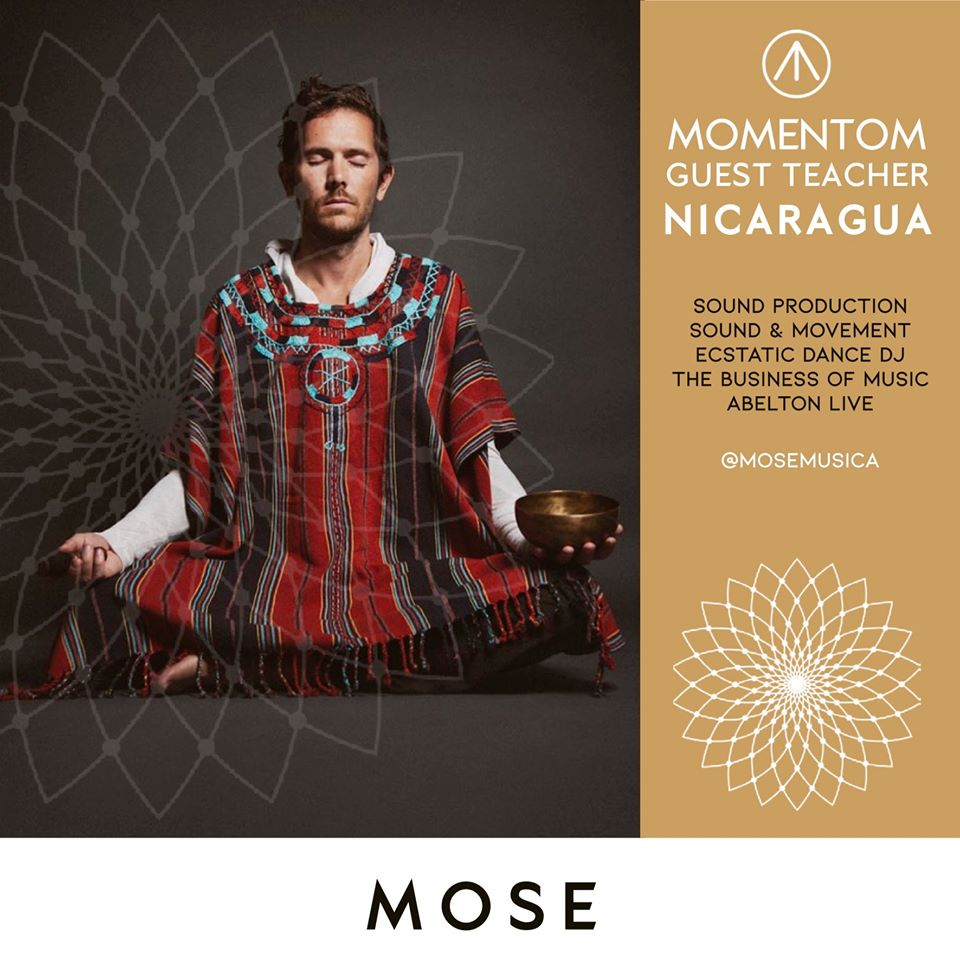

KRAUT / HONEST by Mose: A Listening Guide
Where This Sits in Mose's Arc
KRAUT / HONEST arrives as a late-career statement from an artist who has spent decades navigating the intersection of jazz, blues, and lyrical storytelling. For Mose, whose Mississippi Delta roots and New York City evolution shaped a distinctive voice in American music, this 2026 two-track single represents something unexpected: a turn toward expansiveness after a lifetime of economy. Where his earlier work trafficked in taut, ironic narratives over piano-driven arrangements, these two pieces suggest an artist unmoored from genre expectations, willing to stretch time and dissolve familiar structures. This isn't the Mose of "Parchman Farm"—this is an elder statesman experimenting with空間, patience, and something approaching the devotional.
Sonic Character
The instrumentation here defies easy categorization. Rather than the piano-bass-drums setup that defined much of Mose's catalogue, KRAUT / HONEST feels deliberately ambient, almost ceremonial in its sonic architecture. The title "KRAUT" suggests kosmische musik influences—those hypnotic, motorik rhythms of 1970s German experimental rock—but filtered through Mose's jazz sensibility and blues-inflected timing. Synth washes drift beneath languid melodic phrases; percussion, when present, feels ritualistic rather than propulsive.
The pacing is unhurried, verging on meditative. If Mose's classic recordings captured the wit and bite of a raconteur telling hard truths over cocktails, these tracks feel like the same voice speaking in a darkened room at dawn. The mood oscillates between contemplative and searching, with an underlying current of something like devotional surrender. There's vulnerability here, a willingness to let silence do as much work as sound.
Signature Tracks
"KRAUT"
The opening piece earns its title through circular repetition and textural density. What sounds initially like a simple melodic cell gradually accumulates layers—synthesizers breathing in long tones, percussion that marks time without insisting on it, and beneath it all, what might be Mose's piano, barely recognizable, processed into something between hammer dulcimer and prepared instrument. The track lands because it commits fully to its hypnotic premise; there's no verse-chorus architecture here, no resolution in the traditional sense. Instead, it offers immersion—fifteen minutes that feel like five or fifty, depending on your state of mind.
"HONEST"
Where "KRAUT" expands outward, "HONEST" turns inward. The title suggests confession, and the piece delivers on that promise through stark simplicity. Here, Mose's voice—weathered, unadorned—emerges from sparse accompaniment. Whether he's singing, speaking, or something in between becomes less important than the emotional directness of the delivery. The track makes space for the listener's own reflection, its honesty lying not in lyrical revelation but in its refusal to hide behind ornament or cleverness. It's the sound of an artist who has nothing left to prove and everything left to say.
Place in Tradition
KRAUT / HONEST occupies an unusual position in the landscape of devotional and ambient music. While it doesn't draw explicitly from bhakti or kirtan traditions, it shares their commitment to repetition as a pathway to transcendence. The album nods to the spacious experimentalism of Alice Coltrane's ashram recordings, the patience of late-period Talk Talk, and the textural curiosity of Jon Hassell's fourth world aesthetic. Yet Mose brings his own history—decades of blues storytelling and jazz improvisation—creating something that feels less like devotional music and more like devotion itself, enacted through sound without claiming any particular theological framework.
Who This Lands Hardest For
This single will resonate most deeply with listeners at a threshold—between one phase of life and another, between certainty and mystery, between doing and being. It's for the longtime Mose fan willing to follow him into unexpected territory, but also for the ambient music devotee who has never heard his earlier work. It speaks to anyone who finds traditional song structures increasingly inadequate for the complexities they're living through. This is music for the spiritually curious rather than the religiously committed, for those who seek contemplative space in a culture of distraction.
Close Listening Recommendation
Approach KRAUT / HONEST in the evening, preferably alone, with headphones that reveal detail without forcing it. This isn't background music, despite its ambient textures—it rewards attention while never demanding it. Consider it as a ritual: dim lights, perhaps candles, and the willingness to sit with whatever arises during the listening. Don't multitask. Let the first track wash over you completely before the second arrives with its different kind of intimacy. This is music that creates a container; what you bring to that container will determine what you discover within it.