Inside the Plum Village Daily Schedule
Inside the Plum Village Daily Schedule
The wake-up bell at 5:30 a.m. is gentle—three soft chimes that ripple through the dormitories, inviting rather than demanding. On your first morning, you might fumble for your phone, disoriented by the pre-dawn darkness and the unfamiliar weight of silence. By day four, your body anticipates the sound, and you're already half-awake when it comes.
Morning Rhythm: The Foundation Hours
By 6:00 a.m., practitioners gather in one of the meditation halls for sitting meditation. The hall is dim, lit only by candles and the slowly brightening windows. Forty-five minutes of silent sitting follows—challenging on day one when your mind catalogues every ache and itch, surprisingly spacious by midweek when you've stopped fighting the stillness. Monastics in brown robes sit interspersed among retreatants, their steady presence a quiet anchor.
At 6:45 a.m., bodies unfold from cushions for mindful movement or yoga. The session happens right in the meditation hall or moves outdoors when weather permits. Simple stretches, deliberate movement, each gesture synchronized with breath. Nothing vigorous—this is preparation for the day, not exercise.
Breakfast is at 7:30 a.m., and it's silent. The dining hall serves oatmeal with fruit, fresh bread from the monastery kitchen, almond butter, jam, and herb tea. You carry your bowl to a table, sit, and eat with complete attention. The silence reveals things: the exact sweetness of plum compote, the sound your spoon makes against ceramic, how little you actually need to feel satisfied. By day four, this silent breakfast becomes a small ceremony you look forward to.
Late Morning: The Teaching Heart
The morning program varies by retreat type. During themed retreats—"Healing the Inner Child" or "Transforming Anger"—a formal Dharma talk begins at 9:30 a.m. A senior monastic or teacher speaks for sixty to ninety minutes, weaving Buddhist teachings with practical psychology. During monastic immersion programs, this slot might instead be working meditation: gardening, cleaning, preparing vegetables in the kitchen alongside the community.
At 11:00 a.m., many retreats offer Dharma sharing circles—small groups of eight to twelve people sitting in rounds, each person speaking uninterrupted about their practice while others simply listen. No cross-talk, no advice-giving. On day one, these circles feel awkward, exposing. By day four, they're where breakthrough happens.
Midday: Nourishment and Rest
Lunch at 12:30 p.m. is the main meal, and it's abundant. The kitchen serves vegetarian fare—lentil stews, roasted vegetables, grain salads, fresh bread, fruit. The first half of the meal is silent; then gentle conversation is permitted. You eat family-style at long tables, passing bowls, learning to take only what you'll finish.
After lunch comes "lazy time"—the monastery's term for sacred rest. From 2:00 to 3:30 p.m., there's nothing scheduled. People nap, walk the extensive grounds, sit by the ponds, write in journals. The plum orchards and woodland trails wind for kilometers. This unstructured time feels uncomfortable initially for those conditioned to productivity. By midweek, it becomes essential restoration.
Afternoon: Optional Deepening
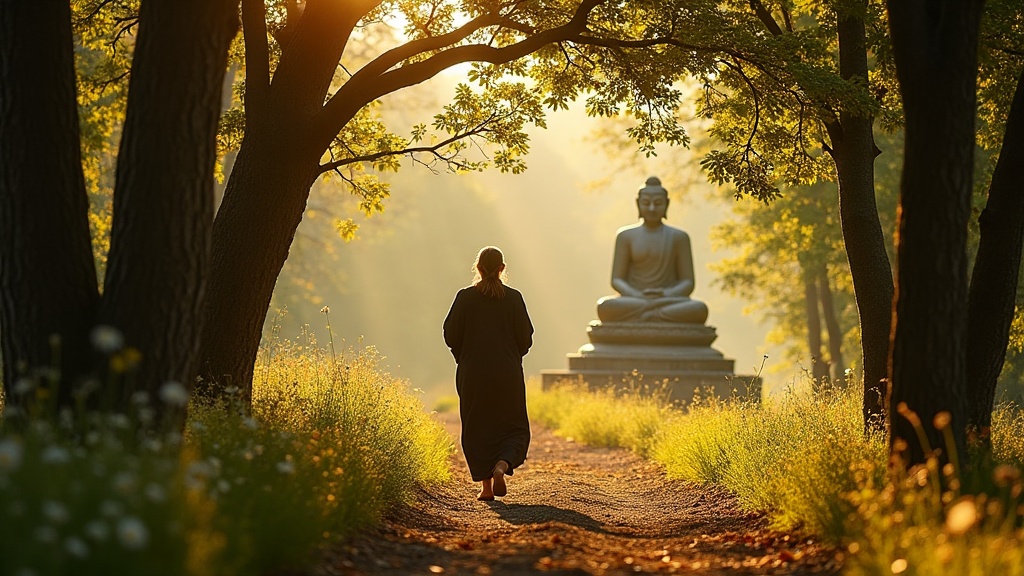
At 3:30 or 4:00 p.m., optional sessions resume. These might include walking meditation (slow, deliberate steps in a long line snaking through the property), tea meditation, calligraphy, or specialized workshops relevant to the retreat theme. Some retreats offer optional sessions with trained practitioners—brief private consultations about practice challenges, not formal therapy but pastoral care.
During certain retreats, spa services are available by appointment: massage, reflexology, energy work. These aren't standard inclusions but can be booked separately, typically €60-80 per session.
Evening: Closing the Circle
A light dinner is served at 6:00 p.m.—soup, salad, bread, fruit. Again, the first portion is silent.
The evening program at 7:30 p.m. varies: sometimes guided meditation, sometimes chanting, sometimes community performances or question-and-answer sessions with monastics. The tone is softer than morning sessions, more intimate.
By 9:00 p.m., the monastery quiets. Noble silence begins—no talking until after breakfast. The paths empty. Lights dim in the dormitories. On day one, you might lie awake, mind racing. By day four, you're asleep before you've finished noticing the silence.
The rhythm doesn't force transformation. It simply removes obstacles and waits.