Inside the Omega Institute Daily Schedule
Inside the Omega Institute Daily Schedule
The bell rings at 6:45 a.m., though you've likely been awake since the first bird call. On Day 1, you'll jolt upright, disoriented by unfamiliar walls and the absence of traffic noise. By Day 4, you'll already be dressed, mat rolled under your arm, walking toward the meditation hall while dew still clings to the grass.
Morning Rhythm: 7:00 to 9:30 a.m.
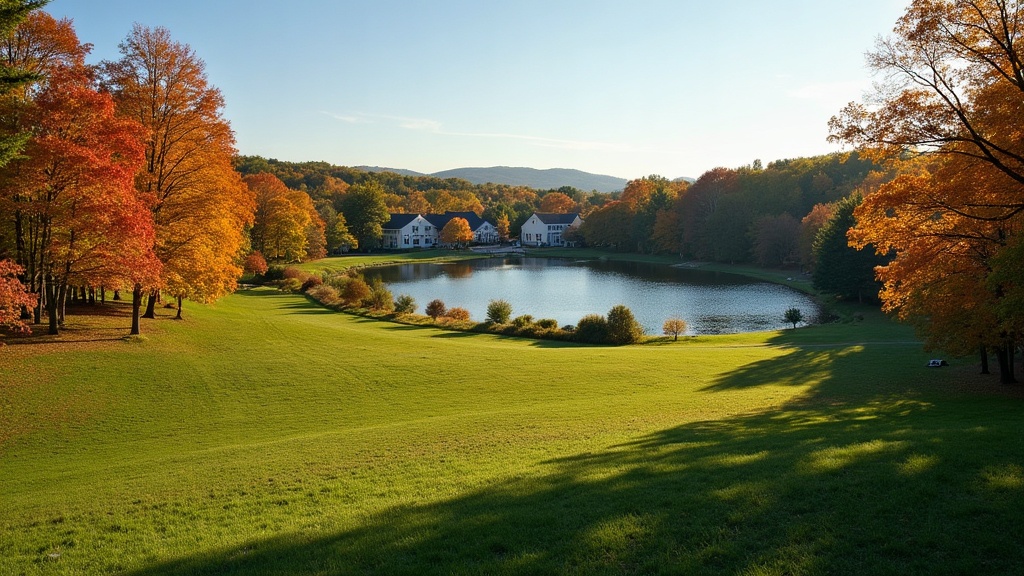
Morning practice begins at 7:00 sharp. In the main sanctuary or one of the smaller practice spaces scattered across the 190-acre campus, you'll find cushions already arranged in concentric circles. Silence settles differently here than at home—thicker, more intentional. The sitting typically lasts forty minutes. Some programs start with meditation, others with gentle movement. A five-day yoga intensive might open with pranayama; a mindfulness retreat begins on the cushion.
Asana practice follows at 7:45. Even if your program isn't yoga-focused, most schedules include optional morning movement. The yoga pavilion overlooks the woods, three walls open to whatever weather the Hudson Valley is offering. Your teacher's voice mixes with birdsong and the distant clatter from the dining hall, where breakfast prep has already begun.
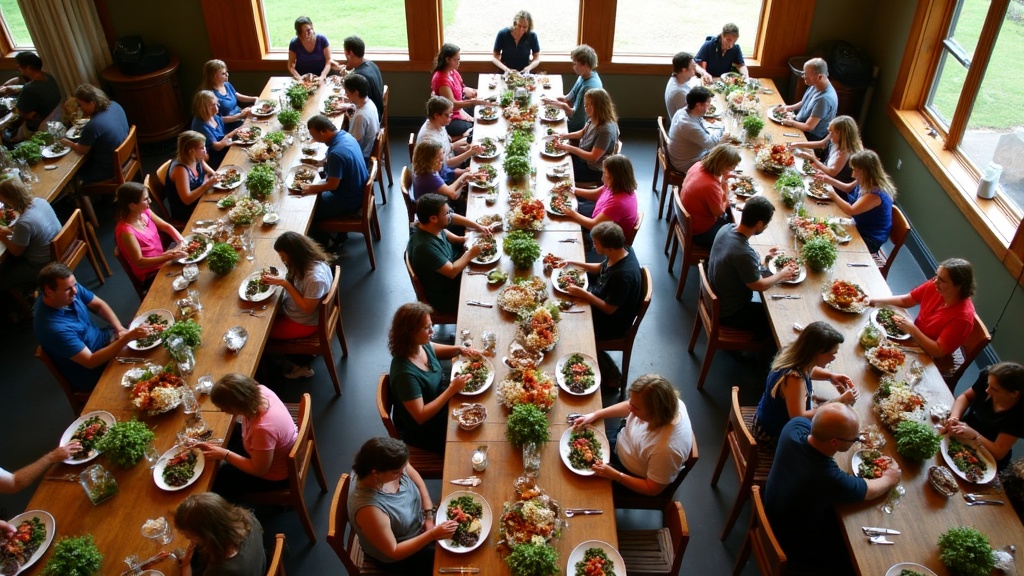
By 8:45, the paths converge toward the Cafe. Breakfast is substantial and thoughtfully composed: steel-cut oats with maple syrup tapped from trees visible through the windows, scrambled eggs from local farms, fruit salad that changes with the season, strong coffee, herbal tea. Much of what's served comes from Omega's own organic garden or from farms within twenty miles. The food matters here—not precious or performative, but clean and generous. First-day attendees eat quickly, still governed by city rhythms. By midweek, breakfast stretches to an hour of unhurried conversation.
Late Morning: 9:30 to 12:30 p.m.
The main teaching session begins at 9:30 or 10:00, depending on your program. This is the heart of why you came: three hours with the teacher whose book changed something in you, whose approach to trauma or creativity or spiritual practice drew you to register months ago.
Workshop formats vary widely. A writing retreat might alternate between teaching, prompts, and sharing in small groups. A psychology workshop involves lecture, partner exercises, and integration time. Meditation retreats keep you on the cushion with periodic dharma talks. Movement-based programs cycle through demonstration, practice, and refinement.
The Omega catalog lists hundreds of programs annually—weekend intensives, five-day deep dives, week-long trainings, conferences that draw eight hundred people. A typical July week might host simultaneous programs on attachment theory, Iyengar yoga, songwriting, and death doula training. The schedules run parallel but rarely intersect, creating distinct micro-communities within the larger campus.
Midday: 12:30 to 2:00 p.m.
Lunch mirrors breakfast in quality and sourcing. The midday meal tends toward composed bowls: quinoa or brown rice, roasted vegetables, beans, proteins that include fish and occasionally chicken. There's always a substantial vegetarian option. The salad bar stretches eight feet and changes daily. You eat outside when weather permits, at picnic tables overlooking the lake where a few brave souls swim even in early spring.
Afternoon: 2:00 to 6:00 p.m.
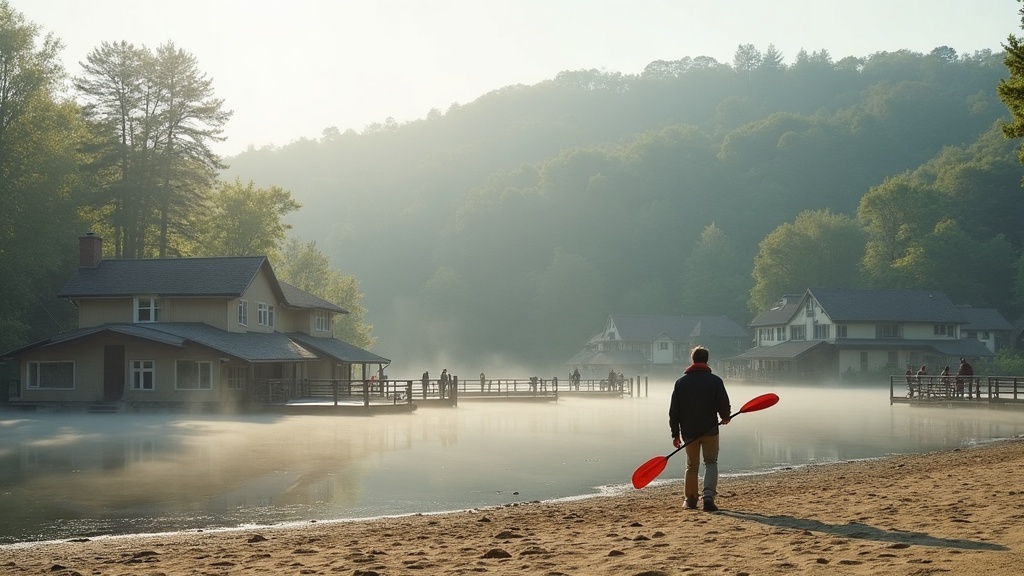
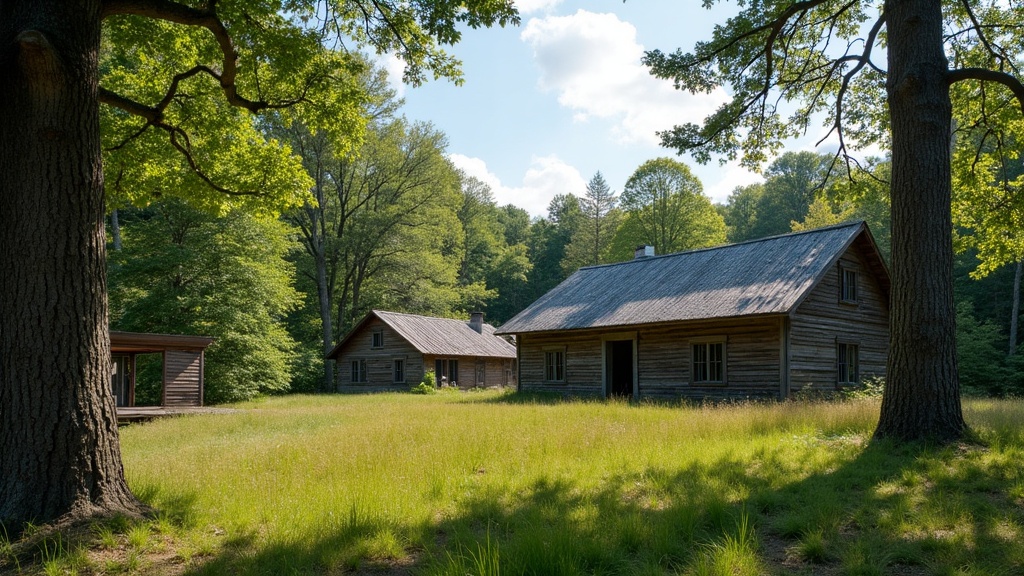
Most programs release you after lunch. How you spend these hours defines your particular retreat. Some people disappear to their cabins to nap or journal. Others book massage appointments at the spa—bodywork, reiki, craniosacral therapy. The lake draws a steady stream: kayaks, swimming, sitting on the small beach with a book.
Some programs schedule optional afternoon sessions—additional practice, Q&A with teaching assistants, affinity groups. But the institution understands that integration requires space. The trails through the woods are well-marked and mostly empty. The Wellness Center offers drop-in yoga at 4:00 p.m.
Evening: 6:00 to 9:00 p.m.
Dinner begins at 6:00. The meal feels more festive—people dress slightly better, gather in established groups. By Day 4, you have people you look for, tables you prefer.
Evening programs start at 7:30 or 8:00. These sessions typically differ from morning work: more reflective, more spacious. A teacher might offer guided meditation, show films, host open conversation. Some programs bring in musicians or dancers for evening performances. Certain retreats maintain silence after dinner.
The cafe stays open until 9:00 for tea and quiet conversation. By 9:30, the campus grows still. First-nighters lie awake, adjusting. By midweek, you're asleep before full dark, more tired than seems reasonable, emptied in the way the practice promises.