Eating at GOAT Community: The Food Experience
Eating at GOAT Community: The Food Experience
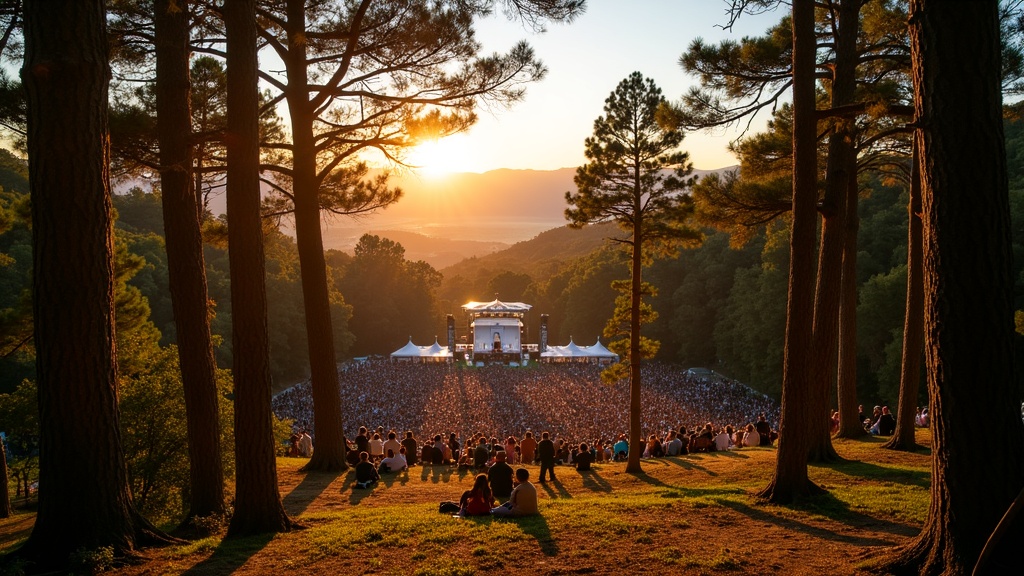
When festivals emerge organically from local roots rather than corporate blueprints, the food tells a different story. GOAT Community, born from five childhood friends dancing in Portugal's Magic Mountains, hasn't published elaborate manifestos about their culinary philosophy—and that absence speaks volumes. This is a transformational festival that grew from a COVID-era day party into an international gathering, which means the food culture is still finding its footing, shaped more by logistical necessity and the Portuguese mountain context than by rigid dietary doctrine.
The Philosophy (Or Lack of Formal Doctrine)
Unlike established retreat centers with decades-old Ayurvedic kitchens or raw food protocols, GOAT Community appears to take a more pragmatic approach. The festival embraces wellness, sound healing, and consciousness expansion, but there's no indication of strict vegetarian requirements or elaborate food philosophy. This aligns with the European transformational festival scene, where nourishment tends toward healthy-but-flexible rather than doctrinaire. Expect vegetable-forward, locally-sourced Portuguese fare that supports the body without demanding ideological purity. The emphasis seems to be on community gathering over dietary perfection—fuel for dancing, not food as religion.
What You'll Actually Eat
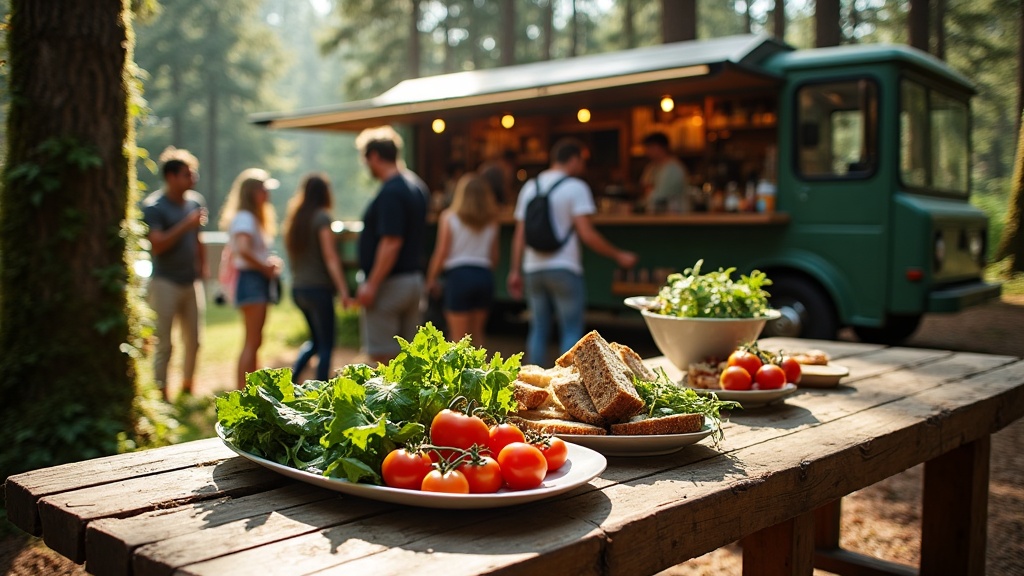
Detailed meal descriptions aren't available in GOAT's public materials, which itself is telling. Festival-goers should anticipate communal-style meals that reflect the region's agricultural abundance: think hearty vegetable soups, grain bowls, seasonal salads, and likely some Portuguese staples adapted for an international wellness crowd. Breakfast might feature fresh fruit from local orchards, bread, spreads, and perhaps porridge or granola. Lunch and dinner probably center on shared platters—roasted vegetables, legume-based proteins, rice or couscous, simple but nourishing fare that keeps hundreds of dancers and meditators sustained without the complexity of à la carte ordering.
The São Pedro do Sul region, famous for its thermal waters and mountainous terrain, offers access to incredible produce, chestnuts, wild greens, and traditional Portuguese ingredients that, when handled with care, create satisfying meals without needing to import superfood trends from Bali or California.
Where and How Meals Happen
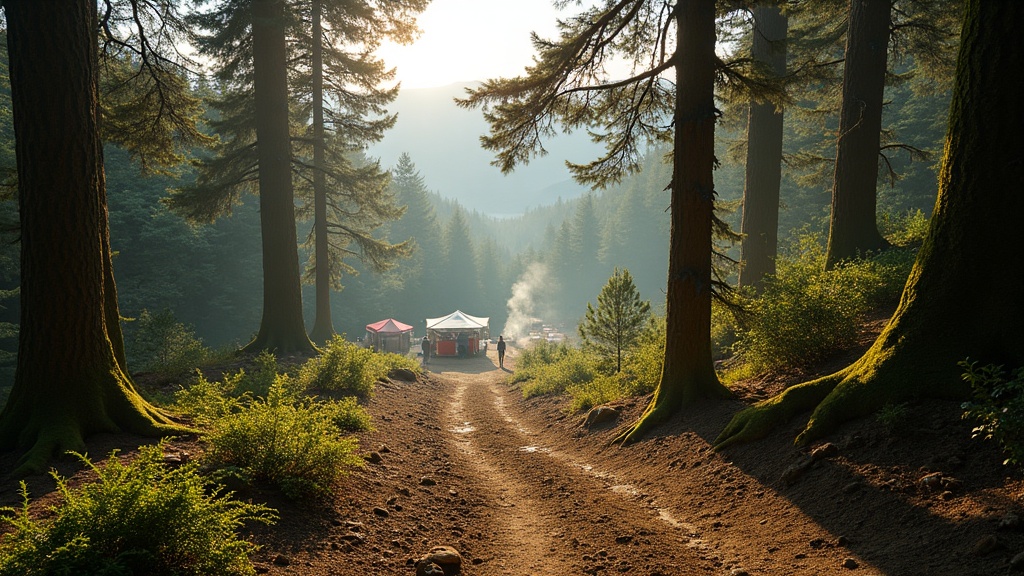
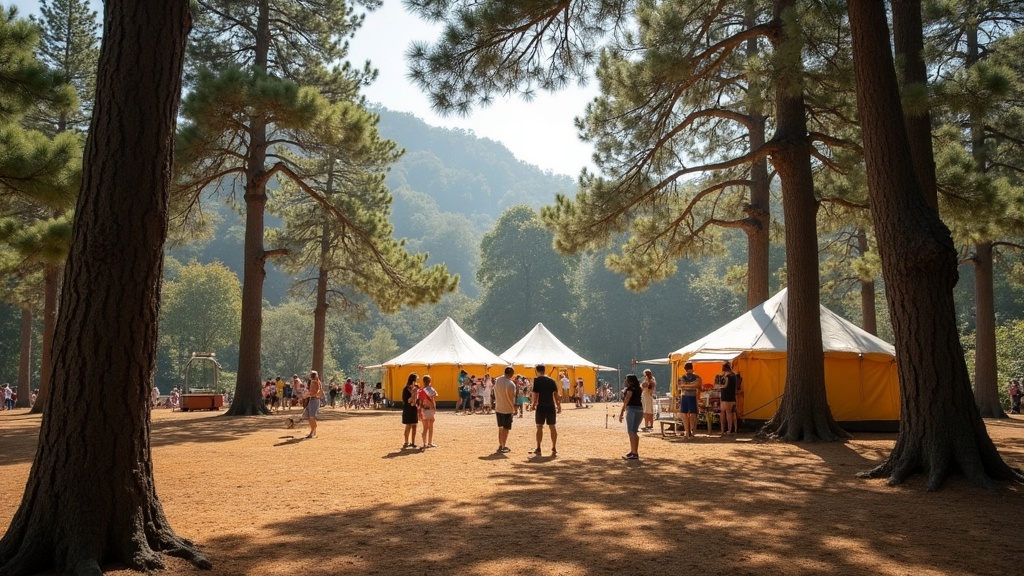
Given GOAT's intimate scale and mountain setting, meals likely unfold in a communal gathering space—perhaps under canopy tents, in a clearing among the moss-cloaked pines, or near the hidden lakes mentioned in the festival's origin story. Expect long tables, family-style service, and the kind of informal atmosphere where you sit beside strangers who become friends over shared bowls. The dining experience at smaller transformational festivals functions as its own form of community building, less about white tablecloths and more about eye contact, conversation, and the soft magic of eating together in nature.
Accommodations and Restrictions
Without specific information published, those with dietary restrictions should plan proactively. Contact organizers well in advance about gluten-free, vegan, or allergy needs. Smaller festivals can often accommodate requests more personally than large operations, but they need advance notice. The vegetable-forward approach means vegan modifications are likely straightforward, but those requiring strict gluten-free protocols should confirm procedures and possibly bring supplemental options.
Between-Meal Survival
Details on snack availability, beverage stations, or all-day food access aren't specified. Wise festival-goers pack their own trail mix, fruit, energy bars, and protein snacks. Mountain festivals can involve significant walking between stages, meditation spaces, and thermal springs—grazing options become crucial for sustained energy.
The Caffeine Question
No published caffeine policy exists, suggesting a relaxed European approach rather than strict restrictions. Coffee is likely available, though perhaps not the elaborate oat-milk-latte bar found at larger wellness festivals. Tea selections may lean toward herbal and medicinal, but don't expect prohibition.
Special Meals and Food Programming
Information about ceremonial dinners, cooking workshops, or food-focused programming isn't available, which suggests GOAT's focus remains on music, dance, and sonic healing rather than culinary experience as spiritual practice.
The bottom line: GOAT Community's food won't be the star attraction, nor will it be famously austere. It's honest mountain festival fare—simple, communal, probably delicious in the way that food tastes better when eaten outdoors among friends, but not the kind of cuisine that generates Instagram devotion or dietary controversy.