TLDR: Sabrina Jordan demonstrates a simple but often-overlooked principle: turning your phone sideways (landscape orientation) engages stereo audio speakers positioned on both sides of the device, creating a fuller, more spatially immersive listening experience for acapella vocals and hand drum performances. Rather than relying on a single bottom-facing speaker in portrait mode, landscape mode activates the built-in stereo field, revealing layers of vocal texture and percussion dynamics that mono or compressed audio obscures.
Why Phone Orientation Matters for Audio Quality
Most smartphone users hold their devices in portrait mode by default. This vertical orientation concentrates audio output through speakers typically positioned at the bottom or edges of the phone, often resulting in mono or pseudo-stereo sound. When you rotate the phone to landscape mode, the physical distance between the left and right speakers increases, allowing true stereo separation to occur. For performers like Sabrina Jordan who work with acapella vocals layered with hand percussion, this spatial expansion has a tangible effect on listener perception.
The human ear is inherently attuned to spatial audio cues. When stereo information is present — distinct left and right channels — the brain reconstructs a sense of width, depth, and instrument placement. With hand drums especially, which produce complex tonal variations and rhythmic resonance, the added stereo field lets each strike and resonance occupy its own acoustic space. Acapella singing, stripped of instrumental backing, benefits similarly: multiple vocal layers or harmonics become more distinct when they appear at slightly different positions in the stereo field rather than collapsed into a single center point.
What Does Rotating Your Phone Actually Change?
The physical act of rotating your phone is not primarily about the video or visual frame (though landscape does widen the visual field). The key change is audio routing. Modern smartphones are engineered with speaker arrays designed to deliver stereo output when the device is horizontal. In portrait orientation, these same speakers may be compressed into a narrower configuration, or the device's software may downmix stereo content to mono for listening convenience.
When you turn the phone sideways, you activate the full stereo capability of the hardware. If the source audio (the recording itself) contains true stereo information — vocals panned left and right, hand drums recorded in a stereo field — rotating the phone allows that information to reach your ears as intended. Even if the original recording is mono, the act of laterally separating the speakers can create a subtle sense of spatial width that feels more open than the collapsed center-point audio of portrait mode.
Acapella Performance in Stereo: How It Changes the Listening
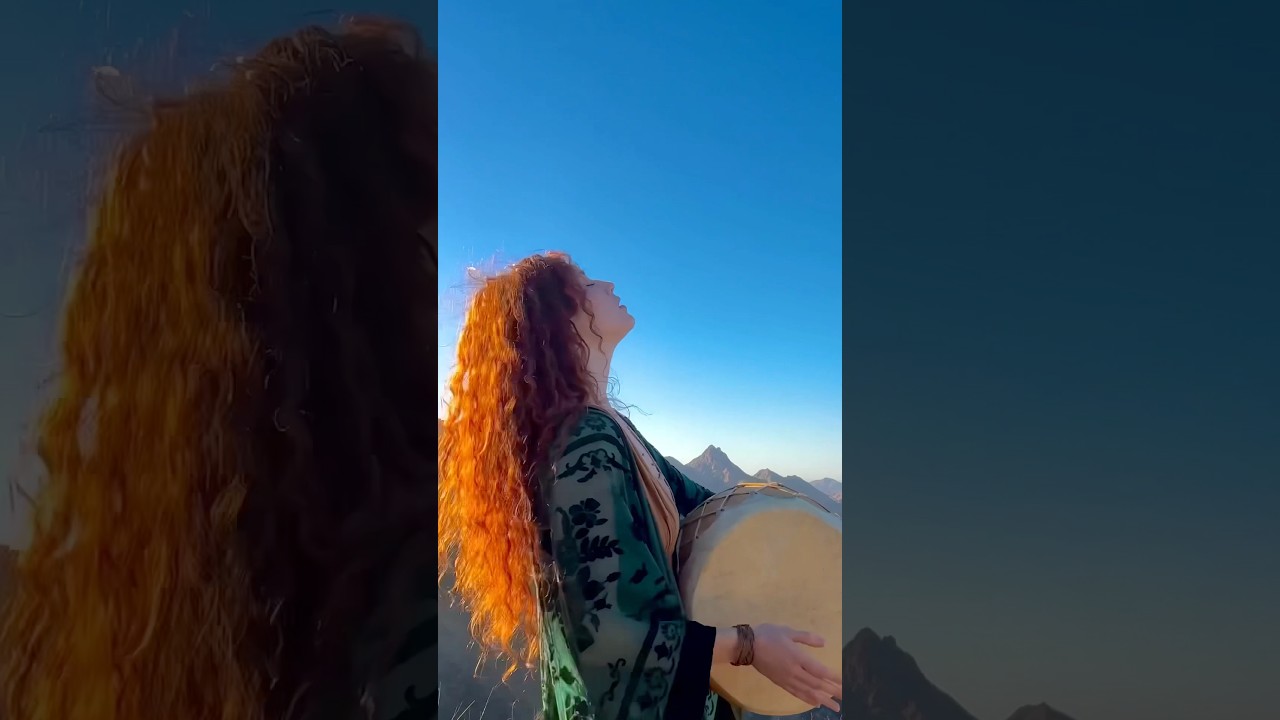
Acapella singing relies entirely on vocal texture, tone, and layering for its musical impact. Without instrumental accompaniment, every nuance of the human voice becomes the primary focus. Sabrina Jordan's acapella work, paired with hand drumming, creates a dual-channel performance: one channel is the voice (or multiple vocal layers), and the other is rhythmic percussion.
In mono or compressed audio, these elements fight for the same acoustic space. The listener hears them stacked on top of each other, which can muddy harmonic detail or obscure the intricacy of hand drumming patterns. In stereo, with proper spatial placement, the vocals and hand drum occupy distinct positions. A vocal line might favor the left channel while drums resonate on the right, or they might be more subtly distributed across the stereo field. This separation allows the listener's auditory system to track each element independently, resulting in clearer perception of the overall musical gesture.
Hand Drum Dynamics in Spatial Audio
Hand drums — whether frame drums, tablas, djembes, or other percussion instruments — produce rich harmonic content. Each strike contains multiple frequency bands: the initial attack (the transient), the fundamental tone of the drum, and overtones that resonate at various pitches. Professional recordings of hand drum performances often capture this complexity in stereo, with the drum's attack centered and overtones spread across the field.
When listening in portrait mode, these layered frequencies compress into a narrow band, and the listener may only perceive the drum as a general sound object rather than a complex, textured instrument. Rotating to landscape mode and engaging stereo separation allows the overtones and resonances to breathe across the stereo field. Sabrina Jordan's hand drumming thus becomes more vivid, more tactile, and more expressive than it would in mono.
Disney's "Frozen" Acapella Reimagining
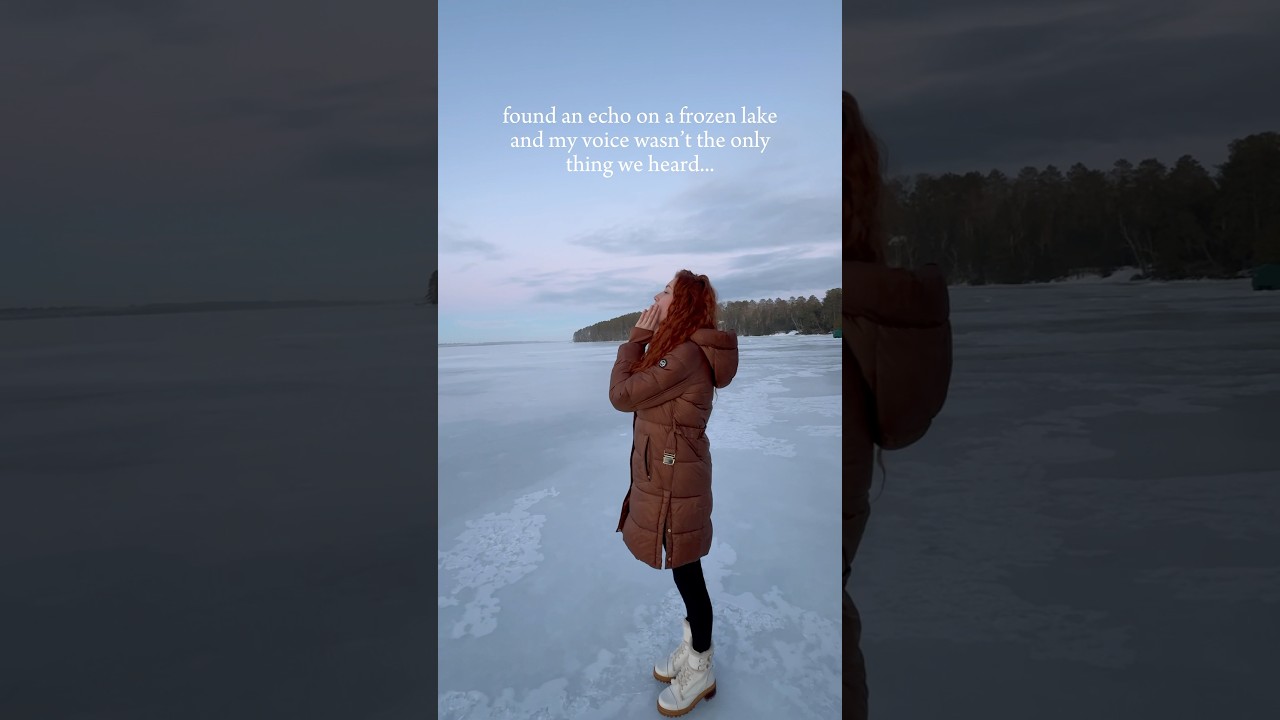
The video's mention of Disney's Frozen suggests that Sabrina Jordan may be performing or reimagining music from the Frozen soundtrack in acapella and hand drum format. Film music, particularly from Disney productions, is typically recorded in full stereo with lush orchestration. An acapella reinterpretation removes that orchestration and places the vocal performance front and center.
By stripping away instruments and introducing hand drums as a rhythmic foundation, an acapella Frozen cover takes on an entirely different character from the original film version. The listener experiences the emotional core of the melody and lyrics without orchestral enhancement. This rawness is amplified — literally — when heard in stereo on a sideways phone: the voice has room to resonate, and the hand drum provides grounded, organic rhythm that complements rather than competes with vocal expression.
Practical Implications: Why This Matters for Conscious Listening
For audiences interested in conscious or mindful listening, the shift from portrait to landscape audio has real implications. Mindful listening typically involves attending fully to the nuances of sound — the textures, layers, and emotional undertones of music. Compressed, mono audio reduces the amount of auditory information available to the listener, making full attention more challenging.
Engaging stereo audio through a simple phone rotation removes a technical barrier to deeper listening. The experience becomes less abstract (listening to sound compressed in a small speaker) and more immersive (listening to spatially distributed audio that more closely mirrors how humans experience live acoustic performance). For acapella and hand drum music especially, which prioritize human voice and human-played percussion, this spatial authenticity matters.
The Technical Reality: Stereo Capability and Device Design
Not all smartphones have genuinely separate stereo speakers. Some devices have a primary speaker and a secondary speaker or earpiece that can carry a stereo channel. Others use software-level stereo imaging to create a pseudo-stereo effect from a single physical speaker. However, modern flagship phones and many mid-range devices do incorporate dual speaker systems positioned to leverage stereo separation when the phone is horizontal.
For the best experience with Sabrina Jordan's performance, using external stereo speakers or headphones will always provide more precise stereo separation than phone speakers alone. However, the basic principle holds: landscape orientation, whether on phone speakers or with external audio, allows stereo information to be reproduced more fully than portrait orientation.
Where to Go From Here
If you want to deepen your engagement with acapella and hand drum performances, experiment with the simple practice Sabrina Jordan suggests: rotate your device and notice the difference in audio clarity, spatial presence, and emotional impact. Pay attention to which elements feel more distinct in stereo, and which vocal or percussion details become clearer. This active listening practice can refine your ear for subtlety in vocal performance and rhythmic expression.
Explore other acapella and hand drum artists to develop familiarity with how these genres benefit from spatial audio. Consider using quality headphones or external speakers when available, as they typically offer fuller stereo separation than phone speakers. And if you work with audio yourself — recording, mixing, or performing — remember that your listeners' devices and listening environments vary widely; a small production choice, like mentioning that a performance sounds best in landscape mode, can meaningfully enhance the audience's experience.