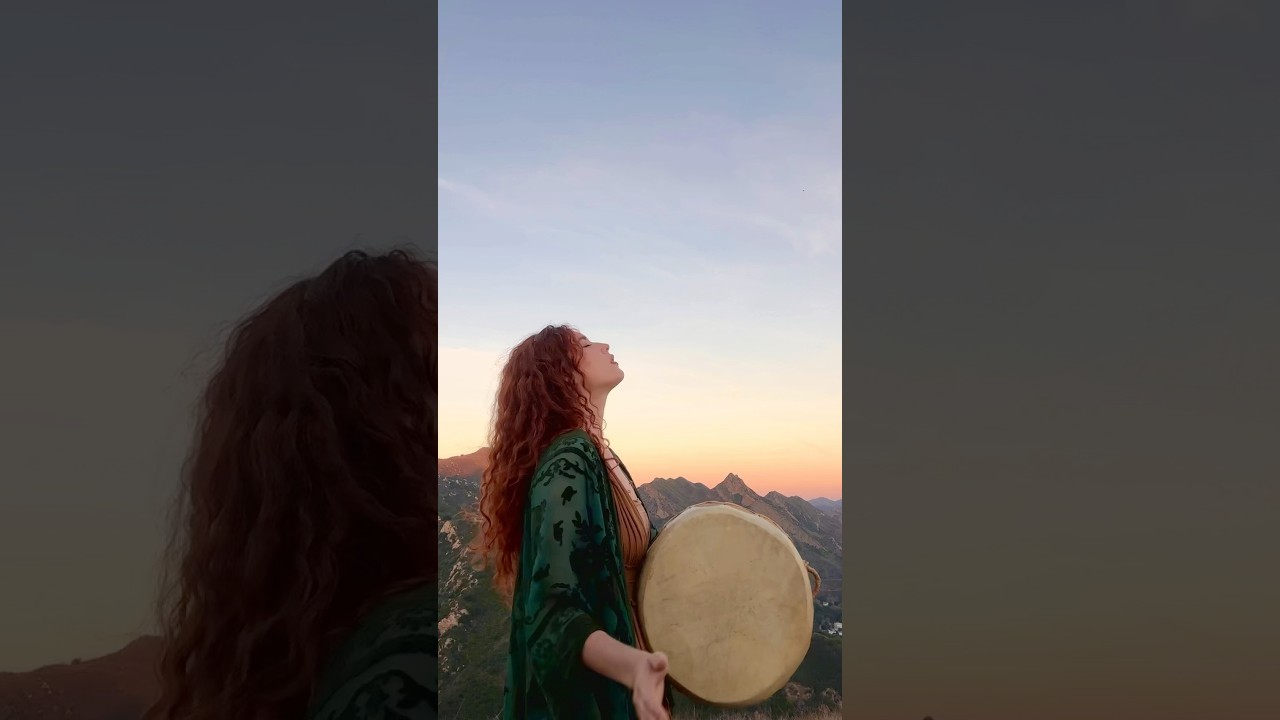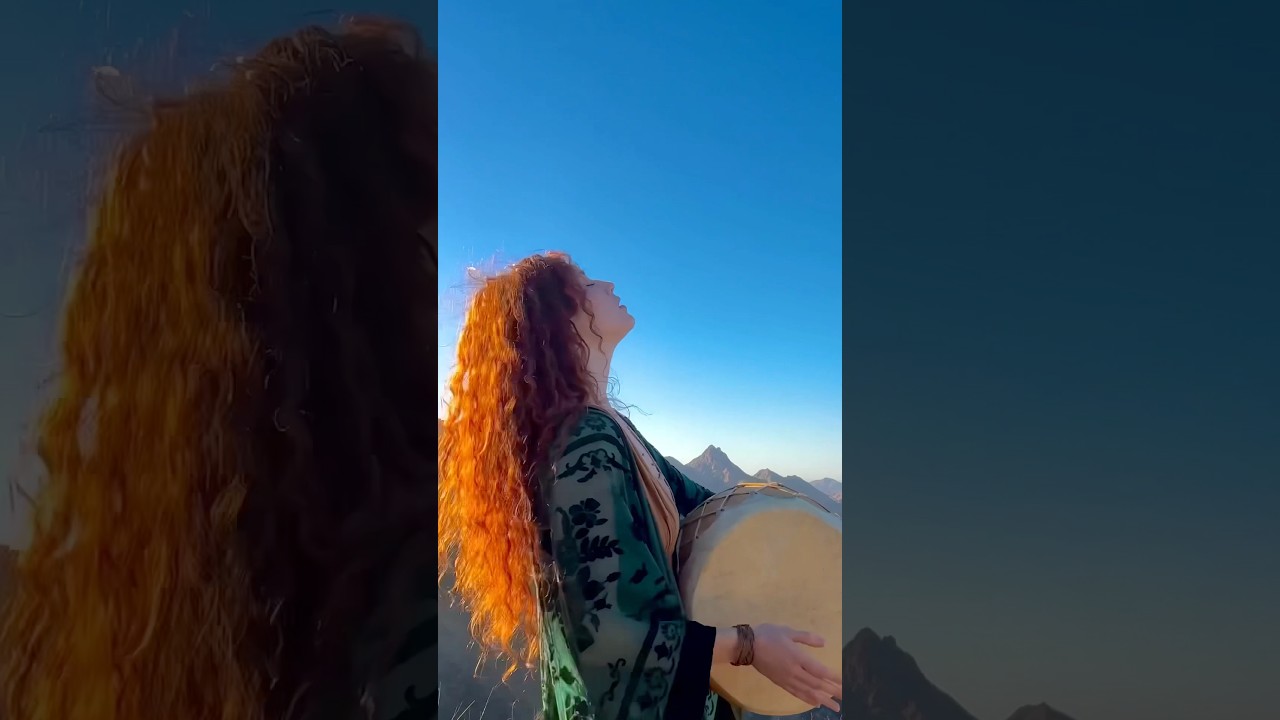
TLDR: A cappella singing—voice without instrumental accompaniment—represents a direct, unmediated form of vocal expression that requires presence, breath awareness, and authentic emotional transmission. The human voice, stripped of production or backing, becomes both instrument and mirror of inner state, offering listeners and singers alike a path to intimacy and embodied consciousness.
What Makes A Cappella Singing a Practice of Presence?
A cappella performance is inherently demanding: the singer has no instrumental safety net, no harmonic bed to hide behind. Every breath, every micro-shift in pitch, every emotional quaver is audible and direct. This nakedness is precisely what makes it a contemplative practice. The singer must inhabit the sound fully, cannot delegate effort to an orchestra or backing track, and must trust their own breath and voice to hold the space.
In a cappella singing, the body becomes the instrument. The breath becomes visible—literally heard—and the resonance chambers of the chest, head, and throat all contribute to the final sound. This demands a level of embodied awareness that many instrumental performances, by contrast, can partially bypass. The singer is not playing an external object; the singer is the song.
How Does Unaccompanied Singing Create Intimacy with Listeners?
When a voice arrives without orchestral framing, without studio production, without the emotional scaffolding of instrumental accompaniment, the listener is invited into a different kind of listening. There is nowhere to hide—neither for singer nor listener. The sweetness of an a cappella moment, as invoked in the performance context, comes from this directness: one human voice reaching toward another human ear.
The absence of accompaniment paradoxically creates presence. Without the distraction of layered sound design, both singer and listener can attune more finely to nuance: the warmth of tone, the sincerity of phrasing, the emotional authenticity encoded in how words are shaped. A moment described as "sweet" in an a cappella context often signals this breakthrough of pure feeling—the moment when technical skill becomes transparent and only vulnerability and truth remain.
What Role Does Breath Play in A Cappella Performance?
Breath is the foundation of singing, but in a cappella work, it becomes foregrounded. There are no sustained synthesizer pads or string arrangements to bridge the gaps where a breath occurs. The breath is part of the song; it is heard, and it must be intentional. In contemplative and spiritual singing traditions, breath awareness is itself a meditation—the singer learns to release tension, to receive air fully, to exhale sound with authority.
In traditions from Gregorian chant to Indian classical music to contemporary a cappella, the quality of breath determines the quality of tone. A rushed breath creates tension; a full, conscious breath creates ease and resonance. For the singer, a cappella performance becomes a practice of breath consciousness. For the listener, the audible breath is a reminder that a living, embodied being is present, not a recording.
How Does A Cappella Connect to Wholesome and Accessible Expression?
The term "wholesome" often signals sincerity, accessibility, and freedom from irony or cynicism. A cappella singing, particularly in short, social-media-native moments, embodies this quality. A person, a voice, a brief song—no production required, no barriers to entry. In a world saturated with produced, engineered, filtered content, a cappella offers a countercultural honesty: this is me, unfiltered, singing for you.
This accessibility is spiritual in its own right. It says: anyone can do this. You do not need expensive equipment, a recording studio, or a backing band to share a moment of beauty. Your voice, as it is, is enough. This democratization of musical expression—the possibility that presence and authenticity matter more than production quality—opens the door for more people to engage in singing as a practice, not a performance art reserved for professionals.
What Is the Connection Between Frozen, Disney, and Contemporary A Cappella Culture?
Disney's Frozen soundtracks have become a cultural touchstone, particularly for younger singers and audiences. The songs—especially the iconic ballads—have vocal ranges and emotional trajectories that invite a cappella interpretation. When a singer chooses to perform a Disney song a cappella, they are often working with material that is already deeply familiar to millions, which creates a shared emotional reference point.
The a cappella rendering of well-known material serves multiple functions: it demonstrates vocal skill and emotional interpretation of beloved melodies, it invites the listener to hear the song anew (stripped of the original production), and it participates in a democratized, remix-friendly digital culture where covers and reinterpretations are the norm. The "sweetness" of such a moment—as described in the original framing—may also lie in the recognition: listeners know this song, they bring their own emotional history to it, and then they hear it transformed through a single voice.
Where to Go from Here
If you're drawn to a cappella singing as a practice, consider exploring it first through listening: seek out recordings of a cappella specialists, from Gregorian chant to contemporary vocal groups like Pentatonix or The King's Singers. Notice how your listening shifts when accompaniment is absent. Then, if called to do so, experiment with your own voice a cappella—in the shower, in your car, or in dedicated practice time. Pay attention to your breath, to the resonance in your chest and head, to the emotions that arise. A cappella is not performance; it is presence. It is you, discovering what your voice is capable of when nothing else is there to support it.