BrightStar

Sfoglia tutti i Events

Discover conscious gatherings

events

Yoga
Meditation
Breathwork
Qigong
Tai Chi
Sacred Music
World Music
Medicine Music
Sound Healing
Ecstatic Dance
Destinazioni popolari
BaliSedonaLos AngelesCosta RicaNew YorkSan FranciscoAustinMiamiJoshua TreeTulum
Vedi tutte le categorieVedi tutte le destinazioni

Esplora tutte le funzionalità

Strumenti potenti per far crescere i tuoi eventi

Funzionalità della piattaforma

Prezzi dinamici intelligenti
Categorie di biglietti
Posti assegnati
Recupero carrelli abbandonati
Recupero visitatori
Donazioni e prezzi variabili
Sistema affiliati
Scanner biglietti
Codici sconto
Domande personalizzate
Condivisione biglietti
Upsell e componenti aggiuntivi
Analisi e report
Sequenze email
Lista d'attesa / Notifica / Promemoria
Persone e Luoghi
Artists & TeachersEvent OrganizersVenues & StudiosKnowledge BaseGlossaryInspiration
Vedi tutte le funzionalitàChi siamo
PrezziBlog
Sfoglia tutti gli eventi

events

YogaMeditationBreathworkQigongTai ChiSacred MusicWorld MusicMedicine Music

Destinazioni popolari

BaliSedonaLos AngelesCosta RicaNew YorkSan Francisco

Persone e Luoghi

Artists & TeachersEvent OrganizersVenues & StudiosKnowledge BaseGlossaryInspiration

Funzionalità della piattaforma

Prezzi dinamici intelligentiCategorie di bigliettiPosti assegnatiRecupero carrelli abbandonatiRecupero visitatoriDonazioni e prezzi variabiliSistema affiliatiScanner bigliettiCodici scontoDomande personalizzateCondivisione bigliettiUpsell e componenti aggiuntiviAnalisi e reportSequenze emailLista d'attesa / Notifica / Promemoria
Vedi tutte le funzionalitàChi siamo
PrezziBlog
AccediRicercatoriCreatori
Tibetan BuddhistOm Mani Padme Hum · Om Mani Padme Hum · Om Mani Padme Hum · Om Mani Padme Hum ·
  • Sfoglia tutti i Events
  • Per i ricercatori
  • Yoga
  • Meditation
  • Breathwork
  • Qigong
  • Tai Chi
  • Sacred Music
  • Ritiri
  • Workshop
  • Tutte le categorie →
  • Bali
  • Sedona
  • Los Angeles
  • Costa Rica
  • Tulum
  • Byron Bay
  • San Francisco
  • Austin
  • Tutte le città →
  • Per i creatori
  • Per gli scrittori
  • Per gli insegnanti
  • Per gli artisti kirtan
  • Per gli studi
  • Per i festival
  • Per i centri ritiro
  • Per le no-profit
  • Ambasciatore del brand
  • Case study
  • Rete di 350K+ acquirenti
  • Recupero carrelli abbandonati
  • Prezzi dinamici intelligenti
  • Categorie di biglietti
  • Eventi ricorrenti
  • Posti assegnati
  • Sistema affiliati
  • Lista d'attesa / Notifica
  • Scanner biglietti
  • Widget incorporabile
  • Tutte le funzionalità →
  • Chi siamo
  • Blog
  • Glossario
  • Inspiration
  • Centro assistenza
  • Contatti
  • Documentazione API
  • Risorse del brand
  • Carriere
  • Stampa
  • Termini di servizio
  • Informativa sulla privacy

Events

  • Sfoglia tutti i Events
  • Per i ricercatori
  • Yoga
  • Meditation
  • Breathwork
  • Qigong
  • Tai Chi
  • Sacred Music
  • Ritiri
  • Workshop
  • Tutte le categorie →

Destinazioni

  • Bali
  • Sedona
  • Los Angeles
  • Costa Rica
  • Tulum
  • Byron Bay
  • San Francisco
  • Austin
  • Tutte le città →

Per i creatori

  • Per i creatori
  • Per gli scrittori
  • Per gli insegnanti
  • Per gli artisti kirtan
  • Per gli studi
  • Per i festival
  • Per i centri ritiro
  • Per le no-profit
  • Ambasciatore del brand
  • Case study

Funzionalità

  • Rete di 350K+ acquirenti
  • Recupero carrelli abbandonati
  • Prezzi dinamici intelligenti
  • Categorie di biglietti
  • Eventi ricorrenti
  • Posti assegnati
  • Sistema affiliati
  • Lista d'attesa / Notifica
  • Scanner biglietti
  • Widget incorporabile
  • Tutte le funzionalità →

Azienda

  • Chi siamo
  • Blog
  • Glossario
  • Inspiration
  • Centro assistenza
  • Contatti
  • Documentazione API
  • Risorse del brand
  • Carriere
  • Stampa
  • Termini di servizio
  • Informativa sulla privacy
BrightStar
© 2026 BrightStar. Tutti i diritti riservati.
Back to Mingtong Gu
Where to Start with Mingtong Gu: A Beginner's Guide
For Beginners

Where to Start with Mingtong Gu: A Beginner's Guide

Your best entry point is searching for Mingtong Gu's live or recorded Qigong practice sessions on YouTube. Look specifically for his guided morning practice videos, which typically run 20-30 minutes.

Mingtong Gu
Mingtong Gu
Jun 18, 2026
3 min read
Read · 1 sections

Where to Start with Mingtong Gu: A Beginner's Guide

Begin With a Live Practice Session on YouTube

Your best entry point is searching for Mingtong Gu's live or recorded Qigong practice sessions on YouTube. Look specifically for his guided morning practice videos, which typically run 20-30 minutes. These sessions combine gentle movement, breathwork, and energy cultivation in a format that requires no prior knowledge. You'll follow along as Mingtong demonstrates simple standing movements while guiding your attention to your breath and body sensations. The immediacy of practicing alongside him—rather than reading about Qigong or listening to theory—gives you direct experience of what this work actually feels like in your body.

After That First Practice

Once you've done a session or two, attend a free webinar or online event through the Chi Center (his teaching organization). These introductory sessions happen regularly and give you context for what you've been practicing. Mingtong typically explains the philosophy behind Qigong's approach to energy, health, and consciousness without overwhelming newcomers with technical terminology.

Next, explore his instructional materials on breath and energy awareness specifically. Look for shorter teaching segments where he breaks down the fundamentals of "qi" as felt experience rather than abstract concept. These usually focus on sensing warmth, tingling, or flow in your hands and body—concrete physical sensations that anchor the practice.

If you find yourself drawn deeper, investigate his longer workshops or courses offered through the Chi Center. These multi-week programs provide structure and progression that daily YouTube practice sessions cannot.

What to Expect on First Encounter

Your first session will feel deceptively simple. The movements are slow, gentle, and accessible to any fitness level—more like meditation in motion than exercise. Mingtong's teaching style is warm and encouraging, often infused with gentle humor. You may feel warmth in your palms, a tingling sensation in your fingertips, or unexpected emotional releases. Some people feel energized; others deeply relaxed. Many feel nothing particularly dramatic and wonder if they're "doing it right." All these responses are normal. The practice works on subtle levels that accumulate over time rather than delivering instant transformation.

How Beginners Misunderstand This Work

The most common mistake is approaching Qigong as either pure exercise or pure visualization. It's neither—and both. Beginners often try too hard, muscling through the movements or forcing sensations, when Qigong fundamentally involves softening, allowing, and cultivating sensitivity. Others dismiss it as "too woo-woo" because Mingtong speaks about energy, consciousness, and healing in ways that sound mystical. The paradox: this is an experiential practice based on observable effects in your nervous system, breathing patterns, and emotional state. You don't need to believe anything; you need to practice and notice.

Another misunderstanding: expecting immediate healing or dramatic energy experiences. Mingtong's approach emphasizes gradual cultivation and integration rather than peak experiences.

When This Work Lands Hardest

Qigong with Mingtong Gu tends to resonate most powerfully during life transitions: recovering from illness or burnout, grieving, moving through career changes, or sensing that purely intellectual or achievement-oriented approaches have hit their limits. It speaks to people who need gentleness after years of pushing, or those seeking embodied practice after too much time in their heads. The work also attracts those in midlife and beyond who are becoming more interested in longevity, vitality, and spiritual maturity than external accomplishment.

Your One-Week Starter Plan

Days 1-2: Do one 20-minute YouTube practice session each morning. Notice physical sensations without judgment.

Day 3: Practice in the morning, then watch a short teaching video on energy awareness. Journal briefly about what you're noticing.

Days 4-5: Morning practice continues. Add five minutes of the standing meditation Mingtong teaches, focusing purely on breath and body sensation.

Day 6: Rest day. Notice how your body feels without practice.

Day 7: Longer practice session (30-40 minutes) incorporating everything you've learned. Decide whether to continue exploring or move on.
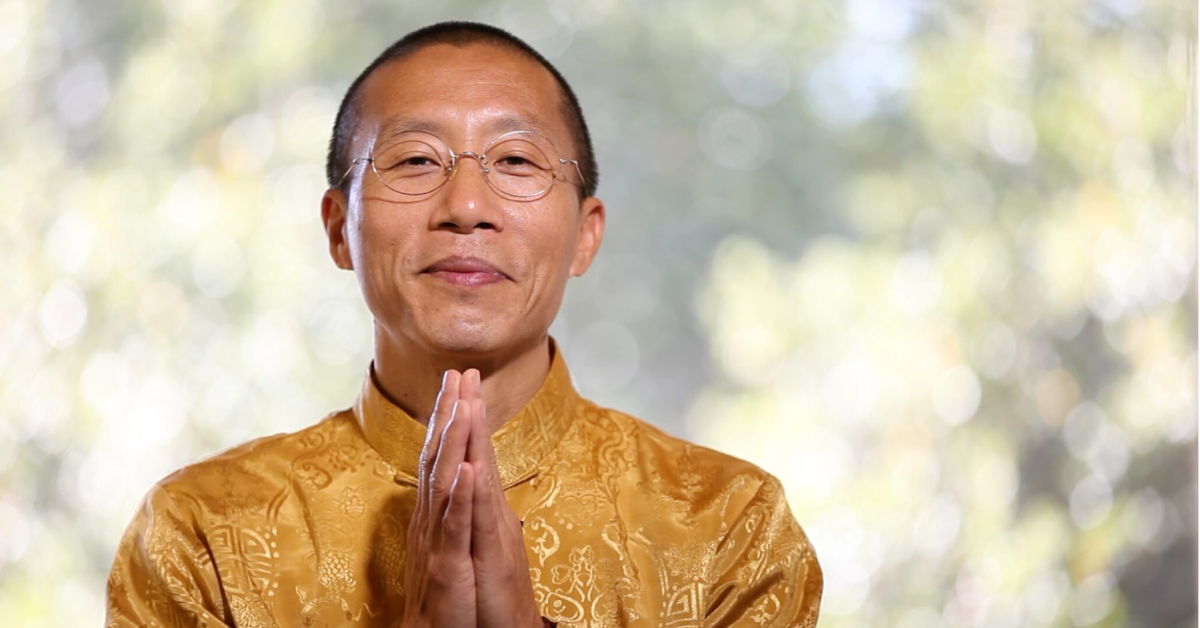
Mingtong Gu
AboutMingtong Gu

Chinese Qigong master and founder of the Chi Healing Institute who bridges ancient energy practices with modern wellness to guide global students toward healing and spiritual devel…

View profileWebsite

Continue Reading

More about Mingtong Gu

View All
Who Is Mingtong Gu? Life, Work, and Legacy
Article

Who Is Mingtong Gu? Life, Work, and Legacy

Mingtong Gu's Teaching: Approach, Method, and Voice
Article

Mingtong Gu's Teaching: Approach, Method, and Voice

Keep exploring

Continue your journey

More wisdom and gatherings from across the BrightStar directory.

More Articles

Browse the full library of teachings, interviews, and guides.

Back to all articles →

Teachers & Artists

Explore the lineages, musicians, and guides of the conscious world.

Explore artists →

Find an Event

Kirtan, retreats, sound baths, breathwork, festivals — happening soon.

Browse events →