Best Programs at Parmarth Niketan for Beginners
Best Programs at Parmarth Niketan for Beginners
The fear is almost always the same: you'll show up unable to touch your toes while everyone else folds into lotus position before dawn, chanting Sanskrit you can't pronounce. You'll be the only one who doesn't know when to ring the bell, or worse, you'll accidentally disrespect a ritual you didn't know existed.
Here's what actually happens at Parmarth Niketan: you arrive jet-lagged and disoriented, and within hours you're sitting beside a German engineer, a Indian grandmother, and a Brazilian college student—all equally bewildered by the 4 a.m. wake-up call. The ashram holds over 1,000 rooms precisely because it receives thousands of genuine beginners annually. The fear is misplaced because Parmarth runs on a model of radical accessibility.
Where the fear is warranted: if you need luxury accommodations, temperature control, or dietary accommodation beyond vegetarian. This is an ashram, not a resort. The Ganges is cold. The schedule is firm. The food is simple. If those conditions sound intolerable rather than temporarily uncomfortable, wait until they don't.
The Programs That Work for First-Timers
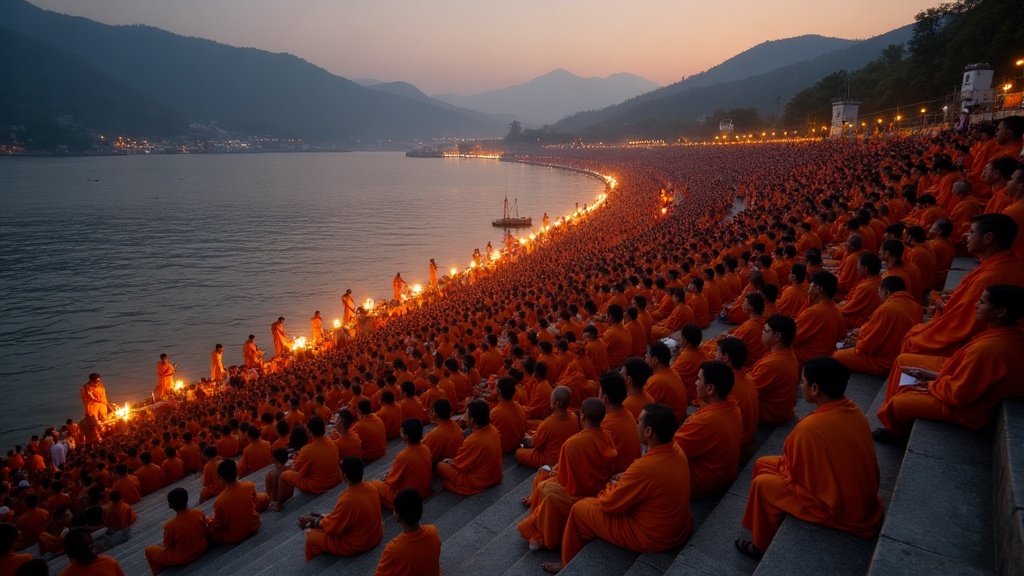
The International Yoga Festival (March) remains the single best entry point. You're surrounded by 1,500+ other participants, most of them beginners, rotating through 75+ daily classes. The sheer volume means you can try Hatha one hour, kirtan the next, Ayurvedic consultations in the afternoon, and Ganga Aarti at sunset—without committing to any single practice before you know what resonates. The crowd provides cover for your inexperience.
Weekend Introduction to Yoga and Meditation works if you have limited time and want structure without overwhelm. You'll get Hatha basics, breathing instruction, guided meditation, and the essential ashram rhythms—morning aarti, yoga, meals, evening ceremony. Two days is enough to know whether you want to return for more.
The 5-Day Yoga Retreat hits the sweet spot for most beginners. Day one you're awkward; day two you're exhausted; day three something shifts. By day five you've internalized the rhythm and glimpsed what a sustained practice might offer. You'll cover Hatha fundamentals, pranayama (breathwork), basic Vedanta philosophy, karma yoga (usually garden work or kitchen service), and nightly kirtan. Long enough to matter, short enough that your regular life won't implode.
Ayurveda Immersion Programs (7 days) suit beginners who respond better to body-based learning than spiritual abstraction. You'll receive a constitution assessment, learn foundational Ayurvedic principles, practice gentle yoga, and leave with concrete protocols for food, sleep, and daily routine. It's practical mysticism.
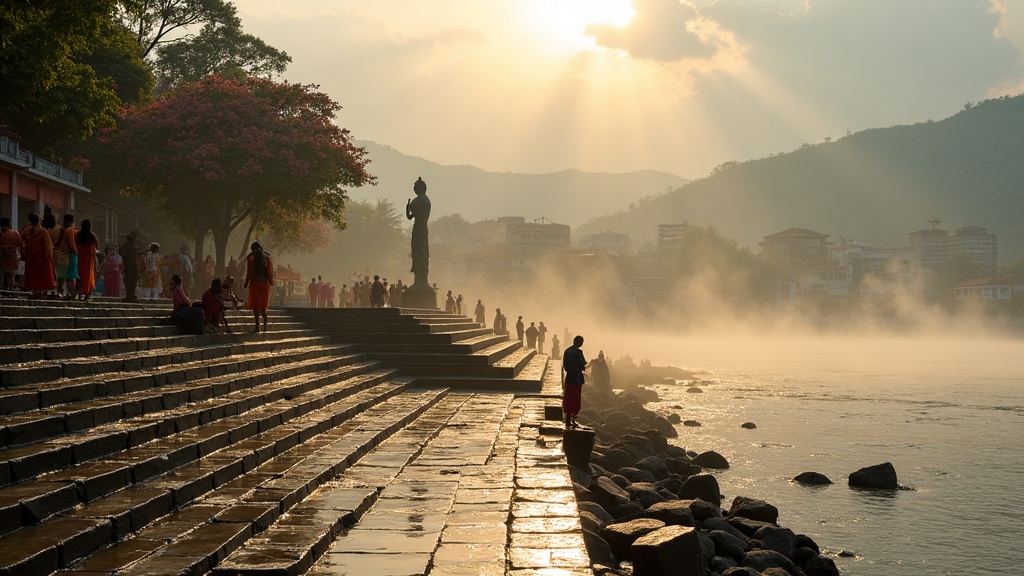
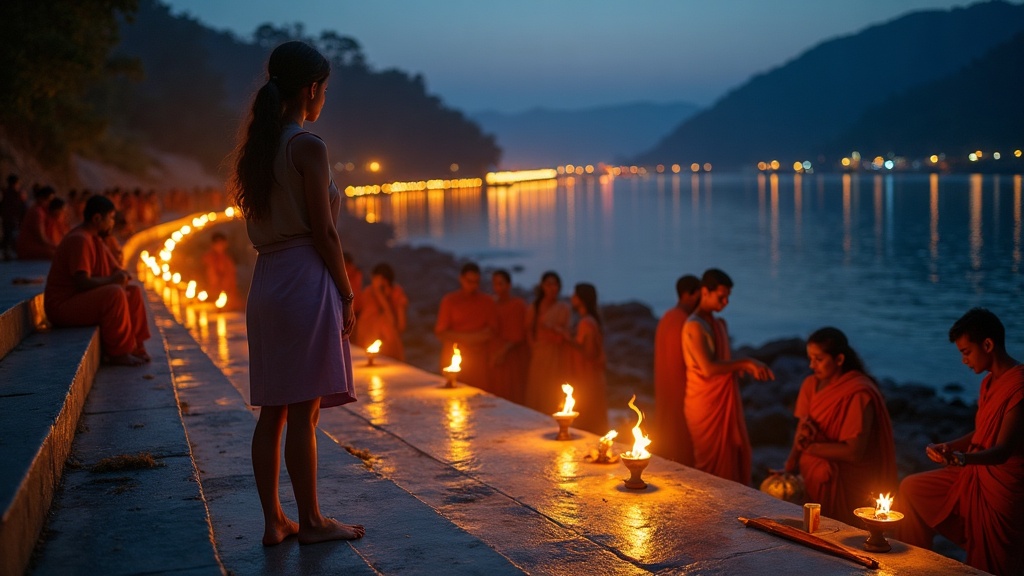
Morning Aarti and Drop-In Classes work if you're already in Rishikesh and want to test the ashram before committing. Show up at 5:30 a.m. for the Ganga Aarti, stay for the 6 a.m. yoga class, eat breakfast in the canteen. You'll know within three days whether Parmarth feels right.
What "Level" Actually Means Here
Parmarth doesn't gate-keep by athletic ability. "Beginner" means you're new to the spiritual framework, not that you can't do a headstand. You'll see 70-year-olds with limited mobility in the same class as former athletes. Teachers adjust. You take the modification. No one's watching—they're focused on their own mat, their own breath, their own struggle with monkey mind during meditation.
"Advanced" at Parmarth means you're ready for extended silence, intensive pranayama, or deep Vedanta study—not that you've mastered advanced asanas.
Programs to Skip as a First-Timer
Silent Vipassana Retreats require ten days of total silence and 10+ hours of daily meditation. Without prior retreat experience, you're likely to break early or spend the entire time in psychological crisis. Build up to silence.
Intensive Pranayama Programs that focus on advanced breathing techniques (kapalabhati, bhastrika, nadi shodhana variations) without sufficient preparation can cause dizziness, anxiety, or respiratory distress in beginners. Master basic breath awareness first.
Extended Vedanta Philosophy Intensives assume familiarity with Hindu cosmology and Sanskrit terminology. You'll spend more energy translating concepts than absorbing them. Start with philosophy woven into practice, not isolated as academic study.
Weekend vs. Five Days vs. Full Week
Choose the weekend if you're testing whether ashram life suits your temperament at all, or if it's genuinely all the time you have.
Choose five days if you're serious about beginning a practice but have work constraints. It's the minimum duration for real internal shift.
Choose the full week if you want the five-day benefits plus integration time. Days six and seven are when you stop white-knuckling the schedule and start inhabiting it naturally.
When You're Ready for More
You're ready for advanced programs when you miss the structure after you leave—when your home practice feels insufficient and you're hungry for deeper teaching rather than dreading discipline. When the 4 a.m. bell becomes welcome instead of punishing. When you stop comparing yourself to others on their mats. When you realize you haven't thought about your inbox in three days and don't feel guilty about it.
That readiness rarely arrives during your first retreat. Let it come when it comes.