Best Programs at Mii amo for Beginners

Best Programs at Mii amo for Beginners
The fear is always the same: that you'll show up to your first retreat and everyone else will be floating in lotus position while you're still figuring out which end of the yoga mat faces forward. You imagine rooms full of people who've been "on their journey" for decades, speaking fluently in chakras and auras while you're just hoping to sleep better and feel less scattered.
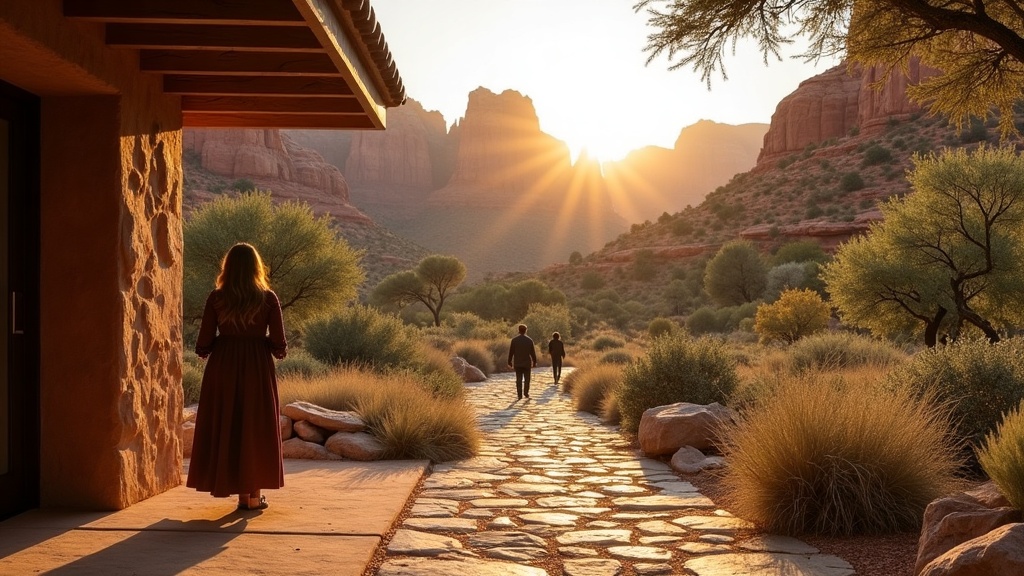
Here's what actually happens at Mii amo: you arrive, and within the first hour, you realize that half the guests are also first-timers, and the other half remembers exactly what it felt like to be new. The staff has seen every flavor of nervousness and builds the entire experience around meeting people where they are. The property's intimate scale—just 23 casitas—means you're never lost in a crowd of 200 wellness warriors. You're in Boynton Canyon with two dozen other people trying to figure out their own path.
The only warranted anxiety? That you'll book something too woo-woo too fast and spend three days in a Native American ceremony when what you actually needed was a good massage and permission to take a nap.
The Programs That Work for First-Timers
Hatha Yoga is the entry point for a reason. It's the most physical, the most straightforward, and requires zero prior knowledge of energy meridians or Sanskrit terminology. You'll move your body, focus on breath, and leave feeling accomplished rather than mystified. If you've never done yoga at all, tell the instructor before class. They'll position you near them and offer modifications throughout.
Guided Meditation sessions give you structure without asking you to suddenly become someone who can sit still for 40 minutes. Mii amo's meditation offerings usually run 20-30 minutes with clear verbal guidance throughout. You'll learn basic techniques—body scans, breath awareness, visualization—that you can actually use when you're back home and your inbox is exploding.
Sound Healing might seem esoteric on the schedule, but it's remarkably beginner-friendly. You lie down, close your eyes, and let crystal bowls or gongs do their work. There's no technique to master, no pose to hold. If it does nothing for you, you've had a relaxing nap. If it resonates, you've discovered something new.
Mindfulness walks in Boynton Canyon combine light physical activity with guided attention practices. You're outside, moving at a gentle pace, learning to notice the red rocks and cottonwoods rather than the mental grocery list. It's meditation for people who can't sit still.
Avoid booking intensive Energy Work sessions or multi-hour Native American Healing Ceremonies your first time out. These require context and comfort with unfamiliar spiritual frameworks. If you're not sure what "clearing stuck energy" means or feel skeptical about ceremonial practice, wait. You can always add them on a return visit once you understand your own receptivity.
What "Level" Actually Means Here
Mii amo doesn't use "beginner" or "advanced" labels on most offerings because they're building experiences around personal discovery, not skill acquisition. When they do note a level—usually for yoga classes—it refers to physical ability and pace, not spiritual sophistication. A "gentle" class moves slowly with lots of modifications. An "all levels" class means the instructor will offer variations. "Advanced" usually just means faster movement and less explanation of basic poses.
For everything else, level is self-determined. Your first sound healing session can be as profound as someone's twentieth. The work is internal.
Choosing Your Length
A weekend (three nights) gives you enough time to decompress and try four or five experiences without feeling rushed. If you're testing whether retreat culture is your thing, this is the right entry. You'll cycle through initial anxiety, tentative exploration, and—if it's working—a sense of settling.
Five days is the sweet spot for first-timers who know they need a reset but aren't sure yet what kind. You have time to experiment: try a yoga class, sit in meditation, book a bodywork session, take a ceremony if you're curious. You're not scrambling to fit everything in, and you're not so immersed that you lose perspective.
A week works if you're arriving depleted or in transition. You need those first three days just to stop checking your phone reflexively. The actual transformation starts around day four.
When You're Ready for More
You'll know you're ready to go deeper when you finish a session and immediately want to understand the theory behind it. When you stop asking "did I do that right?" and start asking "what's happening in my body when this occurs?" When you book your next visit before you've left the property. When you request a specific practitioner by name. When ceremony sounds interesting instead of intimidating.
That's when you're no longer a beginner. That's when you've found your own path through Boynton Canyon, and you're ready to walk it further.