The History of Feathered Pipe Ranch
The History of Feathered Pipe Ranch
Early Beginnings in Montana's Backcountry
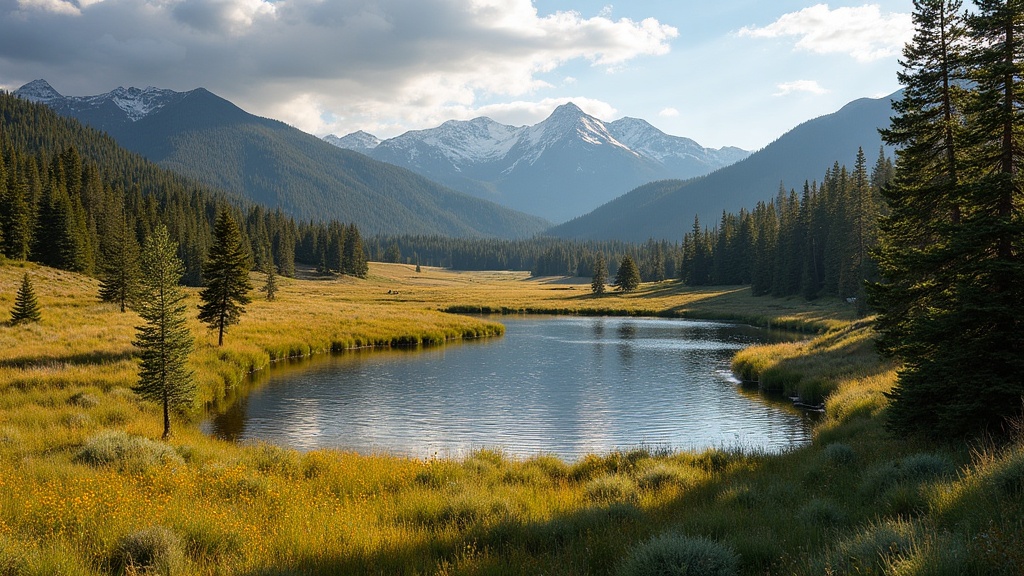
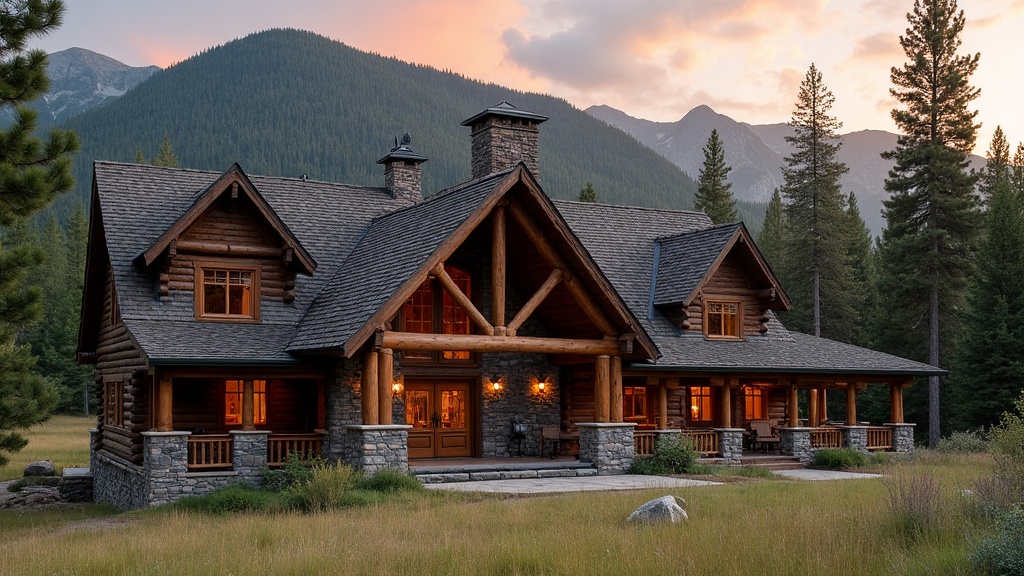
Feathered Pipe Ranch emerged in 1975 in the mountains northwest of Helena, Montana, when the notion of a dedicated yoga retreat center in the American West was virtually unheard of. Founded by India Supera, the ranch occupied a remote glacial valley along Bear Creek at seventy-five hundred feet elevation, twenty miles from the nearest town. At the time, few Montanans had encountered yoga, much less considered it worthy of a purpose-built facility in the wilderness.
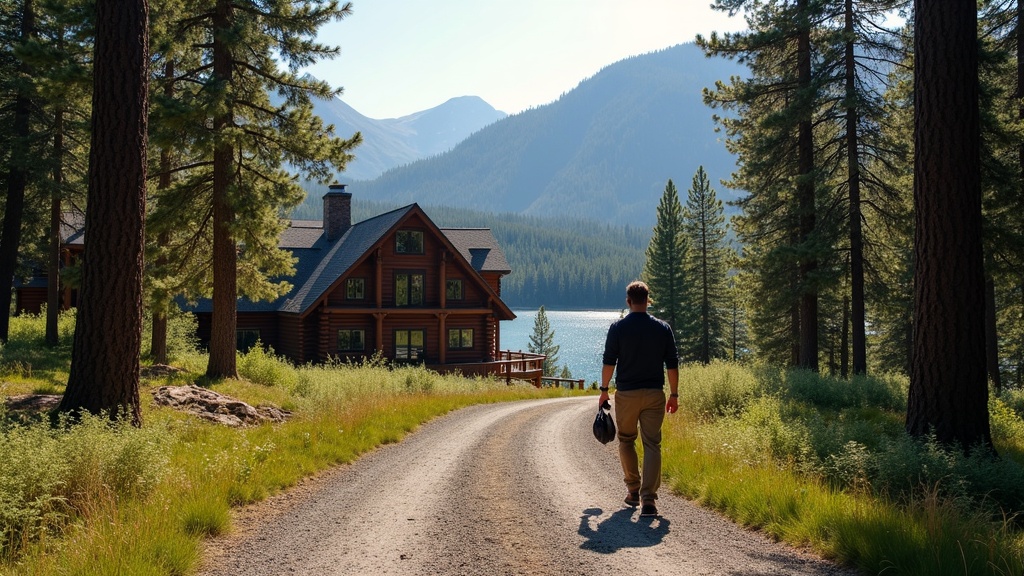
The location itself shaped the center's character from the beginning. With no cell service, simple log construction, and a spring-fed lake cold enough to shock even in midsummer, Feathered Pipe offered something increasingly rare: enforced disconnection. The property's isolation wasn't a marketing strategy but a geographical fact, one that would become central to its identity as the outside world grew louder and more connected.
Building a Practice Ground
Supera established a straightforward operational rhythm that has remained largely unchanged for nearly five decades. The ranch operates seasonally from May through September, hosting week-long programs with rotating teachers and traditions. Morning practice begins at seven, afternoon sessions follow lunch, and evenings remain unstructured time for students to use the lake, sweat lodge, or simply sit with the ponderosa pines.
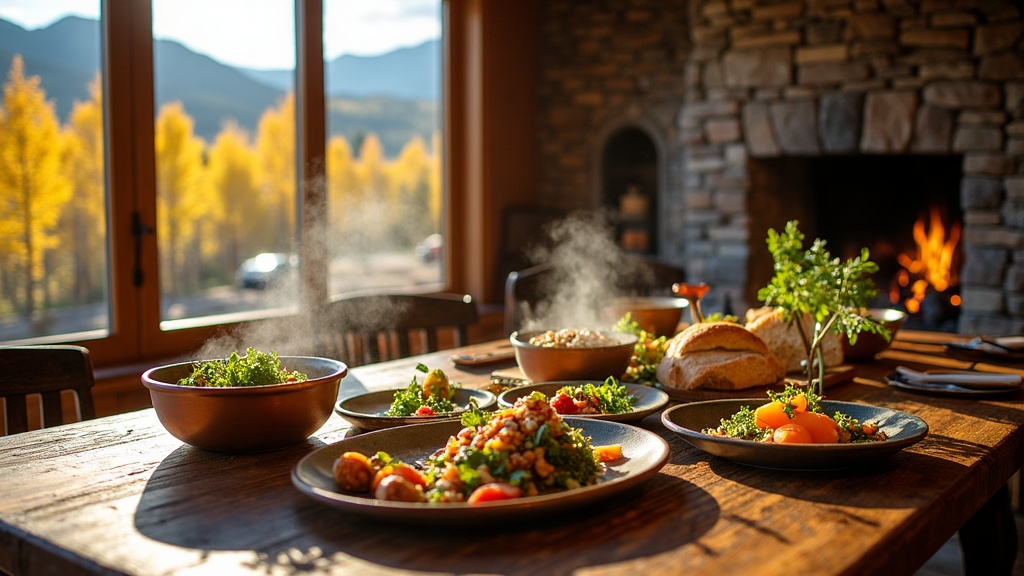
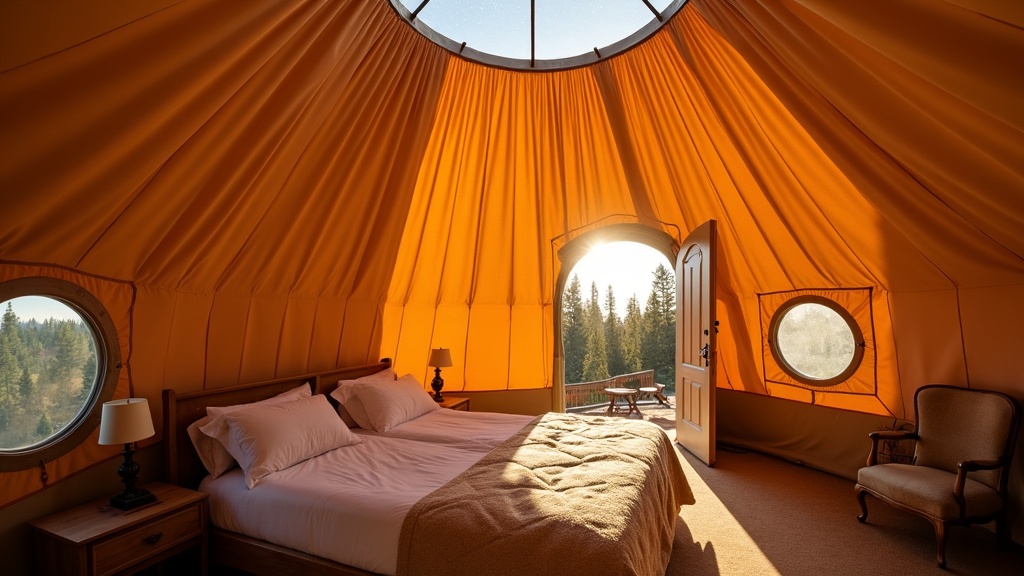
The physical infrastructure stayed deliberately modest: shared bathhouses, Pendleton blankets on beds, communal dining in the main lodge. This wasn't rustic aestheticism but practical simplicity, keeping the focus on practice rather than accommodation. Breakfast might be steel-cut oats with local honey and strong coffee—fuel, not experience.
Expanding the Circle of Teachers
As the American yoga landscape matured through the 1980s and 1990s, Feathered Pipe became a rotating home for multiple lineages and approaches. The ranch never aligned itself with a single tradition or guru, instead offering its infrastructure to different teachers each week. Rodney Yee taught here, as did Seane Corn and Erich Schiffmann. One week might focus on Iyengar alignment principles, the next on Bhakti flow and kirtan, another on qigong or wilderness immersion practices.
This eclectic programming model allowed the ranch to weather the sectarian conflicts and guru scandals that periodically shook American yoga communities. By remaining non-denominational and teacher-neutral, Feathered Pipe provided a venue rather than a doctrine, a practice ground rather than a philosophical home.
The Long Return
Perhaps the most distinctive aspect of Feathered Pipe's evolution has been its remarkable student retention. People return for twenty years or more, often struggling to articulate precisely why. The ranch doesn't offer luxury amenities, isn't convenient to reach, and demands engagement with shared living spaces and cold lake plunges. Yet something in the combination of altitude, isolation, simple routine, and rotating teachings creates conditions for sustained engagement that flashier venues rarely match.
This loyalty suggests that Supera's original vision—or perhaps intuition—about what Western practitioners actually needed has proven durable. The ranch never chased trends, never added hot tubs or private rooms, never expanded beyond its seasonal capacity. It simply continued offering the same basic proposition: come to the mountains, practice intensively for a week, share space with strangers, leave your phone behind.
Where It Sits Today
Feathered Pipe Ranch remains operational nearly fifty years after its founding, still tucked into its glacial valley, still simple in its accommodations, still rotating teachers through summer sessions. In an era when "wellness retreats" often mean spa services and Instagram opportunities, the ranch maintains its original character—bare bones, high altitude, communally oriented.
The yoga world has transformed dramatically since 1975, professionalizing and commercializing in ways that would have seemed impossible in the ranch's early years. Through these changes, Feathered Pipe has functioned less as an innovator than as a constant, a place where the basic architecture of practice—show up, breathe, move, repeat—remains unchanged by whatever trends currently dominate studio culture in coastal cities. That persistence, more than any particular teaching or technique, may be its most significant contribution to American yoga.