Your First Visit to Ekam: What to Expect
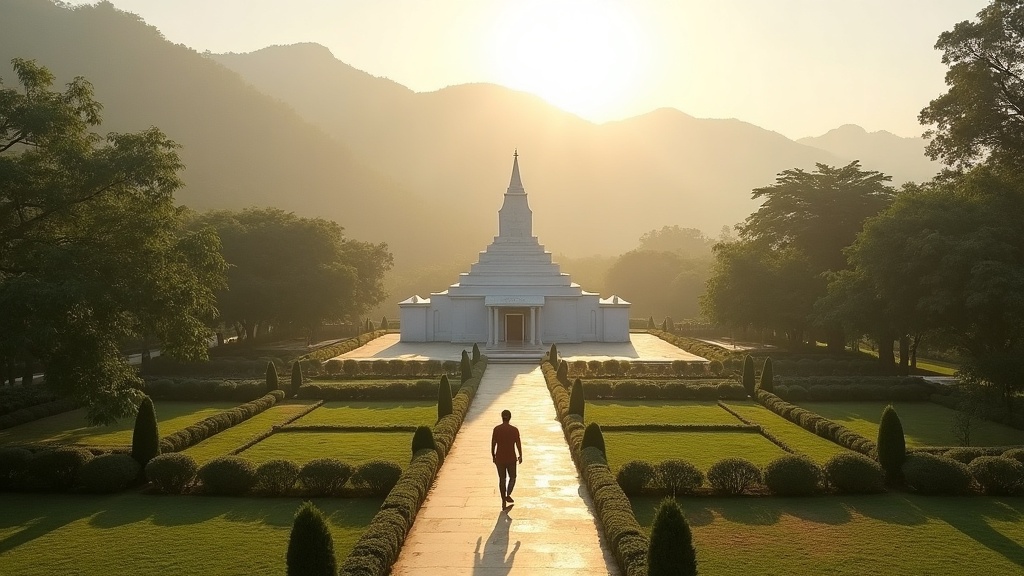
Arriving at Ekam
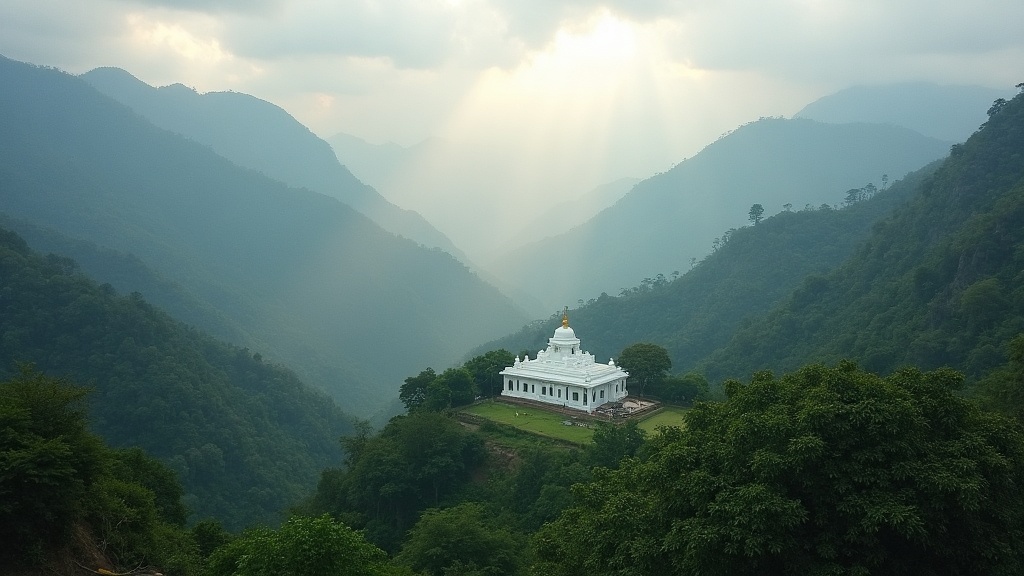
Your taxi will likely wind through rural Andhra Pradesh for the last stretch before turning onto Ekam's campus in Varadaiahpalem, about two hours north of Chennai. The landscape shifts from roadside commerce to red earth and open sky. You'll know you're close when the white marble structures come into view against the hills.
Check-in is surprisingly efficient given the scale of the place. You'll be asked to surrender your phone and any electronic devices—this isn't a suggestion, and yes, it feels strange at first. They'll be stored safely and returned when you leave. Registration staff are accustomed to first-timers looking slightly disoriented; they'll guide you through paperwork, give you a room assignment, and orient you to where things are. The eight-thousand-person meditation hall is hard to miss, but the dining areas and your specific accommodation block might take a day to navigate confidently.
Most retreat schedules are given to you at check-in. Read it carefully that first afternoon. The rhythm here is structured but not rigid, and knowing what's expected helps you settle in rather than spending energy figuring out logistics.
The Daily Rhythm
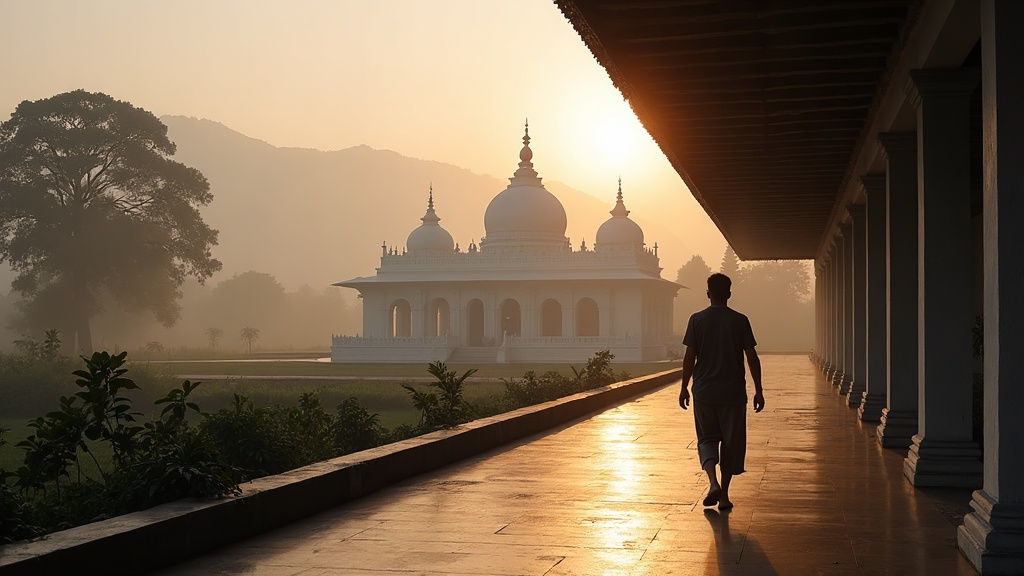
Mornings begin early—often before dawn. You'll hear others stirring around 5:00 or 5:30 AM, and the first meditation session typically starts by 6:00. There's something particular about walking through the gardens to the temple in that pre-dawn darkness, barefoot on cool stone, the air still and scented with night-blooming jasmine. The meditation hall fills quietly. Sometimes a monk guides the session; other times the room simply breathes together in silence. These aren't guided visualizations in the Western sense—the teaching style here assumes you're capable of sitting with direct experience.
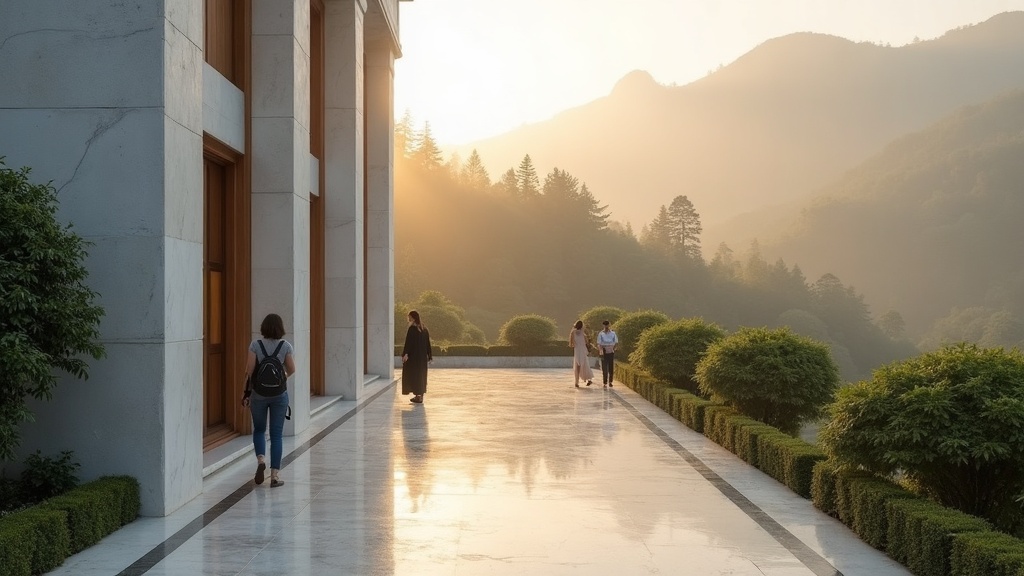
Breakfast follows morning meditation, usually around 8:30. Then there's typically a teaching session or discourse, which might run until late morning. The middle of the day opens up. This is when you'll find people walking the grounds, sitting in the gardens, or resting in their rooms. The Deccan sun is strong, and the property's pace acknowledges this. Peacocks wander through, occasionally startling in bursts of color and sound.
Afternoon sessions might include more meditation, question-and-answer formats, or practices specific to your retreat program. Dinner is early, around 6:00 or 6:30, and evening activities vary—sometimes group processes, sometimes silent meditation, occasionally cultural programs. You're usually back in your room by 9:00, and the whole campus grows quiet quickly after that.
Accommodations and Atmosphere
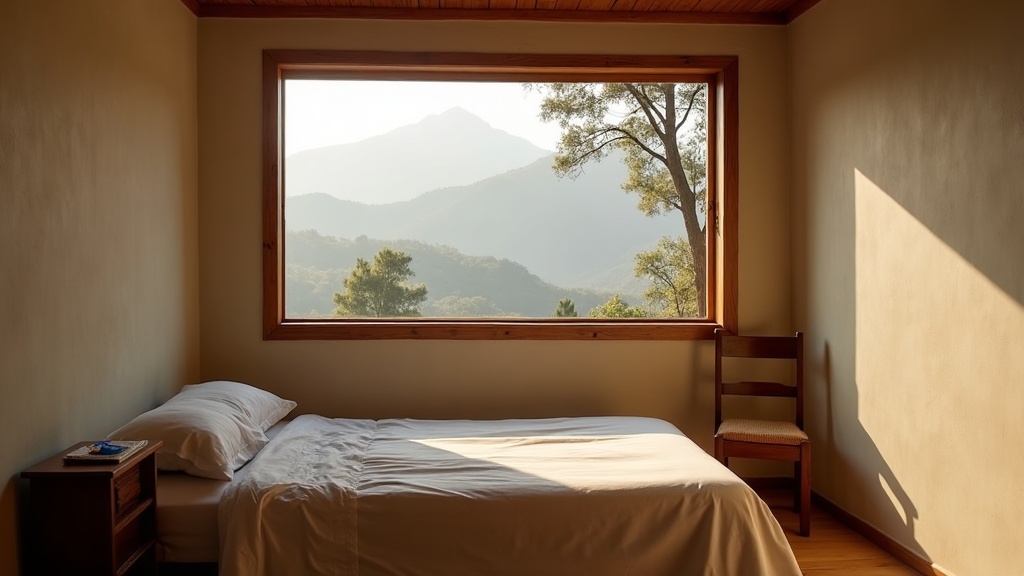
Rooms are simple and clean—think ashram-functional rather than spa-luxurious. You'll likely have a bed, minimal furniture, an attached bathroom with basic amenities. Air conditioning exists but isn't always reliable; bring layers and be prepared for warmth. The aesthetic is spare: white walls, tile floors, practical fixtures. If you're accustomed to boutique retreat centers with artisanal soaps and plush robes, adjust your expectations. The investment here went into the meditation hall's architecture, not the lodging.
That said, everything is maintained well. Linens are clean, bathrooms work, and the simplicity is actually freeing once you stop comparing it to other venues. Your room is for sleeping and little else—you won't spend much time there.
Food
Meals are vegetarian, South Indian-influenced, and served buffet-style to accommodate the number of participants. Expect rice, dals, vegetable curries, chapati, curd, and fresh fruit. The food is wholesome and plentiful but not fancy. If you have dietary restrictions beyond vegetarianism, communicate them during registration—the kitchen can often accommodate, but they need advance notice.
Meal times are part of the practice. Some retreats maintain silence during dining; others allow quiet conversation. Either way, eating becomes slower, more deliberate. The dining hall hums with a particular quality of attention.
What to Pack
Bring: Comfortable, modest clothing suitable for temple environments—covered shoulders and knees. White or light colors are encouraged for certain ceremonies. A shawl or light blanket for meditation. Any medications you need. Sunscreen and a hat for walking the grounds. A water bottle. A small notebook if you journal, since you won't have devices.
Don't bring: Your expectations about phone access. Revealing or overly casual clothing. Expensive jewelry. Rigid plans about how enlightenment should unfold.
Etiquette and Protocols
Silence isn't constant outside of specific silence retreats, but a culture of quiet prevails. Conversations happen in low voices. Noble silence—refraining from small talk but speaking when meaningful—is practiced. You'll remove shoes before entering the temple and meditation spaces; rows of sandals outside doorways become familiar landmarks.
If you need to leave a session early, you can, but do so with awareness. The collective field of meditation is real here—late arrivals and early exits ripple through it. That said, honoring your body's needs matters more than perfect compliance.
What Actually Surprises People
The intensity surprises first-timers. This isn't a spa retreat with meditation as an amenity—the focus on awakening is direct and sometimes confronting. People have profound experiences here and also difficult ones. The teaching style assumes you're ready for both.
The beauty of the main temple catches everyone off-guard. Eight thousand people under that dome of white marble and geometry—photos don't convey it.
The cultural context matters. This is an Indian spiritual environment, and if you're coming from the West, there are layers you won't immediately understand. That's okay. Stay curious rather than comparative.
And finally: the silence of your own mind becomes very loud without your phone. That's rather the point, but it's worth knowing in advance. The first day feels long. By day three, you've dropped into a different sense of time entirely.