Best Programs at Anamaya Resort for Beginners

Best Programs at Anamaya Resort for Beginners
The Fear Is Real, But Your Imagination Is Worse
You're worried you'll be the only inflexible person in a room full of pretzel-limbed yoga teachers, or that everyone else will know the secret handshake while you fumble through breathwork like you're learning to swim. Here's what actually happens: you arrive at Anamaya and discover half the retreat is made up of people who also Googled "do I need to be flexible for yoga" at 2 AM before booking.
The fear is misplaced in one critical way—nobody at a wellness retreat is watching you. They're too busy managing their own hamstrings and trying to remember if they're supposed to breathe in or out during cat pose.
The fear is warranted only if you book something wildly mismatched to your entry point. A biohacking intensive when you've never meditated? A week-long Iyengar immersion when you think Warrior II is a video game? That's when beginners struggle, not because they lack ability, but because they've chosen a program three levels above their vocabulary.
The Programs That Won't Eat You Alive
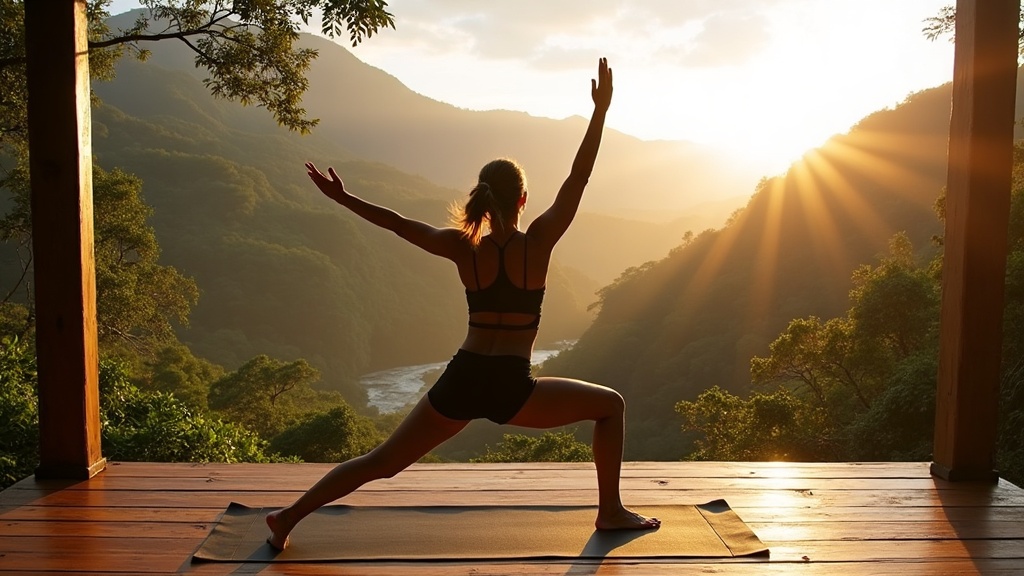
Hatha Yoga Retreats are your safest bet. Hatha is the foundation—poses held longer, instruction that assumes nothing, and a pace that lets you figure out where your body is in space before you're asked to move it. At Anamaya, the clifftop shalas mean you'll spend less time worrying about whether you're doing it right and more time staring at howler monkeys in the canopy.
Restorative Yoga and Yin combinations work beautifully for first-timers who are escaping burnout rather than seeking athletic achievement. These programs involve long-held, supported poses. You're not trying to build strength; you're letting fascia release while gravity does the work. If your retreat fantasy involves permission to lie down for 45 minutes, this is it.
Mindfulness Meditation programs that include gentle movement are ideal if you're intellectually curious but physically uncertain. These typically combine seated meditation, walking meditation, and light yoga or stretching. You're learning to be present, which is hard, but you're not simultaneously learning 47 Sanskrit terms.
Sound Healing retreats give beginners a beautiful backdoor into the retreat experience. You show up, lie down, and let crystal bowls and gongs reorganize your nervous system. The only skill required is the ability to be horizontal and receptive.
Holistic Wellness weekends that sample multiple traditions—a Vinyasa class here, breathwork there, some meditation, maybe a waterfall hike—let you test-drive everything without committing to a single discipline you might hate.
What "Level" Actually Means Here
At Anamaya, "beginner" doesn't mean "easy." It means "we'll explain things." An intermediate Vinyasa class assumes you know what Chaturanga is and won't face-plant. A beginner class assumes you don't and will.
"Level" describes familiarity with vocabulary and sequencing, not fitness. You can be a marathon runner and still need a beginner yoga program because you've never done a Sun Salutation. Conversely, you might be generally sedentary but have done enough YouTube yoga to walk into an intermediate class without panic.
The resort's two shalas allow simultaneous programming at different levels. If you book a mixed-level retreat, you can usually choose your intensity each session.
Programs to Skip Your First Time
Iyengar Yoga intensives are magnificent, but they're technical and exacting. Iyengar practitioners care deeply about precise alignment, often using props extensively. First retreats should be forgiving, not geometry class.
Advanced Vinyasa or "Power" programs that promise arm balances and inversions will frustrate you unless you already have a regular practice. You'll spend the week watching other people fly while you try not to collapse.
Biohacking retreats that involve fasting protocols, cold plunges, and supplement stacks require you to already know your baseline. Introducing intense physical stressors while jet-lagged in the jungle is advanced-level chaos.
Weekend, Five Days, or Full Week?
A weekend works if you're testing commitment or can't take more time off. You'll get the setting and a taste of practice, but not the transformation. Expect relaxation, not rewiring.
Five days is the sweet spot for beginners. Long enough that you stop performing and start actually experiencing. Your nervous system downregulates by day three, and you have two days to enjoy it before you leave.
A full week is worth it only if you're genuinely curious and able to surrender the itinerary. By day five, most beginners are restless or completely dissolved into mush. If you don't know which you'll be, start shorter.
When You're Ready for More
You'll know you're ready for an advanced offering when you catch yourself wanting more detail, not less. When the teacher explains an adjustment and you think, "Yes, but why?" instead of "Please stop talking and let me rest." When you finish a session and feel curious rather than depleted. When you start researching specific teachers instead of browsing "beginner yoga retreat Costa Rica."
That's the signal. Until then, choose programs that feel 20% too easy. You're not here to prove anything. You're here to begin.