BrightStar

Parcourir tous les Events

Discover conscious gatherings

events

Yoga
Meditation
Breathwork
Qigong
Tai Chi
Sacred Music
World Music
Medicine Music
Sound Healing
Ecstatic Dance
Destinations populaires
BaliSedonaLos AngelesCosta RicaNew YorkSan FranciscoAustinMiamiJoshua TreeTulum
Voir toutes les catégoriesVoir toutes les destinations

Explorer toutes les fonctionnalités

Des outils puissants pour développer vos événements

Fonctionnalités de la plateforme

Tarification dynamique intelligente
Catégories de billets
Places assignées
Récupération des paniers abandonnés
Récupération des visiteurs
Dons & Prix variables
Système d'affiliation
Scanner de billets
Codes promo
Questions personnalisées
Partage de billets
Ventes additionnelles & Options
Analyses & Rapports
Séquences d'emails
Liste d'attente / Notifier / Rappeler
Personnes & Lieux
Artists & TeachersEvent OrganizersVenues & StudiosKnowledge BaseGlossaryInspiration
Voir toutes les fonctionnalitésÀ propos
TarifsBlog
Parcourir tous les événements

events

YogaMeditationBreathworkQigongTai ChiSacred MusicWorld MusicMedicine Music

Destinations populaires

BaliSedonaLos AngelesCosta RicaNew YorkSan Francisco

Personnes & Lieux

Artists & TeachersEvent OrganizersVenues & StudiosKnowledge BaseGlossaryInspiration

Fonctionnalités de la plateforme

Tarification dynamique intelligenteCatégories de billetsPlaces assignéesRécupération des paniers abandonnésRécupération des visiteursDons & Prix variablesSystème d'affiliationScanner de billetsCodes promoQuestions personnaliséesPartage de billetsVentes additionnelles & OptionsAnalyses & RapportsSéquences d'emailsListe d'attente / Notifier / Rappeler
Voir toutes les fonctionnalitésÀ propos
TarifsBlog
ConnexionChercheursCréateurs
Tibetan BuddhistOm Mani Padme Hum · Om Mani Padme Hum · Om Mani Padme Hum · Om Mani Padme Hum · Om Mani Padme Hum ·
  • Parcourir tous les Events
  • Pour les chercheurs
  • Yoga
  • Meditation
  • Breathwork
  • Qigong
  • Tai Chi
  • Sacred Music
  • Retraites
  • Ateliers
  • Toutes les catégories →
  • Bali
  • Sedona
  • Los Angeles
  • Costa Rica
  • Tulum
  • Byron Bay
  • San Francisco
  • Austin
  • Toutes les villes →
  • Pour les créateurs
  • Pour les écrivains
  • Pour les enseignants
  • Pour les artistes de kirtan
  • Pour les studios
  • Pour les festivals
  • Pour les centres de retraite
  • Pour les associations
  • Ambassadeur de marque
  • Études de cas
  • Réseau de 350K+ acheteurs
  • Récupération des paniers abandonnés
  • Tarification dynamique intelligente
  • Catégories de billets
  • Événements récurrents
  • Places assignées
  • Système d'affiliation
  • Liste d'attente / Notifier
  • Scanner de billets
  • Widget intégrable
  • Toutes les fonctionnalités →
  • À propos
  • The Ecosystem
  • Blog
  • Glossaire
  • Inspiration
  • Centre d'aide
  • Contact
  • Documentation API
  • Ressources de marque
  • Carrières
  • Presse
  • Conditions d'utilisation
  • Politique de confidentialité

Events

  • Parcourir tous les Events
  • Pour les chercheurs
  • Yoga
  • Meditation
  • Breathwork
  • Qigong
  • Tai Chi
  • Sacred Music
  • Retraites
  • Ateliers
  • Toutes les catégories →

Destinations

  • Bali
  • Sedona
  • Los Angeles
  • Costa Rica
  • Tulum
  • Byron Bay
  • San Francisco
  • Austin
  • Toutes les villes →

Pour les créateurs

  • Pour les créateurs
  • Pour les écrivains
  • Pour les enseignants
  • Pour les artistes de kirtan
  • Pour les studios
  • Pour les festivals
  • Pour les centres de retraite
  • Pour les associations
  • Ambassadeur de marque
  • Études de cas

Fonctionnalités

  • Réseau de 350K+ acheteurs
  • Récupération des paniers abandonnés
  • Tarification dynamique intelligente
  • Catégories de billets
  • Événements récurrents
  • Places assignées
  • Système d'affiliation
  • Liste d'attente / Notifier
  • Scanner de billets
  • Widget intégrable
  • Toutes les fonctionnalités →

Entreprise

  • À propos
  • The Ecosystem
  • Blog
  • Glossaire
  • Inspiration
  • Centre d'aide
  • Contact
  • Documentation API
  • Ressources de marque
  • Carrières
  • Presse
  • Conditions d'utilisation
  • Politique de confidentialité
BrightStar
© 2026 BrightStar. Tous droits réservés.
Inspire

Savage Daughter: ReclaimingVoice and Wildness

Sabrina Jordan
Sabrina Jordan
Oct 17, 2024
5 min read
Watch · 3
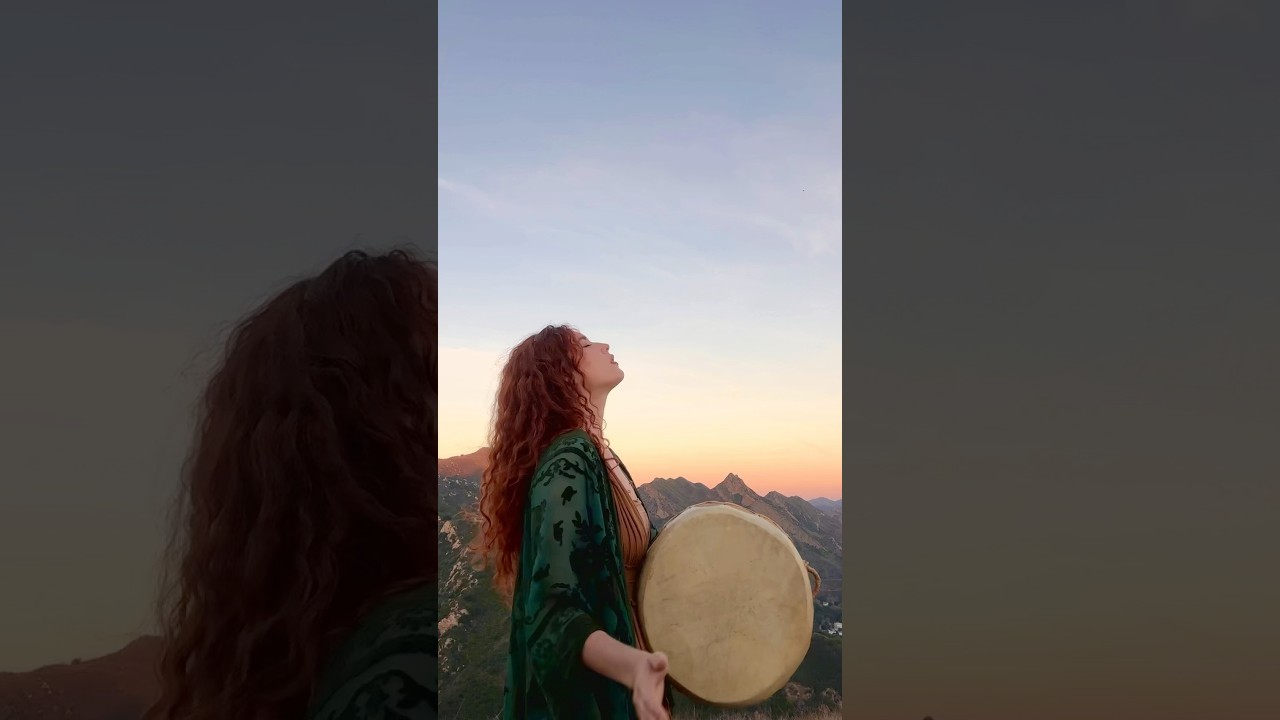
TLDR: In a 23-second acapella chant with hand drum, Sabrina Jordan names the "savage daughter"—the inherited lineage of feminine wildness, barefoot rebellion, and vocal refusal. The piece is a personal and collective invocation: "I will not cut my hair / I will not lower my voice." It operates as both a spiritual affirmation and a protest against the conditioning that teaches women to make themselves smaller, quieter, and more palatable.

Read · 6 sections

What Does "Savage Daughter" Mean as a Spiritual Concept?

The term "savage daughter" in Jordan's chant is not an insult reclaimed—it is an identity claimed whole. The opening line, "I am my mother savage daughter," establishes a lineage. This is not a solo rebellion; it is inherited. The speaker is the continuation of a maternal line of wildness, of women who did not fit neatly into the roles prescribed for them. The word "savage" here carries no shame. Instead, it names what has been stripped from women through socialization: untamed presence, unfiltered expression, the body moving through the world without apology.

The imagery that follows grounds this abstraction. "The one who runs Barefoot cursing sharp Stones"—this is embodied defiance. Barefoot running is vulnerability, exposure, refusing the protective armor. But it is also speed, freedom, and the refusal to wait for shoes. Cursing sharp stones is not victimhood; it is the act of naming pain and anger without swallowing either one. The "savage daughter" does not endure; she speaks to what wounds her.

How Does Vocal Refusal Function as Spiritual Practice?

The final affirmations—"I will not cut my hair / I will not lower my voice"—are declarations of bodily autonomy and acoustic presence. Hair, in many spiritual traditions, is a conductor of energy and a visible marker of wholeness. Long hair is associated with vitality, power, and a refusal of imposed conformity. In Hindu and Sikh traditions, unshorn hair is sacred. In feminist reclamation, uncut hair becomes an act of resistance against institutional control.

The voice command—"I will not lower my voice"—speaks directly to a specific conditioning imposed on women: the instruction to be quiet, to soften, to make room for louder voices. Lowering one's voice is not just acoustic; it is psychological. It is the internalization of the message that your words matter less, your presence takes up too much space, your anger is unseemly. Jordan's hand drum and her sung refusal crack that conditioning open. The voice becomes a location of power, not a problem to be managed.

What Is the Role of Hand Drum and Acapella in This Chant?

The hand drum—often an instrument of indigenous, African, and diaspora traditions—is not ornamentation. It is the heartbeat, the body, the percussive grounding that makes the voice matter. The drum gives the voice a container and a witness. It is also a tool that does not require institutional permission; a hand drum can be played anywhere, by anyone. In this context, it is the instrument of the person who refuses to diminish.

The acapella form—voice and drum, nothing else—is radical in its spareness. There is no production, no mediation, no professional apparatus between speaker and listener. This is person-to-person transmission. The brevity of the piece (23 seconds) also matters. It is short enough to be a mantra, to be repeated, to lodge in the body. It is not a narrative that unfolds; it is an invocation that lands.

Who Is This Chant For?

While the piece is sung in first person—"I am my mother savage daughter"—it functions as a collective utterance. Anyone who has been taught to shrink, silence, or civilize themselves can step into this "I." The maternal lineage invoked is not only biological; it is spiritual and cultural. It names the grandmothers, the ancestors, the women who were wild in defiance or in essence and who passed something down. For women specifically, but also for anyone who has been coded as "other" and thus dangerous in their wholeness, this chant is permission and witness.

The piece also speaks to the body as a site of spiritual practice. The savage daughter is not an abstraction; she has a body. She runs, she curses, she refuses to cut her hair. Spirituality here is not disembodied transcendence. It is the sanctification of the physical, the sensual, the loud, the uncontrolled.

How Does This Fit Into Broader Spiritual Activism?

Jordan's piece sits at the intersection of personal empowerment and collective healing. It names internalized oppression (the impulse to lower one's voice, to cut one's hair, to make oneself smaller) and refuses it in real time. The act of singing it is the act of undoing it. Each time someone sings "I will not lower my voice," they are literally raising their voice, making the refusal embodied and audible.

This approach is consistent with spiritual traditions that understand chant and mantra as transformative utterance. In Vedic and Hindu practice, mantra works through repetition and sound vibration. In African diaspora spirituality, the voice is a tool of power and prayer. Jordan's piece draws on these lineages while centering the specific spiritual need: the reclamation of feminine and feminine-coded wildness, the refusal of the conditioning that makes women safe by making them small.

Where to Go From Here

If this piece resonates, consider exploring other acapella and hand drum spiritual traditions—from African call-and-response to Hindu kirtan to feminist chant circles. Investigate your own relationship with your voice: where have you been taught to lower it? With hair, body autonomy, and vocalization: where are you being asked to diminish? The "savage daughter" is not an external figure to admire; she is a way of being available to yourself. Jordan's chant offers both permission and practice for reclaiming it.

]]>
Transcript

[0:00] [Music]

[0:01] I am my mother savage daughter the one

[0:06] who runs Barefoot cursing sharp Stones I

[0:11] am my mother savage daughter I will not

[0:15] cut my hair I will not lower my voice

Sabrina Jordan
AuthorSabrina Jordan

Watch more from Sabrina Jordan on YouTube.

View profileWebsite
Explore Topics
Feminine-powerVoice-autonomyHand-drumAcapella-chantEmbodied-spirituality

Got Questions?

Frequently Asked Questions

In Sabrina Jordan's chant, 'savage daughter' names inherited feminine wildness—the untamed presence and unfiltered expression passed down through maternal lineage. It is a reclamation of what socialization strips from women: the freedom to move, speak, and be without apology.
Voice is a location of power and presence. Lowering one's voice is often an internalized instruction to take up less space. In spiritual practice, using your full voice becomes an act of reclamation and refusal of the conditioning that makes women smaller and quieter.
Hand drums provide rhythmic grounding, a heartbeat for the voice. They root the practice in the body and require no institutional permission—they are tools of accessibility and direct, person-to-person transmission.
In many traditions, uncut hair is sacred and a conductor of energy. The refusal to cut one's hair is a spiritual practice of maintaining wholeness, vitality, and a visible refusal of imposed conformity and institutional control.
Yes. While the piece centers feminine reclamation, anyone who has been taught to shrink, silence, or diminish themselves can step into the 'I' of the chant. The wildness named is universal; the conditioning to suppress it crosses gender lines.
Repetition embeds the utterance in the body and mind. Each time you sing 'I will not lower my voice,' you are literally raising your voice and undoing internalized suppression. Mantra works through this repeated sound vibration and embodied practice.

Continue Reading

More on Inspire

View All
Celtic Folk Song Hazel Eyes: Scottish Imagery & Emotional Depth
Inspire

Celtic Folk Song Hazel Eyes: Scottish Imagery & Emotional Depth

A Celtic folk song weaving Scottish landscapes with intimate love imagery, using natural metaphors to express belonging and devotion.…

1 min read
Sideways Phone Audio: Full-Body Singing & Hand Drum Immersion
Inspire

Sideways Phone Audio: Full-Body Singing & Hand Drum Immersion

Sabrina Jordan demonstrates how rotating your phone horizontally transforms listening to acapella singing and hand drum performance into a s…

1 min read
A Cappella Singing as Spiritual Practice
Inspire

A Cappella Singing as Spiritual Practice

Sabrina Jordan performs a brief a cappella moment that captures the intimate beauty of unaccompanied vocal expression and presence.…

1 min read
Hazel Eyes: A Lyrical Journey Through Scottish Landscape and Love
Inspire

Hazel Eyes: A Lyrical Journey Through Scottish Landscape and Love

Sabrina Jordan's "Hazel Eyes" weaves Scottish geography and natural imagery into a meditation on love, belonging, and redemption through met…

1 min read

Keep exploring

Continue your journey

More wisdom and gatherings from across the BrightStar directory.

More Articles

Browse the full library of teachings, interviews, and guides.

Back to all articles →

Teachers & Artists

Explore the lineages, musicians, and guides of the conscious world.

Explore artists →

Find an Event

Kirtan, retreats, sound baths, breathwork, festivals — happening soon.

Browse events →
Read more from BrightStarCreate Free Account
Host your own gatherings?Try the Demo